
Listen on Apple Podcasts | Listen on Spotify | Watch on YouTube
Episode Summary
In this episode, hosts Michelle and Allison dive into the importance of franchise culture. They discuss how a strong culture can significantly impact franchisee satisfaction and business success. The episode highlights the top franchises known for their positive culture, emphasizing that culture is not just about corporate strategy but also about fostering supportive relationships among franchisees. They explore how culture influences franchisee experiences, retention, and overall business performance, providing insights for prospective franchise buyers on what to look for in a franchise system.
Resources
- Top Franchises for Culture 2026
- Listen: This is How We Ask Franchisees if They’re Happy
- Listen: Understanding the Franchise Disclosure Document
- Read: What You Need to Start a Franchise: Your Due Diligence Checklist
- Sector Reports: Definitive Guides to Franchise Industries
Transcript
Michelle (00:03)
All right, welcome back to our podcast from A to Franchisee. And today we are digging into the top franchises based on culture. And so I’ve asked Allison Dudas to come
From behind the scenes to in front of the mic, as she periodically does, to help us talk about these amazing brands. We want to celebrate them big. I think culture has become more important to people coming out of COVID, where people have reassessed the amount of time they spend doing the thing that brings them money to pay for their life. And so this is more important than ever as people kind of assess.
what their next opportunity is. So Alison, thanks for joining us today as we dig into our top 100 we just released this week.
Allison (00:42)
Yes, we’ve released
it Friday, May twenty second, and we’re excited to talk about it. Just get into the nitty-gritty of what this list means, how we get the data, and what brands you can expect to see on it.
Michelle (00:56)
Yeah. And I again I think this is gonna help people as they research franchise opportunities. So th should we start with what does franchise culture actually mean? Should we just kind of break that down for for people?
Allison (01:09)
Yeah, I definitely think we should. I think a lot of times when th people think about culture, they’re thinking about corporate culture. And that I think takes is something to take into account here. But when you’re thinking about the culture of a franchise system, you have to understand how the franchise model works to begin with. So you have the franchiseur, which is like the the corporate center who kind of oversees and draws together all the franchisees that own the individual territories or locations.
And that’s the culture that we’re talking about. Not the culture that you might create as a franchise owner at your particular location or territory, but the culture that exists within all of the franchisees and then between the franchisees and the franchiseor. So I wanted to just clarify that because the franchise system can seem kind of overwhelming. And so when we’re talking about culture in the system, that’s what we mean.
Michelle (02:01)
So I agree with most of what you said, but here’s the first thing that I will disagree with is if your franchise or doesn’t put an importance on having a strong culture or a productive and positive culture, I think that does trickle down into a franchisee’s organization as well. So, and and same with the other way too. If it’s a toxic culture, if it’s not a collaborative culture between franchisees and franchisors, I think your team at the franchisee level will feel it.
Allison (02:19)
That’s fair.
Michelle (02:31)
So I think starting with a brand, you know, you have thousands of franchise opportunities out there. Why not start with one that puts an importance on the way that they treat each other within their corporate office, the way they treat their franchisees, the way they foster that between their franchisees? So I agreed with most of what you said, but I do think it does influence, if not directly impact the culture that you see in your local franchises, store, community business when you’re a consumer, you feel it. You definitely feel it.
Allison (03:02)
Totally, totally fair.
Michelle (03:04)
Okay. Because you can disagree with me if you want.
Allison (03:07)
No, I think that’s really fair. It’s trickle down culture, you know? It’s trickle down. Trickle down. So
Michelle (03:10)
Yeah. Yeah. That’s right. We love that. ⁓
okay. Go ahead. You have questions for me? Where do we want to start?
Allison (03:17)
Yeah,
I think this is a good question that you you can field being in this industry, in this a area for longer. Why is franchise culture especially important for first time franchise ⁓ buyers?
Michelle (03:30)
Yeah, so I mean, I think one, if you’re a first-time business owner, let alone a first-time franchise buyer, I think being in business is really, really hard. So being part well, and and I’d also say is if you think about a franchise brand, culture is part of this brand that they put out there. So I think you can just think of it even from a consumer side. If you think about I I wanna give some examples like McDonald’s, I think you think of that as like a fast paced brand.
More on the value side. Like these are things that also lend to the culture of the organization. whereas like you’ll see other smaller brands, they’re just really focused on on what they put out to the universe because we are in a land of Google reviews and a world of the internet. So those stories get out there. So being intentional about the type of environment that you create for your people to be in can help you thrive or fail. So I think being a first-time business owner.
Allison (04:16)
Yes.
Michelle (04:29)
How great to see other business owners doing something that you can learn from that you could create that’s similar to them. So I think that’s why it’s even more especially important for a first-time franchise owner to be part of a system that fosters that type of culture where you can ask questions, where you want to learn, where people are helpful. Those all play a part, I think, in the culture of the organization. So that’s why I would think it’s even more important for first-time, you know, other business owners, other franchise owners.
It’s kind of rinse and repeat, right? They’re they’re pulling another brand in, they know how to run this, they know what the challenges are of the business, but ⁓ I think for a first time you’re looking for those people that you can emulate or or go to when you need help.
Allison Dudas (05:12)
We at Franchise Business Review are always looking for new ways to support people who are curious about investing in a franchise. That’s why we created the new Food and Beverage Sector Report. If you’re curious about the food and beverage industry, you’ve got to download this free report on our site. This will give you insight into what this industry is like, from salary to how many hours on average franchisees work per week you need to have this resource.
Visit franchisebusinessreview.com slash food to download your free copy today.
Michelle (05:50)
Yeah. So so Alison, how about if we start with some of the data? That’s what I like when we talk about like how is this culture list made up of? Do you want to share some of the kind of like the hit list of why, why, why this data matters or or how we collected it?
Allison (06:04)
Yeah, absolutely. So just to be clear that Franchise Business Review is a market research company. And every year we survey tens of thousands of franchisees across hundreds of franchise brands. And with that data, with that information that we collect from franchisees, we’re able to organize these brands into different categories, give them awards, et cetera. So this year we have interviewed 29,000 franchisees.
We have done this across more than 330 franchise brands. And all of the rankings, all of the awards that we bestow are based on franchisee feedback. So that I think is critical. We always kind of have to lead with that in case anybody forgets how we work. No brand is paying to be ⁓ on any of our lists, no brands are paying to be mentioned in this podcast recording, for example.
They are all here and all accounted for only because of what their franchisees are saying about that.
Michelle (07:05)
Awesome. So I think the other thing that is really important to know, especially when we’re talking about top franchises for culture, is you can certainly find and if you want to find something positive or negative about a brand online, you can absolutely do that. You will find whatever ⁓ AI generated or actual review ⁓ online that will support what you want to find. What happens though is that the first people that jump on to do a review online are usually the most happy and the most unhappy.
So what we are doing is we are a third party coming in and we’re taking a temperature of the whole system. So we are getting feedback from more than you would get from just looking online. So you’re gonna hit like same with consumer reviews, you’re gonna hit the most happy, the most angry, or the person that is the loudest online. And that’s not always a true representation of what’s happening. So what we do is
We are working with the franchise or to get their contact list. They are opting in to do this work. So we’re making sure everyone that’s open and active in the brand is invited to participate. They can participate anonymously, they can share their name. We give them that opportunity. But we stand by our data that this is from people actually in the business, running the business, and that’s what makes us different than a Google review. So I think, yeah. So when you’re especially when you’re trying to assess the culture of something.
I think that’s important. You wanna know the experience of the community, not just the biggest franchisee or the loudest franchisee, and that’s what we try to do.
Allison (08:34)
Yeah, and I’ll make sure to put in our show notes that episode that we recorded. I recorded it with somebody from our client success team about how we actually run those surveys. If you’re somebody that wants to really know if you can trust what’s on our website, because we get into really how we run these surveys. ⁓ so across all of these brands, across all of these franchisees, we ask 33 questions, consistent questions, same exact questions, and culture.
When we’re ranking for culture, we’re taking into account 17 of those 33 questions. So these questions are focused on things like leadership, the leadership team, core values, ⁓ things like trust, how much a franchisee is actually enjoying running their business, if they would do it again, if they’d recommend it, their franchisee community. So, really, again, like that word culture is so encompassing. And so I’m trying to just explain.
These are the questions, these are answers to the questions that we are really looking at to gauge this particular ranking, this particular awards list.
Michelle (09:39)
Yeah. Well, and I’m gonna take it back to a business case because I think ⁓ I’ve had this conversation with people at franchise events where we talk about what’s more important, the people in an organization or the culture of the organization or the strategy. And you’ve heard the the famous quote, culture eat strategy for breakfast. and I’ve met people who who are like, No, I can replace every single person on my team and if I have the right strategy and the way to execute it, it doesn’t matter who’s in that seat.
And I wholeheartedly disagree with that. And we’ll even make the business case for culture in that the brands on our top culture list scored 10 to 20% higher in franchisee satisfaction than industry averages, which means this is having a business implic implication in that if your franchisees are validating and they’re happy, you’re going to grow more. And if you’re a candidate looking to come into a brand, you’re picking a brand that
ultimately will give you the best return on your investment when you go to exit the system. Period. No matter if it’s like, well, I hate where I’m at now and I want to enjoy what I’m doing. If you’re in this for the business reason, you’re picking a brand that will give you more money than if you just put the same amount of money in the bank and let it sit there for 10 years. I mean that’s that’s really the bottom line of how you want to be successful. So this is important. This is an important thing for you to to consider before if you’re like,
Everyone I met on the team sucks, but that product is something that is gonna be needed every day or wanted every day or it’s got a great social following, it doesn’t matter. If the if the corporate team gave you the the weird icks, it’s not the right brand for you. That’s that that’s advice.
Allison (11:08)
No.
Yeah.
Yeah. And I think it’s, you know, so many people who are looking to buy a franchise are looking to make a big career change. And many people are doing that because of a culture issue anyway at their current job. So don’t exchange one bad culture for another bad culture. Do do your research. Use our data, for example, to figure out well where offers actually good culture.
Michelle (11:25)
Well
Yeah. Well, and let’s sh let’s share some of those stats that we have as far as what we’re seeing from those top brands because I think that will also just really tell the story of of what we’re trying to impart on people how important this is.
Allison (11:50)
Yeah. All right. So some of the key stats here among the 100 brands that are on this top franchises for culture list. So 90% enjoy being a part of their franchise organization. 91% enjoy operating their business. This is like my favorite one to hear and see. 90% respect their franchise or n 87
Michelle (12:04)
Amazing.
Allison (12:19)
believe their franchisor acts with honesty and integrity. So those two are so linked. if you respect your franchisor, so if you respect that corporate team, the leadership that’s central, that’s making some of these big choices about where the brand is headed, if you respect them and if you trust that they’re acting with honesty and integrity, I mean
Many of us has have worked at many different places and if we don’t respect our bosses, if we don’t trust our bosses, that that’s I don’t know, that’s pretty big morale killer.
Michelle (12:50)
Yeah. Yeah.
Well, and we actually see it in a correlation of our data in that if the franchisees say that they have high trust in the franchisor, we see higher growth multiples in an F D D. So there is a correlation to what you’re saying in actual results of the brand as well.
Allison (13:10)
Yeah. And then the last one, the last one’s kind of near and dear to my heart, because I get to talk to a lot of franchisees. Eighty six percent say fellow franchisees are supportive of one another. I think some of the f my favorite interviews that I’ve had with franchisees are when they talk about the support that they get from each other and they get so excited about saying, yeah, I just call so and so in Texas. I just call so and so in California, and when I’m dealing with this, I know somebody else has dealt with it before. and
And I don’t think enough people when researching a franchise are thinking about the culture of other franchisees. And I think you should.
Michelle (13:49)
Or the just the power of those the franchisees and that relationship is that ⁓ you can get so much from your franchise community that’s not even written into that franchise agreement or that F D D. Like you have access to these people and they wanna help you be successful if if if the franchise owner is fostering that type. you know, and I’ve been at this for twenty years. So I will tell you that it it did not used to be so
Easy for franchisees to connect with each other. The franchiseor was not going to facilitate that. I think you’re seeing more online communities and more in-person regional meetings. So I do see a change in the last 20 years of the franchiseor helping to create that culture of franchisee connected ⁓ community and helping each other. Mentor programs are really, really popular now, especially compared to 20 years ago. So I think franchisors understand that.
they play a part in creating that culture where people feel comfortable reaching out and franchise or or franchisees want to help each other. I mean, you’re busy, you’re running your business. So to take time out and talk to candidates about your brand, to help a franchisee through a hard time, you’re you mean you’re actively making a choice to put someone else before your business. So that’s the type of culture we’re talking about that we’re seeing in these brands.
⁓ and and then also too, so one of these we have these lists of questions that we talk about and think about and one of them is can strong franchise relationships help owners through difficult periods? And absolutely. So this is the other thing about creating this culture is if you have a positive culture, it does not mean that franchisees and the franchise or are happily aligned and skipping through the flowers and everything’s gravy. You still will have those moments of we are not aligned or we are having a disagreement on something.
And again, that’s where you lean back on this culture of we have a an organization of respect and we are going to work through this. It doesn’t mean we’re going to always agree, but we’re gonna hear each other, we’re gonna explain why we’re moving forward these ways. Those are the kinds of things we’re talking about. We are not saying like these people have zero issues and everyone’s happy. What we’re saying is they’ve created a culture where people can bring up when they’re not happy with something.
People are feeling heard and people are feeling involved in their community. So I think that’s also important is that this is not ⁓ kind of rose-colored glasses. This is talking about the importance of a strong culture in in business results and then also to how that ripple effect of a strong culture helps in all these different ways that you’re not even really thinking about.
Allison (16:22)
Right. And it’s not just personality based, right? Because you think of some of these big franchise brands that are owned by these amazing personalities, right? That that’s not guaranteed to to last forever, right? These these owners might exit, ⁓ etc. They might pass on to ⁓ someone else. And you wanna know that there are systems in place that support a really good culture. It can’t just be personality driven, it has to be systemic.
has to be absolutely ingrained in the system so that if if the business changes hand, if somebody, if somebody leaves, right, your COO leaves, your franchise business coach leaves, whoever it is, it’s not just dependent on who that personality was. It’s dependent on like the system. The system is so ingrained that ⁓ it’s not gonna get lost with just a personality change.
Michelle (17:11)
Yeah, I love that. Yeah. ⁓ do you want to share some of the brands that are on this list that we’re talking about?
Allison (17:17)
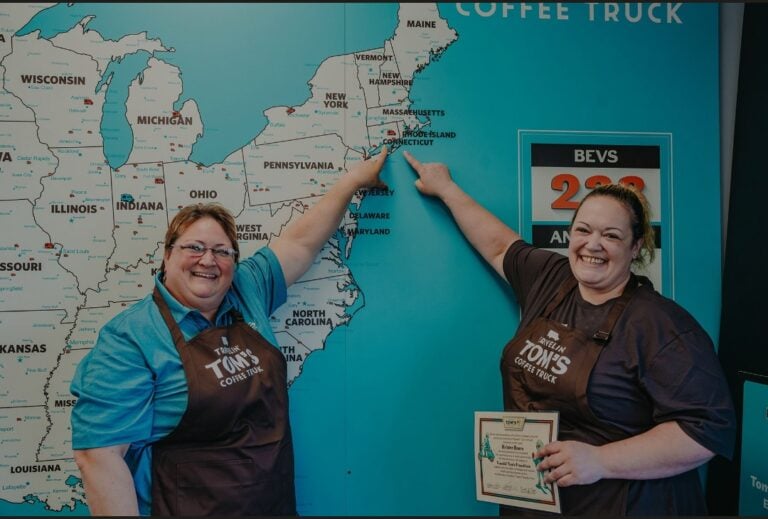
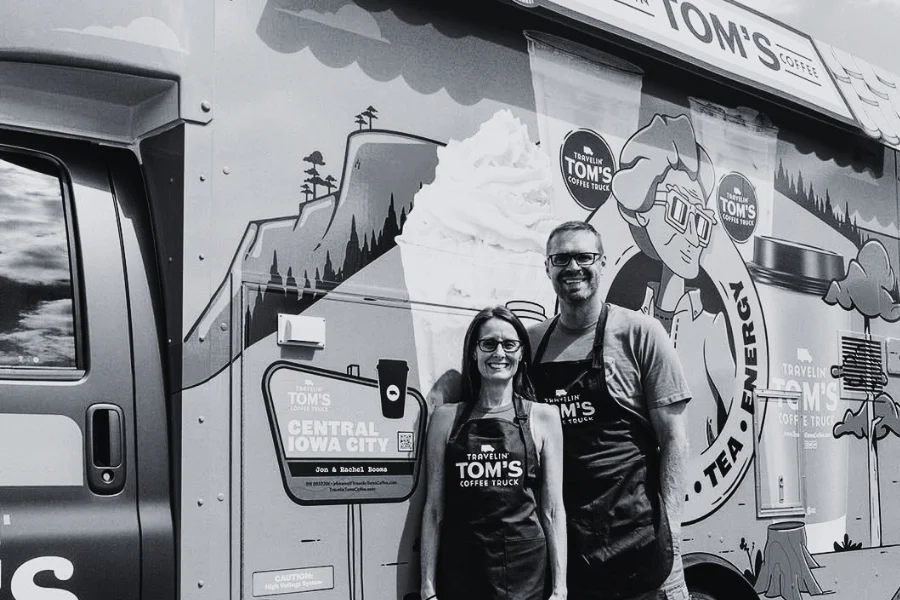
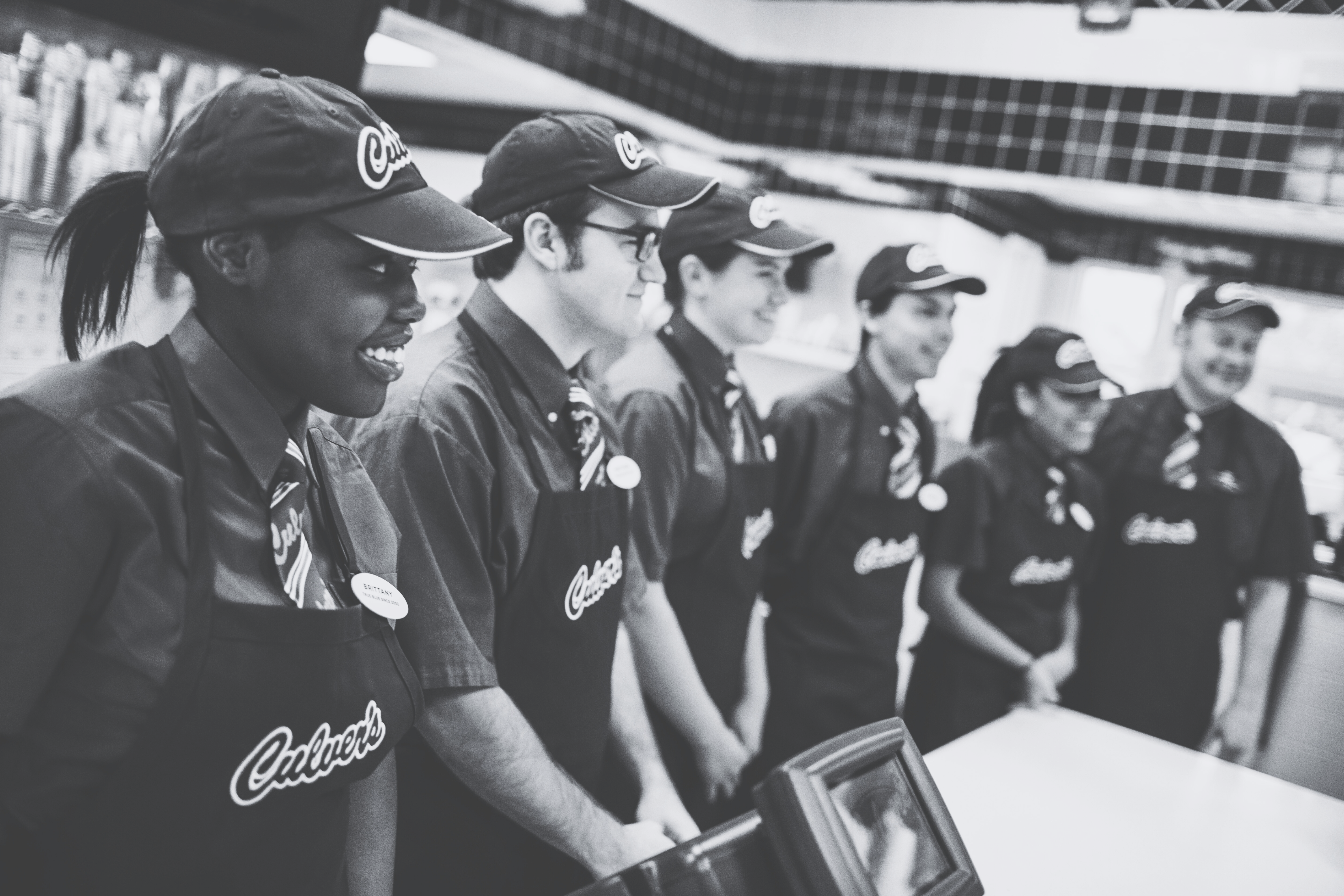
Yeah, I l I definitely do. ⁓ so really kind of the the top ten that are that are featured here next home, Kona Ice, Visiting Angels, Christian Brothers Automotive, Culvers, Anago Cleaning Systems, Travelin’ Tom’s Coffee Truck, Fast Signs International, Cruise Planners, Fish Window Cleaning Services. So those are our those are our top ten here. amazing brands. ⁓ there that doesn’t mean that the other brands of course we we wanna say like
Michelle (17:49)
Absolutely. But I think what what I wanted to do is actually just talk about some of these because you we can. There’s some commonalities with these. To what you just said, as far as it’s not about kind of what’s created but what’s sustainable, Fish Window Cleaning and Christian Brothers are perfect examples of that. They’re both family businesses that were started, but have different executives in place now, and you’re still seeing them on these lists and you’re still seeing them on the awards. So that’s an example of
The founder might not still be involved in the day-to-day, but they’ve created something that is bigger than them. It’s about the system of people and and how they’re moving forward on it. and then you see some people that are fairly new to the list. ⁓ and then you see these these older ones that have been in our hall of fame. So they’re consistently showing up. So this is also not like a
In 2026, culture is a buzzword, and so we’re gonna focus on it. This is something that we’ve been talking about for a long time and we’re seeing brands that can continually show up and and get feedback from the franchisees and use that as a way to bring more people into their brand and grow it in a really healthy, sustainable way.
Allison (19:03)
Right. Right. And also, just because we we did name some of the brands on this list, just to be clear, the there aren’t there there’s a huge variety of the kinds of businesses that are on our top culture list. There there’s food, there’s services, there’s real estate, there’s automotive, travel, home services, there’s some B2B options. It’s not like one specific industry really shines in culture.
Michelle (19:15)
Yeah.
Allison (19:30)
So if you are dead set on working in senior care, for example, you’re gonna find senior care franchise brands on our top franchises for culture. I know Right at Home is there, I know you know, Visiting Angels is there, so among others. So it’s across cultures. ⁓ you’re not saying by looking at this culture list, you’re not gonna rule out industries.
Michelle (19:54)
Yeah, I love that. Yeah. ⁓ we also saw that the pre-tax income average for the the winners versus the whole set data set that we look at has ⁓ franchisees reporting their pre-tax income at one hundred and fifty-five thousand on average instead of a hundred and forty-four thousand on average. So we always do a little disclaimer on the financials. These are self-reported. Franchise owners can put
things through their business differently and it depends on what kind of accounting advice you’re getting. But if we look at our whole data set versus the top 100, we are seeing that the franchise owners are actually pulling more ⁓ profit out of their business than than the rest. So again, we are seeing the impact of culture on these franchise owners.
Allison (20:41)
Right. I love that. Because across all the franchises that we survey yearly this past year, the average was one forty four. And then across these one hundred, it’s one fifty five. I mean, that’s really exciting. Culture matters. Culture matters.
Michelle (20:54)
It does not.
Yeah. And I think ⁓ and it makes sense because a lot of stuff that goes along with providing a an environment where I mean culture is people feel comfortable to be themselves, they feel safe. And what we’re talking about is better communication, right? That we’re making or or inclusivity. We’re making sure that we’re involving all the franchise owners or we are ⁓ creating a place of learning, a place of being able to ask questions and not feeling stupid about the question I’m asking or that I should know that.
So I think what we really see the impact of a strong culture is that it’s probably ⁓ impacting even retention at the corporate team level, right? If the if the corporate team is happy in the job they’re doing, if they’re feeling supported, you’re not gonna see as high of turnover, ⁓ higher engagement. So you go to conferences and franchise owners are talking to each other and they’re mixing with the corporate team. So I think you can see that culture played out in ways that actually make sense of why they’re impacting.
Allison (21:33)
Yeah.
Michelle (21:52)
the the business results as well. Bet better customer experience, right? If your franchisees love their brand, they love what they do. They show up for their people in their local market. Your customer feels that. We’ve all been all been to a a store or a restaurant or had a service that we’ve raved about how great the person was that we dealt with. And then we’ve also been like we we had we had to get new phones this weekend. And we went to the phone store.
Allison (22:06)
Yeah.
Michelle (22:22)
And I’m not going to name the brand because it doesn’t matter. Everyone’s had the experience, right? The the we’ve been there three times in the last three weeks, and it’s different people every time. The employees are telling the customers coming in, sorry, I’m new. you know, like you feel you feel it, and you’re like, and then they’re like, ⁓ I’m glad I could get on the line with you to call the corporate office. Cause if you called on your own, they really wouldn’t be very helpful. Like they’re saying this to customers in the store, and I’m like, my gosh.
Allison (22:32)
my god, yeah.
Right, right.
Michelle (22:52)
So I get it. Like it being a business owner and and hiring and retention is so hard. But you know what makes it harder is being a jerk. And then they walk out the door and they tell everyone you’re a jerk. It becomes even harder to hire to keep people. So it it all makes sense. Like the business case makes sense that your customers will feel it if your team ⁓ enjoys what they’re doing and who they’re doing it with. Yeah.
Allison (23:05)
Yeah, yeah.
Mm-hmm. It’s so true.
I think about one of the I think about two other brands on this list. So I think about Kona Ice and I think about their yearly cone venture. That’s literally what they call it, which I love. And I know that that brand is really connected to one another. Its franchisees are really connected to one another and look forward to getting together. I think Cruise Planners is the same way. They all go nuts getting together every year when they’re bright green shirts. ⁓ and then Mathnesium, the Mathnesium franchisees.
Talk about one another like they each walk on water. It’s it’s really cool. And ⁓ I agree, I think that absolutely trickles down. It it it’s gonna be evident at your Kona ice truck, right? It’s gonna be evident at your magnesium location. it’s gonna be evident when you’re on the phone or online with ⁓ cruise planners franchisee, right?
Michelle (24:07)
Yeah, I I do, I do. ⁓ and then I I also really think that like let’s start trying to share some stuff with people so that they can help suss out what what is the culture? What’s the team about? What’s the brand about? ⁓ I don’t know that a lot of it will be different than other calls we’ve had because or other episodes where we’ve talked about this because the most important thing is to talk to franchise owners that are in it, right? And
Allison (24:25)
Right.
Yeah, always.
Michelle (24:34)
And
so yeah. So let’s let’s try and give some examples or questions that they could ask to try and get to the bottom of this. But I think the the underlying current is you wanna you wanna understand how they treat their people, how they view their people, if they view them as part of their success or completely their success. Every person we have come in for an interview at FBR, the first thing I will say is our superpower is our team. They care about each other, they care about our customers, like
You can literally teach people anything else, but you cannot teach people to show up. and that it’s important and that it matters. So that’s I think what we’re trying to help them get at is what are the questions that you can get out and how they prioritize taking care of their people. And that will give you a good indication of culture. Right.
Allison (25:21)
Yeah. Yeah. And be relentless.
Like if you’re somebody thinking about investing in a franchise, g ask these questions repeatedly. Rephrase them. Like be be kind of relentless about it so that you really get to the bottom of what of what’s really going on in a franchise system. Cause it’s a lot of money. It’s your time. It’s your energy. It’s potentially
Michelle (25:31)
Yeah.
Big decision.
Allison (25:46)
It’s huge. So get to it. So okay, some of the major questions that would get at culture, what would you what would you say, Michelle?
Michelle (25:53)
Yeah, I I mean, I think the do you feel supported by the franchisor is important because it’s not ⁓ do you agree with the franchisor? It it’s do you feel supported? So like if you are if you feel like your business is flailing, do you feel you can call and say, guys, like I am stuck and they’re gonna show up and and support you? I think that’s a good one to try and understand what that culture is. If it’s like, you know, we’ll get on four calls with you, but like
If you’ll drop everything and help a franchise or because they’ve raised their hand and said that they want the help, that’s a sign of a strong culture. Yeah.
Allison (26:31)
Yeah.
And I love when we ask franchisees if they would do it again.
Michelle (26:37)
Yeah, that’s I mean yes. So I think that that’s the same thing as like if you can be where you are now and reflect on the highs, the lows, the economic impact on your business and you still would do it again, that is such a raving review. But again, I’m not saying everything has been perfect and it’s this straight to the moon type of curve on my revenue and my experience, but it’s like when I reflect on my time here, would I do it again? Huge question. Yeah. Yep.
Allison (27:03)
Yep. Huge question.
Michelle (27:06)
⁓ I think the the collaboration, understanding how franchisees collaborate with each other, what type of what type of activities or opportunities are not corporate sponsored, but like how much is corporate getting involved in making sure you have time with franchisees at your annual conference? Are they doing regional meetings? Are they connecting you virtually? Or are the franchisees doing this completely on their own?
I think that speaks to a lot. It doesn’t mean that the franchisee culture isn’t awesome, that they’ve taken it upon themselves. But you I think would want a a a corporate team that fosters that and understands the more access you have to others, the better you will do. The more engaged you are with other franchisees means that you will perform better.
Allison (27:42)
Yeah.
Yes. And I we haven’t talked too too much about this, but some franchise brands are don’t have like exclusivity when it comes to territories and things like that. And they don’t have things in their franchise agreement that let’s say you buy a territory, ⁓ they might kind of not have systems in place that would stop you from competing with a fellow franchisee.
So that’s I think something worth looking into. Are franchisees do they feel in competition with each other? Let’s say you got somebody who owns a retail location in the next town over. Are you kind of pitted against each other or are you invited to co like what’s that like? ⁓ you know, is is there a scarcity mindset or is there a, you know, a rising tides lift all situation going on? Because I don’t know about you, but
I don’t need to be up in the middle of the night worried that a franchisee from the next town is doing it better. I wanna feel like if they’re doing really well, that’s gonna mean that I have a more ⁓ a more that I am more likely to perform well.
Michelle (29:05)
Yeah. Yeah. There’s an so you want somebody that has that kind of mindset of like, we’re all in this together, we’re all gonna be successful. I do think that’s a good thing to suss out. Nothing wrong with unprotected territories, you know, it it is part of different models. But if you feel like people are being sneaky or shady, like that’s culture. That’s if if you feel like the corporate team is letting that stuff slide, commonly you’ll hear n and and it’s not frequent, but like you will hear
So and so does this and the corporate team lets them do it because they’re successful. That is a signal of culture that if you are successful, we’ll let you get away with stuff. And that’s that’s yours to decide if that’s something you want to be part of. But like that sneakiness, if if you feel that, I think that could be a red flag for you.
Allison (29:53)
Yeah. Especially if you know your personality. Hopefully at the time that you’re thinking about investing in a franchise, you know your personality and if that kind of situation would serve you or not. ⁓ yeah. ⁓ okay.
Michelle (30:04)
Yeah. Yeah.
I also like ⁓ how how does your franchise or respond when you have concerns or feedback? Because discussion’s great. And I think that is one thing that we always talk about here at FBR is feedback is a gift. But it is hard to hear feedback sometimes, especially if it seems to to maybe be personal towards someone on the team. But what you want to know is
Can you bring feedback if you aren’t in alignment with the franchise or can you push back? Can you say, I don’t like this? It does not mean you’re gonna get your way. And that’s not the sign of a great culture, but can they back up why they’ve made a decision one way? Do you feel heard? Like that’s really what it is, is if you give feedback and we’ll say this, so we take all of our clients through their data when they get it. And so we say, if Joe Smith said, Allison, I have no materials to help me in my market.
There’s no marketing being done whatsoever. As the corporate team, of course there’s marketing that’s getting to that franchisee. But what’s happening is that franchisee is frustrated. They don’t know where to go. They don’t know who can help them. You’ve got to look for the other things that you can talk about. If you as the franchise or call Joe and say, Joe, you are such a ding bat. We have all this stuff for you that you’re not using. We’ve told you where it is. Like, that’s not gonna go well for anyone. So like, do they shame you?
for your opinions or if you’re wrong or do they s op are they open to hearing, Okay, this person needs some more training on marketing?
Allison (31:37)
Yep.
Yeah. Yeah. Like is there is there an avenue to for you to give feedback? And then what happens after you give feedback? Is there an avenue by which they support you? By which they even if it’s not, ⁓ yes, we will roll over and grant you whatever wishes you want, that’s probably not gonna happen. But ⁓ it sounds like you need extra support here. We are gonna have our blah blah blah call you and walk you through this. Yeah.
Michelle (31:46)
Yes. How do they respond? Yeah.
Allison (32:06)
Because what happens? I mean, it’s like you have mentioned, it’s not gonna be roses all the time. There are gonna be issues. There are gonna be things that corporate decides and that you’re trying to implement in your territory that maybe just don’t go over well or are a bit of a rough adjustment and you might need a little bit of extra care. And if you aren’t gonna get that, again, that’s culture. There you go.
Michelle (32:20)
No.
Yeah, that’s
absolutely. Yeah. And and I also think the way that people treat each other within the brand. And so I mean, I can give you examples. I’ve been at enough franchise conventions where I’ve seen culture in action and great culture and other uncomfortable moments. Like if someone speaks to someone disrespectfully, are they called out on it? Is is someone higher up ⁓ protecting the person on the corporate team to say, hey, like we get that there’s not alignment here, but we will work through this respect respectfully.
Allison (32:50)
Yeah.
Michelle (33:00)
fully of each other. ⁓ or do they sit back? Do they do they n kind of like let that heat I just think it’s really important. It is a top-down ⁓ implication. So if your top leaders do not have the teams back or do not step in when someone’s being in inappropriate, I think it sets the tone for other people to feel like that behavior is okay. So like can you get real specific examples of like when you go to convention, how do you feel? How what’s the energy?
How how involved are the franchisees and what’s happening with each other? So I think those things will help you kind of get it. Cause people be like, ⁓ like, I went and it was it was not a great time. The majority of the time you will it’s a love fest. Conventions are such a great time to see the engagement of these brands that the franchisees get so much from just being in person with each other. The corporate team builds relationships with franchisees. So like that
Honestly, the best way to assess a culture if you have the opportunity is to attend the convention. And sometimes that happens. Like a lot I know neighborly will do that. If you’re talking to them and it’s near a signing, they’ll let you come as a prospective franchisee to convention. I mean, it’s a smart move because they’ll get so so much of that energy. But it is a great way to really see the culture in action.
Allison (34:17)
Yes. Yeah, I agree. I ⁓ okay, so I I want to come back to this and just wrap up this point of validation. So validation is when you’re you as a prospective franchisee are doing your due diligence, you’re asking questions, you’re finding out more about the brand, you’re figuring out if it’s a viable option for you. And it shouldn’t just tell you whether franchisees make money. It should tell you whether or not they’re happy being a part of the organization, right? That’s I think what we all want.
in our next career moves, we we wanna be happy, we want to feel satisfied. That’s obviously the word that we at FBR use a lot. Satisfaction. ⁓ contentment’s another synonym for that that I love. ⁓ so I want to bring in I want to bring in this analogy that so I used to teach high school for years and I feel like a franchise system could almost be described as like corporate is like the principal and the admin, right? The administration. And then the franchisees are
are classroom teachers. So classroom teachers, as somebody used to teach, you are in charge of your classroom. Like you are the head honcho there. You are determining the culture in that classroom. You are determining kind of like how things get disseminated, et cetera, et cetera. But like you have to come back to the administration and you have to have this really healthy relationship in order for this school, this broader school to function in a healthy manner.
⁓ and that doesn’t mean that teachers can’t be really tough to work with sometimes because they’re used to being in charge of their own classrooms. And it doesn’t mean that the administration isn’t tough sometimes and making decisions up here at this top level that don’t always trickle down nicely. But in a grade system, the teachers and the administration really talk to each other nicely and they feed, ⁓ feed nicely back and forth. And I was just thinking about this because I’ve taught in a couple different schools and
I’ve taught in a school where the administration and the the classroom teachers did not get along super well, and then I’ve taught in in the other more positive cultures as well.
Michelle (36:25)
Yeah. I I think that’s a y you’re like creating your own little ecosystem, but it is touching others and and also too, Alison. The kids talk, right? Right. The kids know which teacher’s room they want to be in next year and when those results come out. And that’s also why a lot of schools won’t give you who your teacher is till right before school starts. And right? And that’s the reason, because the kids talk about their experience in the classroom.
Allison (36:35)
Yeah. Yes. Yes.
Mm.
Ray before
Yeah, yeah,
the kids talk. the kids talk. Mm-hmm. Mm-hmm. Yep, and that’s the wild world of internet reviews, right? ⁓ and then we here at FBR try to do a little bit more controlled surveying of the franchisees, or in my analogy, the classroom teachers to figure out what’s what’s going on. ⁓ yeah, so anything you want to add here with culture.
Michelle (36:56)
They do. Unfiltered. Unfiltered they talk. Yeah. Yeah.
Wow.
Yeah.
Allison (37:22)
Anything we didn’t touch upon, Michelle.
Michelle (37:24)
No, I think so some of the other stuff I would ⁓ it’s really r I think high turnover on the corporate team could signal an issue with culture, but it also might not. So ⁓ I just wanted to kind of flag that. It’s a good question to ask and let them explain if there’s been a high turnover. You’ll see this a lot in the C suite, especially. So that’s your CEO, the COO of the ⁓ franchise corporate team. ⁓ sometimes it makes sense. So sometimes
⁓ a founder exits or a CEO exits and you might see turnover of a team associated with that. Not necessarily a bad thing, but if you see a constant flip of them, I would just ask those questions. They could have gone through an acquisition that will sometimes signal a change in leadership. So I would just ask those questions, not necessarily make it a make or break decision, but just again knowing all the information you can have. ⁓ and same with when you talk to franchisees. You want to talk our reviews are a great place to start, but when you talk to franchisees
Talk to as many as you can because you could catch someone on a bad day. You could catch someone on a great day. So like you’re trying to hedge your bets and like catch multiple opinions so you can be like, okay, what’s the common story I’m hearing about how they feel about this working with this team or working with each other? So that was one thing. Don’t let the the loudest, the shiniest, and don’t let the franchise or direct you. So they can certainly offer you franchisees to talk to based on a reason. They’ll say this person is like you or isn’t a market like you.
But you should have access to talk to any franchisee that’s listed in that FDD.
Allison (38:55)
Yep. Yep.
Michelle (38:56)
So I think that’s it. Other than that, again, I do think culture eats strategy for breakfast. So I’m here. I’ll talk about culture all day long.
Allison (39:05)
Mm. Yeah. Yeah. No, as someone who works with you, Michelle, totally. Yeah, agreed.
Michelle (39:10)
Yeah.
I mean, it’s right. It it does make sense. If everybody has this feeling of belonging and ⁓ understands the there’s so much that goes to culture, but understands what your purpose is, why you’re all here, it moves your brand along further. It’s just right. You’re not constantly trying to sell every idea and change management is very hard on the best of days. So to add in that, like these people don’t buy into what we’re doing, they don’t buy into what I’m saying, like you’re just
Allison (39:17)
Yeah.
It does.
Michelle (39:39)
You’re making everything harder. So I think if you focus on your people ⁓ and you focus on what you’re creating as a brand, as an organization, I think other people will want to be part of it like a magnet, versus if there’s infighting, if there’s no alignment, if there’s no clear leadership, it’s it’s like a house of cards. And so it could could stick around, could fall apart. You don’t know. Yeah. So again, going back to our starting conversation.
Allison (40:05)
Mm-hmm. Yeah.
Michelle (40:09)
It’s not going to hurt you to focus on the culture of a brand and focus on a strong one because you will have strong cultures in every segment of franchising. So as Allison said, you can find great culture and not so great culture in every area of franchising. There’s tons of opportunity out there. So we are here to help you do your research and land on one that’s perfect for you.
Allison (40:29)
Perfect for you. We’re like a a dating app for franchises. ⁓ well, best of luck in your research. Don’t forget to visit franchisebusinessreview.com. Certainly check out our top franchises for culture list of twenty twenty six and all the other things that we have on our website. ⁓ thanks so much for joining us. Thanks for letting me crash the party again, Michelle.
Michelle (40:32)
That’s right. I like it.
Any time.
Allison (40:53)
Right. Bye bye.