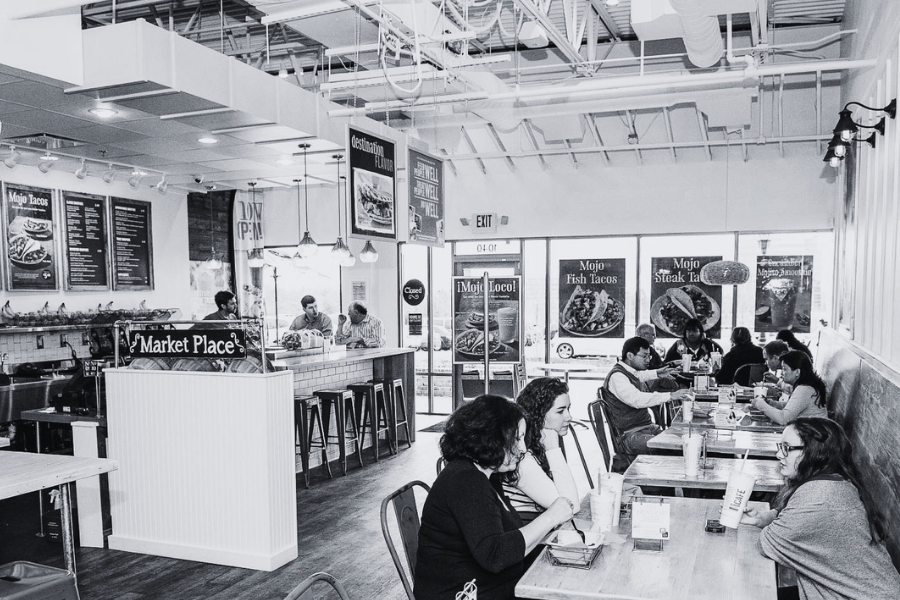

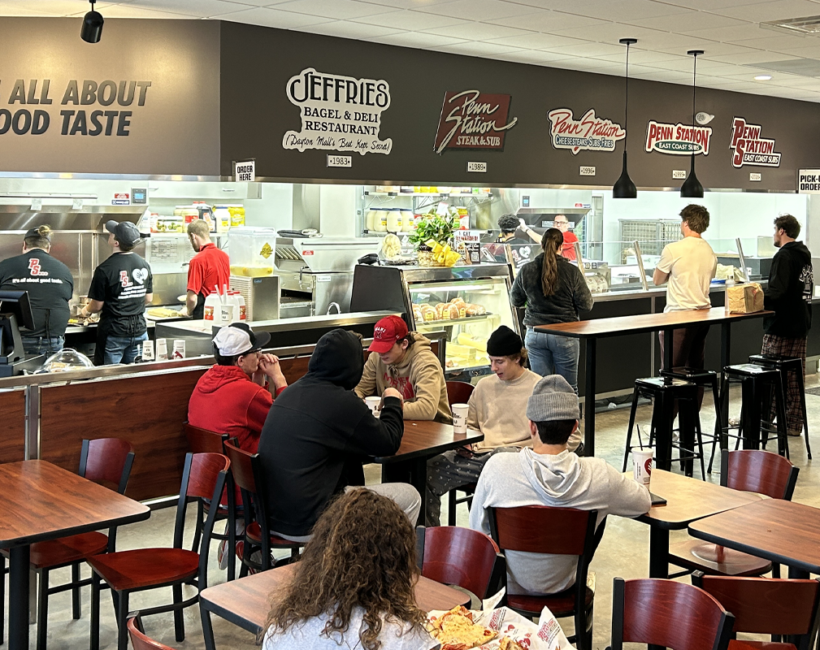
Photo courtesy of Penn Station East Coast Subs
Opening a restaurant is a lifelong dream for many foodies. It’s also one of the hardest businesses to get right. Margins are thin, suppliers are hard to lock down, and a single bad quarter can sink a first-time restaurateur who’s still learning the ropes.
That’s why so many food entrepreneurs choose to buy a franchise instead of starting from scratch. When you buy into an established food brand, you’re not just buying a logo. You’re buying a tested operating system, a supply chain, brand recognition, and a network of fellow owners who’ve already worked through the challenges you’re about to face.
At Franchise Business Review, we survey thousands of franchisees across hundreds of brands every year to measure how satisfied owners actually are with their businesses, including how they feel about the financial picture of their franchise. Based on the research, we identified the 50 Most Profitable Franchises for 2026.
Of those 50 award-winning brands, seven food and beverage franchises made the list. Each of them earned this distinction through the feedback of their own franchisees, the people best positioned to know whether a business is actually delivering a strong financial return.
Why Buy a Food Franchise Instead of Starting a Restaurant on Your Own?
Starting an independent restaurant means building every system yourself: the recipes, the vendor relationships, the marketing, the hiring playbook, the point-of-sale setup, and the brand. You carry all of that risk alone, but investing in a franchise can alleviate that risk in a few important ways.
You start with a proven model.
A franchisor has already worked out the menu, the pricing, the kitchen layout, and the unit economics across dozens or hundreds of locations. Instead of guessing what works, you follow a system that has been refined through real-world operation.
You get brand recognition on day one.
An independent owner spends years (and a lot of money) building name recognition. A franchisee opens the doors with customers who already know the brand, trust the food, and are ready to walk in. That recognition shortens the runway to profitability.
You inherit a supply chain.
Sourcing ingredients, negotiating with distributors, and managing food costs are some of the hardest parts of running a restaurant. Franchise systems give you pre-negotiated supplier relationships and group purchasing power that an independent owner can’t match.
You’re trained and supported, not left to figure it out.
Most food franchisors provide structured training, site selection help, construction and buildout guidance, marketing support, and ongoing business coaching. When something goes wrong, you have a corporate team and a community of fellow owners to call.
Financing is often easier to secure.
Lenders tend to view established franchise brands as lower-risk than untested independent concepts. A recognized franchise with a track record can make the funding conversation considerably smoother.
Download FBR’s free guide, How to Finance Your Franchise, to learn more about common costs and fees, and questions to ask before investing. Get your copy now.
None of this guarantees success. Franchising still takes a significant investment of time, money, and hard work, but it replaces a lot of trial and error with a system. The key is choosing a brand where existing franchisees are genuinely satisfied.
Types of Food and Beverage Franchise Opportunities
When people hear “food franchise,” they often picture a burger chain or a sub shop. The category is much broader than that. Some of the most popular types of food and beverage franchises include:
- Full-service restaurants: Classic sit-down dining with hosts, waitstaff, and often a bar. These often have higher startup costs but offer a wide range of cuisines and styles.
- Fast food (quick-service restaurants): Counter or drive-thru ordering, fast turnaround, and value pricing. Generally, these have a lower cost to open and are built for high transaction volume.
- Fast casual: A middle ground that pairs higher-quality, made-to-order food with the speed and convenience of counter service. More on this below.
- Cafés and bakeries: Popular in high-foot-traffic areas, relatively inexpensive to run, and good for steady daily cash flow.
- Pizzerias: Consistent demand, straightforward operations, and a delivery-and-takeout model that scales well.
- Juice, smoothie, and bowl concepts: Riding the long-term shift toward health-conscious eating, these often carry lower buildout costs and strong repeat business.
- Ice cream and dessert parlors: High-margin treats with built-in impulse appeal, low buildout costs, and simple operations that are easy to staff.
Download a free copy of the latest Food & Beverage Franchise Performance Report for the latest trends gathered from over 60 leading food franchises across 40,000 locations.
Fast Food vs. Fast Casual: What Is the Difference?
These two terms often get used interchangeably, but they describe two distinct franchise models. Understanding the difference matters, because it shapes your investment level, your day-to-day operations, and the kind of customer you serve.
Fast food, also called quick-service restaurant (QSR), is built around speed, consistency, and value. Customers order at a counter or drive-thru, food is prepared quickly using streamlined kitchen systems, and prices are at the lower end. Think drive-thru chicken, wings, or subs. The model relies on high customer volume and efficient operations rather than high per-order spending. (Read more at Buying a Fast Food Franchise: Is it Right for You?)
Fast casual falls between fast food and full-service dining. The ordering experience is still quick and counter-based, but the food is positioned as higher quality with fresh ingredients, made-to-order preparation, and a more elevated menu. Interiors tend to be more comfortable, average ticket prices are higher, and the brand promise leans on quality and experience rather than pure speed and price. Think build-your-own burritos, grilled subs made to order, or premium smoothies and bowls.
The Most Profitable Food Franchises
The seven brands below span multiple franchise models, and they share one thing in common: each made FBR’s Most Profitable Franchises list based on franchisee feedback. Additionally, all brands that made the list have at least 25% of owners earning annual incomes of $150,000 or more.
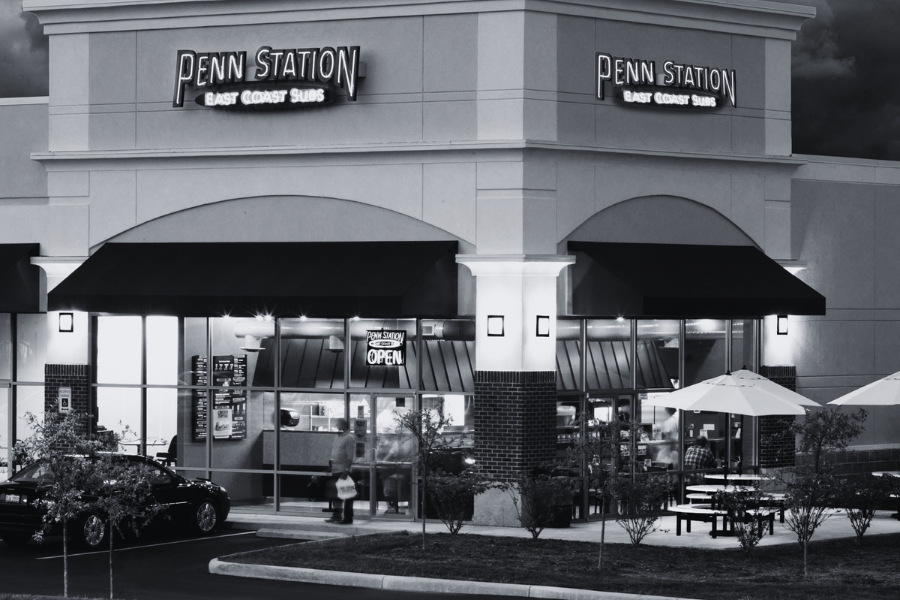
Penn Station East Coast Subs
Type: Fast casual sub shop (grilled subs, fresh-cut fries)
Investment: $507,500 – $858,750
Cash Required: $300,000
Penn Station East Coast Subs has built a loyal following on a simple promise: hot, grilled-to-order subs, fresh-cut fries, and hand-squeezed lemonade. Founded in Cincinnati, the brand has grown across the Midwest, South, and beyond.
The brand provides support across site selection, training, and operations, and its focus on fresh, high-quality ingredients, an open kitchen concept, and an engaging customer experience has built a loyal following.
Franchisee satisfaction highlights include:
- 90% of franchisees agree that they enjoy being a part of this organization
- 92% of franchisees agree that they respect their franchisor
- 90% of franchisees agree that they enjoy operating this business
Learn more and download a free franchisee satisfaction report.
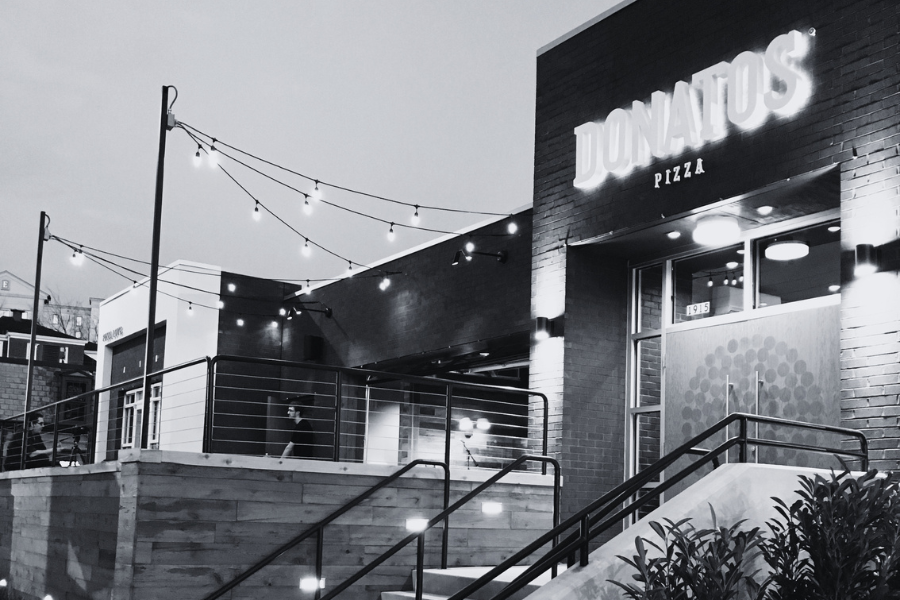
Donatos Pizza
Type: Fast casual pizza (carryout, delivery, and dine-in)
Investment: $457,244 – $989,654
Cash Required: $200,000
Donatos has been making its signature edge-to-edge pizza since 1963, when it was founded in Columbus, Ohio. Known for thin-crust pies loaded all the way to the edge, the brand has cultivated a passionate regional following and a reputation for quality that sets it apart in a crowded pizza category.
Learn more about owning a Donatos Pizza franchise.
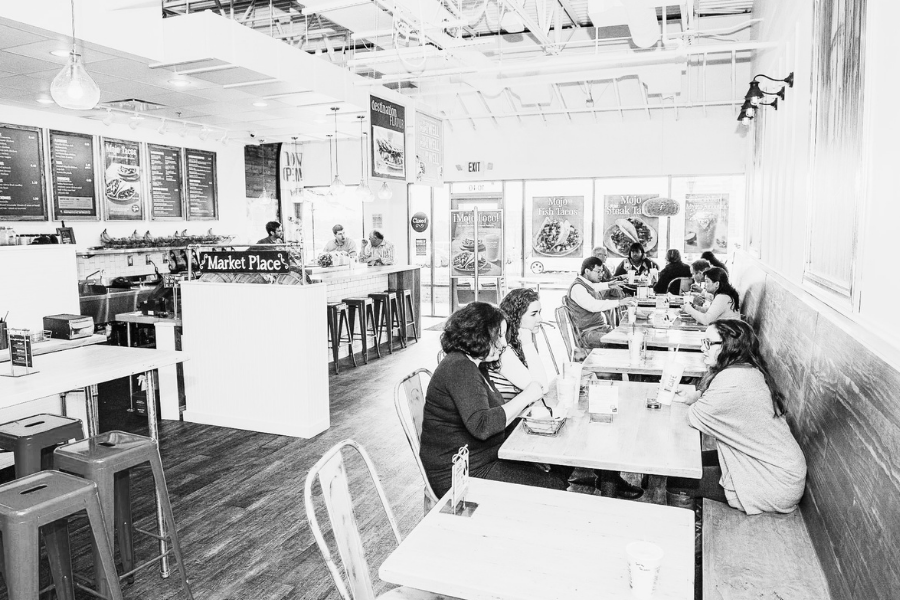
Tropical Smoothie Cafe
Type: Fast casual smoothies and food café
Investment: $300,000 – $720,500
Cash Required: $350,000
Tropical Smoothie Cafe blends a smoothie-forward menu with a full lineup of wraps, sandwiches, bowls, and flatbreads, giving it broader appeal than a smoothie-only concept. That combination of a craveable signature product and real food has made it one of the more recognizable names in the better-for-you fast casual space.
Learn more about owning a Tropical Smoothie Cafe.
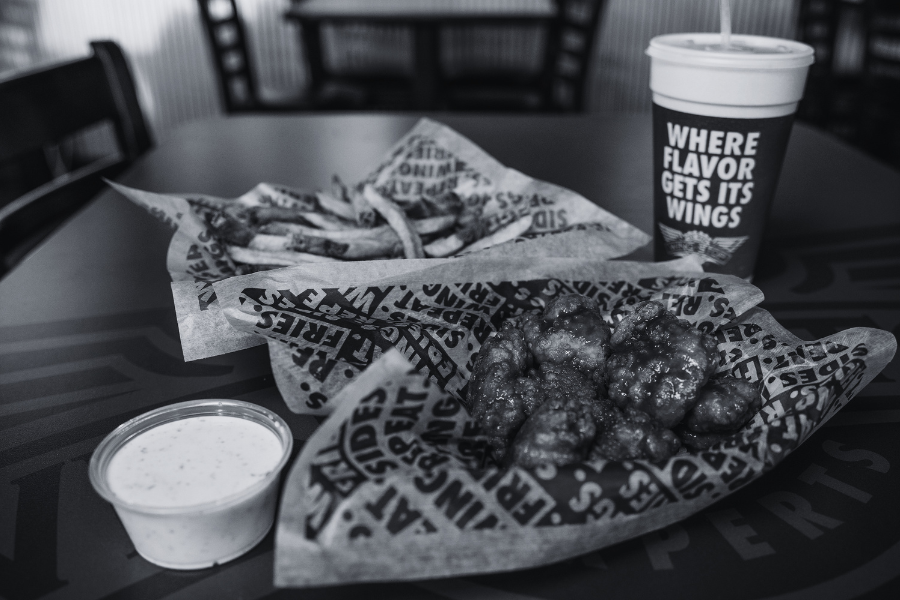
Wingstop
Type: Fast casual wings, takeout and delivery focused
Investment: $347,600 – $759,100
Cash Required: $600,000
Wingstop has grown into one of the most talked-about names in fast food, with its focused menu, a takeout-and-delivery-first model, and a strong flavor lineup. Founded in 1994 in Garland, Texas, the brand built its growth around small-footprint stores that lean heavily on a strong digital ordering system.
Learn more about owning a Wingstop franchise.
Playa Bowls
Type: Fast casual açaí bowls, smoothies, and juices
Investment: $255,944 – $1,037,794
Cash Required: $150,000
Playa Bowls started as a beach-town concept built around açaí and pitaya bowls, smoothies, and fresh juices, and it has ridden the wave of health-conscious eating into a fast-growing national franchise. The menu taps directly into one of the strongest trends in food today: customers looking for fresh, vibrant, good-for-you options they can grab quickly.
Learn more about owning a Playa Bowls franchise.
Church’s Texas Chicken
Type: Fast food (QSR) fried chicken
Investment: $648,866 – $1,896,300
Cash Required: $1,000,000
Church’s Texas Chicken has been serving made-from-scratch fried chicken, biscuits, and Southern sides since 1952, when it was founded in San Antonio. As one of the established names in value-oriented QSR chicken, the brand combines deep name recognition with a straightforward, high-volume operating model.
Learn more about owning a Church’s Texas Chicken franchise.
Jreck Subs
Type: Fast food (QSR) sub shop
Investment: $182,500 – $1,325,000
Jreck Subs is a regional sub franchise with deep roots in Northern New York, where it has built a loyal regional following over decades. Its quick-service model centers on made-to-order subs at an affordable price point.
Learn more about owning a Jreck Subs franchise.
Explore FBR’s full list of top food and beverage franchises, backed by real franchisee satisfaction data.
How FBR Identifies the Most Profitable Franchises
Profitability is one of the hardest things to verify when you’re researching a franchise. Not all brands share detailed financials, and the numbers that do appear in a Franchise Disclosure Document can be incomplete or hard to interpret. So instead of relying on the brands to tell us how profitable they are, we go straight to the people who actually know: their franchisees.
Our Most Profitable Franchises list is built on FBR’s independent franchisee satisfaction research. Here is how the process works:
- We request permission from a franchise system to survey its franchisees, then verify the franchisee list and invite owners to complete our custom survey.
- Within that survey, we ask franchisees about their satisfaction with key areas of the business, including their financial outlook, and how they feel about the overall earnings opportunity their franchise provides.
- We collect and analyze those responses alongside the broader satisfaction data, then score and benchmark each brand against others in our database.
- The brands whose franchisees report the highest annual incomes and strongest satisfaction earn a place on the Most Profitable Franchises list.
Most importantly, FBR is an independent, third-party research firm.Brands cannot buy their way onto our awards lists. Our methodology is driven by transparency and an objective assessment to help prospective franchisees find the best opportunities for their next business venture.
See this year’s full list of the Most Profitable Franchise opportunities. All brands that made the list have at least 25% of owners earning annual incomes of $150,000 or more.
Key Takeaways
Food franchises come in many forms, from value-driven fast food to elevated fast casual concepts to full-service sit-down restaurants. The right fit depends on your budget, your market, and the kind of business you want to run day to day.
If you want lower entry costs, simpler staffing, and a model built for volume, the fast food brands on this list are worth serious consideration. If you would rather compete on quality and experience while keeping the convenience of counter service, a fast casual concept may offer a compelling path.
Whatever direction you lean, every brand here shares the distinction that matters most to a prospective owner: their franchisees report high satisfaction and strong financial results, which is what earned each of them a place on FBR’s Most Profitable Franchises list.
Want to know what it’s really like to own a restaurant franchise? Pizza Factory franchise owner Ernie Amorim shares his experiences on our podcast, From A to Franchisee. Listen now.