
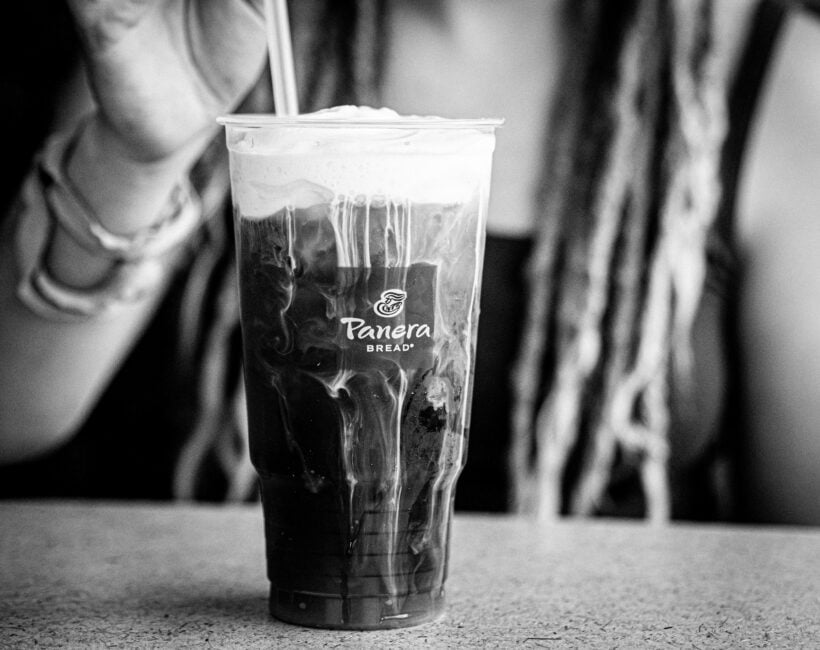
Key Points
- The global fast-casual restaurant market, a category Panera helped invent, is projected to grow from $203B in 2026 to nearly $340B by 2034.
- To become a Panera Bread franchisee, investors should expect to spend anywhere from roughly $1.27 million to $4.65 million, plus a $35,000 franchise fee.
- Panera offers a loyal following and a recognizable brand, but it requires a steep net worth minimum and a multi-unit development commitment. There are a number of other fast-casual, health-forward franchise opportunities that require a significantly smaller investment.
Panera Bread built its name on a warm baguette and a plate of mac and cheese, and it hasn’t let go of that identity even as the menu keeps evolving around it. Best known for its soups, salads, and made-to-order sandwiches, the brand markets itself as “America’s kitchen table,” a place where a bowl of broccoli cheddar and a comfortable chair matter just as much as speed of service.
That positioning has mattered more in a crowded field. The global fast-casual restaurant market was valued at $191 billion in 2025 and is projected to climb toward $339.5 billion by 2034, a category defined by fresher ingredients, higher price points than traditional fast food, and a customer base that wants both convenience and quality. Panera has spent the past year trying to make sure it keeps its seat at that table, rolling out a company-wide turnaround plan called Panera RISE and refreshing its menu with new Market Bowls, premium salads, and an expanded cold beverage lineup.
So is now the right time to open a Panera Bread franchise? Here’s what prospective owners should know.
Download a free copy of the latest Food & Beverage Franchise Performance Report for the latest trends gathered from over 60 leading food franchises across 40,000 locations.
The History of the Panera Bread Franchise
Panera’s story starts in 1987, when the St. Louis Bread Company opened its first bakery-cafe in Kirkwood, Missouri, with a sourdough starter and a belief that bread tastes better shared. Au Bon Pain Co. acquired the concept in 1993 and rebranded it as Panera Bread in 1997, a name pulled from the Latin word for “bread basket.”
The brand grew quickly from there, expanding into today’s chain of more than 2,000 bakery-cafes across the U.S. and Canada. In 2016, JAB Holding Company acquired Panera as part of a portfolio that also includes Krispy Kreme, Einstein Bros. Bagels, and Caribou Coffee, all of which now sit together under the Panera Brands umbrella.
Over the last few years, Panera has experienced some turbulence, including a widely criticized shift toward frozen, par-baked bread, a highly publicized lawsuit over its Charged Lemonade caffeine content, shrinking portion sizes, and a stretch of declining sales. Panera’s response, a strategy called Panera RISE, announced in late 2025, centers on four pillars: refreshing the menu, sharpening value, elevating guest experience, and expanding the network. CEO Paul Carbone has called the results so far encouraging, while acknowledging the business still has ground to make up.
How Much Does a Panera Bread Franchise Cost?
Panera has a steep entry point. According to its most recent Franchise Disclosure Document, the total investment to open a Panera Bread bakery-cafe ranges from roughly $1.27 million to $4.65 million, including a $35,000 franchise fee. Franchisees also pay a 5% royalty on gross sales plus a 3.5% contribution to the brand’s advertising fund.
Here are a few other things you should know if you’re considering a Panera Bread franchise:
No single-unit ownership.
Panera doesn’t sell individual bakery-cafes. Instead, owners buy a development territory and commit to opening a series of locations, typically 15 cafes over six years.
A high net worth bar.
Because of that development requirement, Panera asks prospective franchisees to show a net worth above $7.5 million before it will even consider an application.
Limited, not exclusive, territory.
Franchisees receive a protected area, generally a one-mile radius around their bakery-cafe, but Panera retains the right to sell through other channels, such as catering or delivery, within that same footprint.
Panera Bread Franchise Competitors: Investment Requirements
| FRANCHISE | INVESTMENT | NET WORTH REQUIRED |
| Panera Bread | $1.27M – $4.65M | $7.5M |
| Potbelly Sandwich Works | $629,000 – $999,000 | $1.5M |
| Dunkin’ | $211,000 – $1.8M | $500,000 |
| Chicken Salad Chick | $745,000 – $990,500 | $750,000 |
| Eggs Up Grill | $821,000 – $1,140,000 | $500,000 |
| Tropical Smoothie Cafe | $300,000 – $720,500 | $350,000 |
Why a Panera Bread Franchise Is Worth Your Investment
Built-in brand equity
Panera has spent nearly four decades building a reputation for made-to-order, ingredient-forward food. Franchisees inherit a brand customers already associate with a specific kind of quality, rather than needing to introduce an unfamiliar concept from scratch.
A fast-casual pioneer still investing in the category
Panera has been credited with helping define the fast-casual segment itself, and its recent menu overhaul suggests it intends to keep leading rather than follow. The summer 2026 relaunch added Market Bowls, premium protein-packed salads and frittatas, and an expanded cold coffee platform.
Multiple dayparts, one kitchen
Between breakfast frittatas, lunch sandwiches, dinner mac and cheese, and an all-day coffee and bakery counter, Panera locations are built to capture traffic from morning to night rather than relying on a single meal period to drive sales.
A brand actively investing in guest experience
Panera’s RISE strategy isn’t just about food. The company has added a front-of-house “Guest Experience Champion” role to many company-owned cafes, and roughly half to 60% of its franchise operators have already adopted the position, according to reporting from Restaurant Business.
Why Panera Might Not Be the Right Brand for You
Panera’s opportunity comes with some significant barriers to entry, and prospective franchisees should weigh them carefully.
The numbers aren’t small
A $1.27 million to $4.65 million investment, paired with a $7.5 million net worth requirement, puts Panera out of reach for most first-time franchise buyers. This is a brand built for experienced multi-unit operators or well-capitalized investment groups.
You’re committing to a territory, not a single store
Because Panera requires franchisees to develop multiple locations over several years, one bad site or a slower-than-expected market can affect an entire development schedule rather than a single unit.
The brand is still mid-turnaround
Panera has been open about the sales pressure it’s faced in recent years and the work still ahead under Panera RISE. That’s not necessarily a red flag, but it does mean franchisees are buying into a brand actively rebuilding momentum rather than one coasting on stability.
Territory protection has real limits
Even within a protected radius, Panera can still reach the same customers through catering and delivery channels, so franchisees shouldn’t assume total insulation from the brand’s other sales efforts in their area.
If Panera’s price tag or development requirements don’t fit your budget, there are other fast-casual, health-forward franchise concepts worth a look.
Want to know what it’s really like to own a restaurant franchise? Pizza Factory franchise owner Ernie Amorim shares his experiences on our podcast, From A to Franchisee. Listen now.
Check Out Some Fresh Alternatives to Panera
No franchising investment decision should be made lightly. If Panera’s price tag or development requirements don’t fit your budget, take a look at some of these alternatives first, to make an informed choice. The franchise opportunities listed below are all award-winning brands that have been rated highly by the franchisees that own them.
Potbelly Sandwich Works
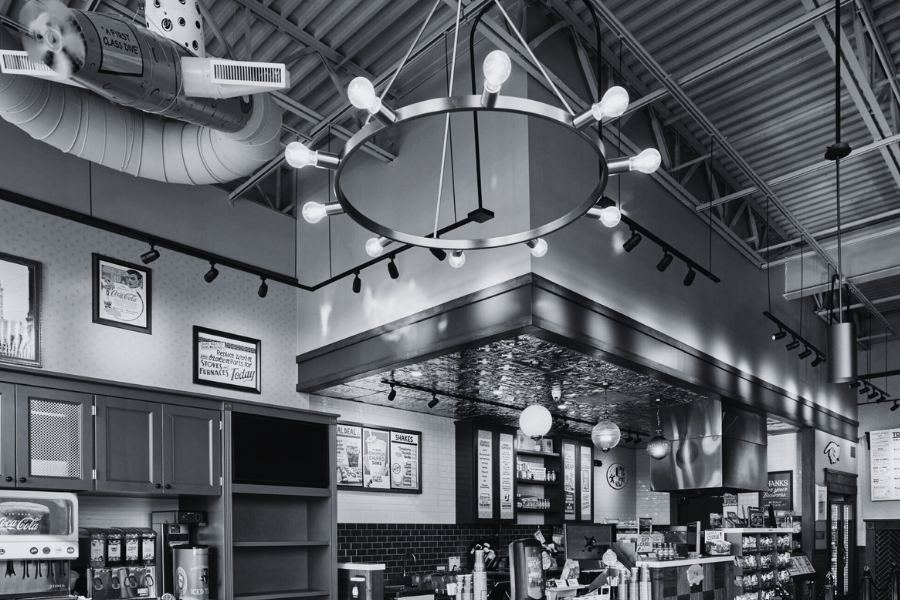
Nearly 50 years after its first Chicago shop, Potbelly Sandwich Works has built a loyal following around warm, toasted subs, hand-dipped shakes, and neighborhood hospitality. Franchisees rate the brand highly for its support system, with one owner simply saying “Amazing team!” and another praising the “Great support” they’ve received.
- Initial investment of $628,938 to $999,371
- Minimum cash requirement of $500,000
- Named a 2026 Top Franchise for Culture by Franchise Business Review
- 93% of franchisees say they respect their franchisor
Download a free franchisee satisfaction report and learn more about owning a Potbelly franchise.
Jason’s Deli
Jason’s Deli has spent nearly four decades building a fast-casual deli concept around a menu of made-to-order sandwiches, soups, salads, and pastas, all with no artificial ingredients. The family-owned brand has franchised since 1988 and has grown to more than 250 locations, while keeping the kind of made-from-scratch food that first put it on Panera’s radar of competitors.
- Health-conscious menu closely aligned with Panera’s own positioning
- Initial investment of $905,891 to $1,277,868
- Minimum cash requirement of $1M
- No multi-unit development requirement
Learn more about owning a Jason’s Deli franchise.
Chicken Salad Chick
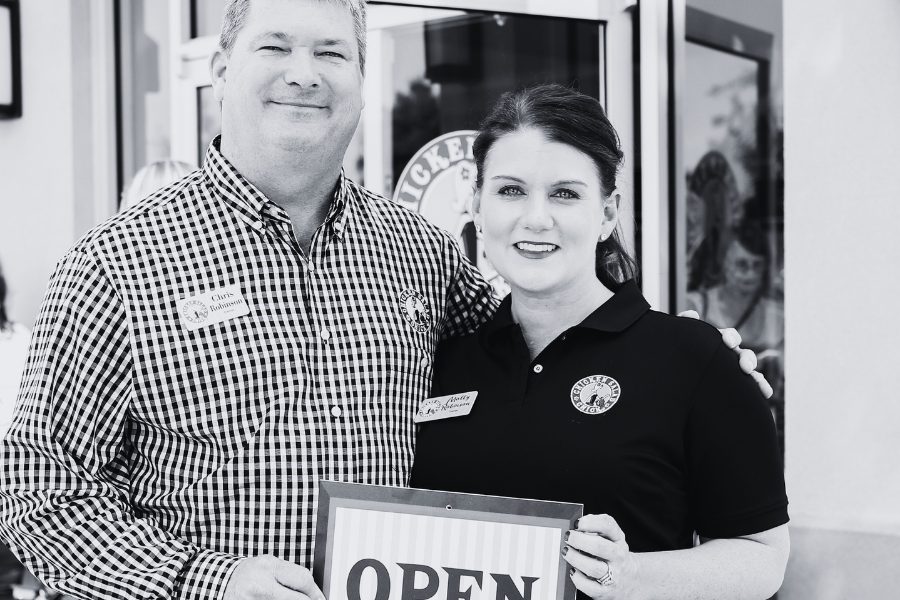
Built around a scratch-made Southern chicken salad recipe, Chicken Salad Chick has become one of the fastest-growing fast-casual brands to come out of the Southeast. Franchisee Jake Alleman said what drew him to the brand was that it stood out from the crowd, adding that the return on investment has been very high.
- Initial investment of $744,500 to $990,500
- Minimum cash requirement of $250,000
- Strong presence among husband-and-wife and multi-family ownership groups
Learn more about owning a Chicken Salad Chick franchise.
Eggs Up Grill
Eggs Up Grill has turned breakfast and lunch into a genuine growth story, with average unit volume increasing more than 31% since 2021, 110 locations operating, and more than 90 additional restaurants in development. Franchise owner Lori Hutson said the appeal for her comes down to building relationships with guests and giving back to the community.
- Initial investment of $821,000 to $1,140,000
- Minimum cash requirement of $200,000, well below many alternatives
- Simple, breakfast-and-lunch-only operating model
Learn more about owning an Eggs Up Grill franchise.
Tropical Smoothie Cafe
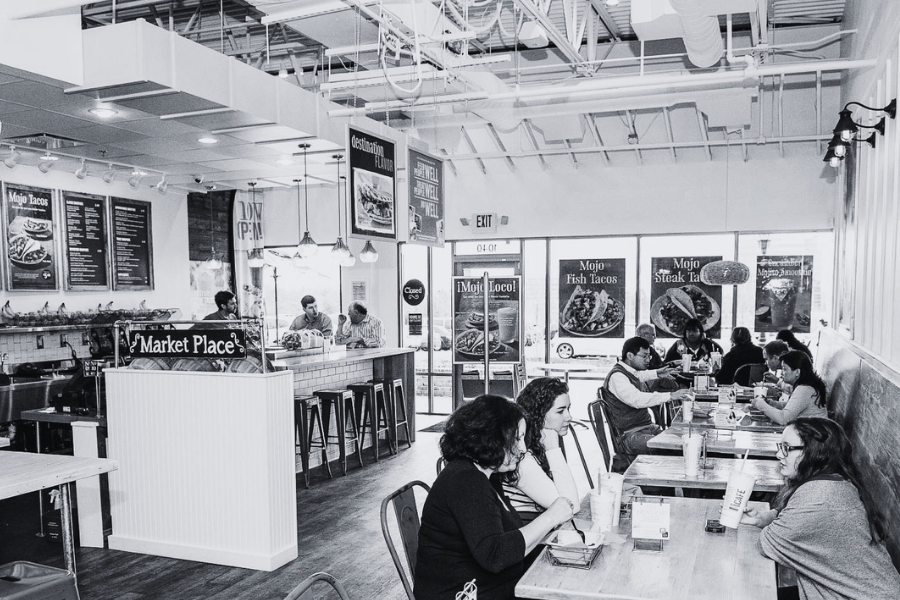
Tropical Smoothie Cafe offers a lighter lift than most fast-casual brands, both in investment size and in what it takes to run day to day. One franchise owner put it simply, saying he love building relationships with guests and providing the best food and smoothies on earth.
- Initial investment of $300,000 to $720,500, the lowest entry point on this list
- Minimum cash requirement of $175,000
- A Franchise Business Review Top Food and Beverage Franchise every year since 2015
- Multiple format options, including drive-thru and non-traditional locations
Learn more about owning a Tropical Smoothie Cafe.
Explore FBR’s full list of top food and beverage franchises, backed by real franchisee satisfaction data.
Ready, Set, Rise!
A Panera Bread franchise offers deep brand equity and a menu built for every part of the day, but it’s a significant commitment best suited to well-capitalized, experienced operators. Whatever fast-casual concept you’re considering, we recommend you:
- Compare different franchising options
- Weigh franchising costs relative to profits
- Ask for feedback from current franchise owners
- Look at independent ratings and reviews from unbiased sources
- Be honest with yourself about how much time and capital you can commit
Start your research by browsing our list of the Top Food & Beverage Franchises or the full Top 200 Franchises list. Each year, Franchise Business Review surveys thousands of franchisees to identify the top-rated franchise opportunities based on owner satisfaction, and many of them make their full satisfaction reports available on our site.
Not sure where to start with franchise ownership? Join The Academy.
FBR’s Franchise Academy is a free online course that walks you through everything from choosing the right brand to securing financing. Learn how to research and compare franchise opportunities, and avoid the pitfalls that first-time buyers typically encounter.