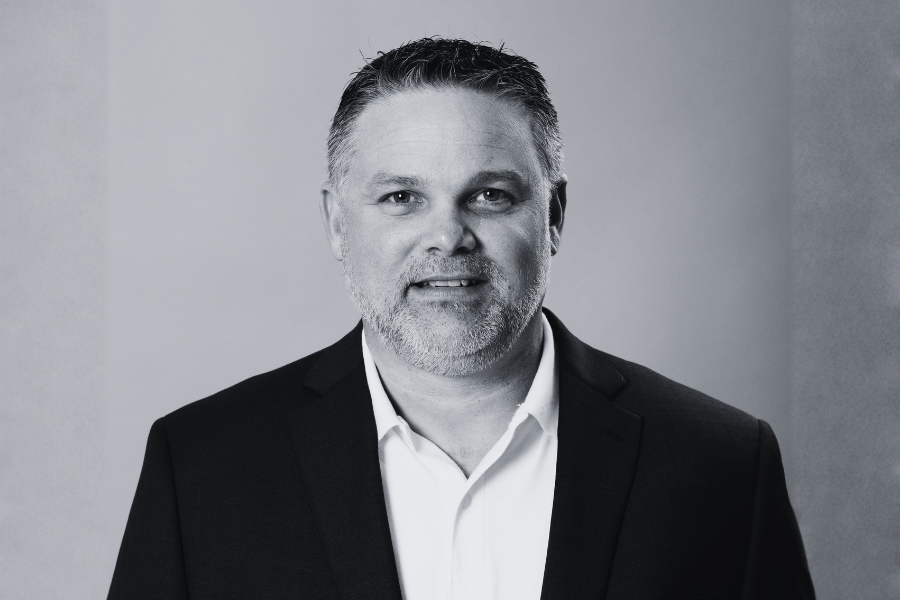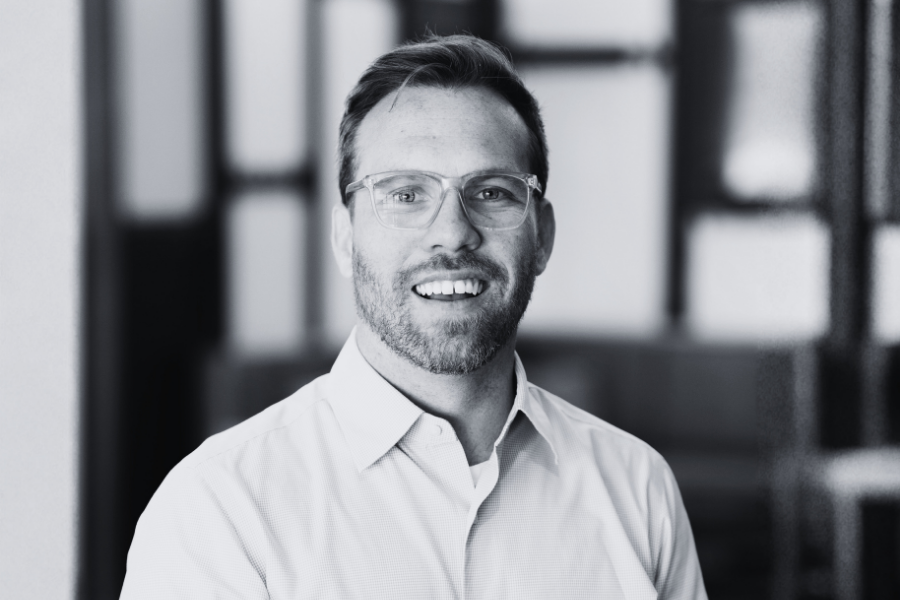

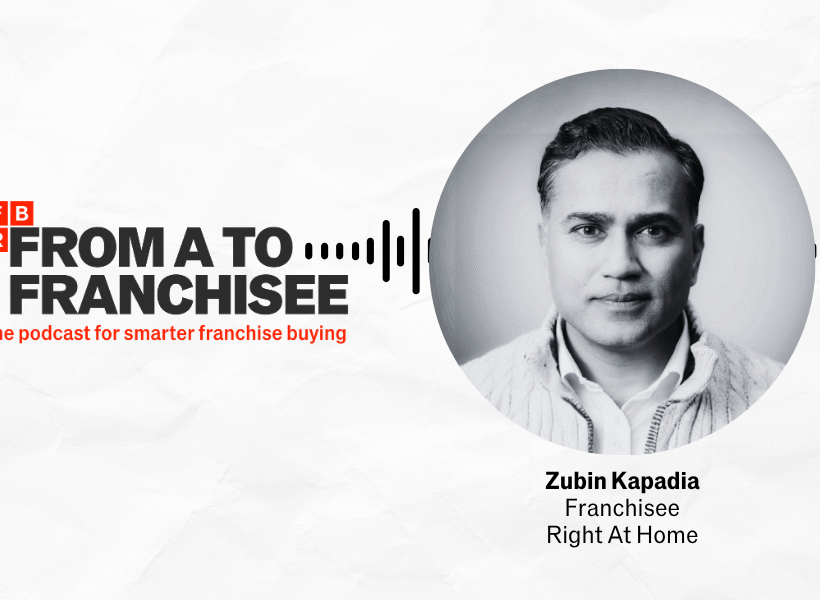
In this episode, we delve into our 2026 Senior Care Industry Report and talk to a franchisee in this booming sector.
Listen on Apple Podcasts | Listen on Spotify | Watch on YouTube
Summary
Most franchisees in senior care are driven by a deep sense of purpose, but Zubin Kapadia’s journey reveals what it truly takes to succeed in this fast-growing, emotionally rewarding industry. When he transitioned from law and international healthcare ventures to owning a Right at Home franchise, he discovered that passion, strategic support, and community presence are the secret ingredients to thriving in in-home senior care — a sector valued at over $156 billion annually in the U.S.In this episode, Zubin shares the real challenges—and profound rewards—of managing caregiver staffing, maintaining quality, and building meaningful community connections. You’ll learn why successful franchise owners leverage reputation, support networks, and innovative employee programs like the Caregivers Advancement Fund to strengthen their businesses and the lives they touch. You’ll discover:
- The key reasons industry data shows franchisees earn over $200,000 annually after two years (despite rising labor costs)
- How to evaluate buy-in options: starting fresh versus acquiring an existing franchise, and what each path entails
- The critical role of emotional intelligence and management skill over healthcare expertise for success in senior care franchising
- Why community engagement, digital marketing, and quality care are essential for sustainable growth
- The unique advantages of franchise networks that foster peer support, shared learning, and mentorship
This episode is perfect for aspiring franchise owners seeking purpose and profit, current seniors care leaders looking to scale, or anyone curious about a deeply impactful industry with steady growth and meaningful work. If you’re driven by empathy, leadership, and a desire to make a real difference, this conversation will inspire, inform, and maybe even challenge your ideas about success in franchising.
Download the FREE 2026 Senior Care Industry Report.
Resources
- The Free Senior Care Industry Report
- Listen: Understanding the Franchise Disclosure Document
- Listen: The Pros and Cons of Buying an Existing Franchise Business
- Listen: What Makes A Good Franchisee?
- List: Award Winning Senior Care Franchises
- Listen: We Ask Franchisees if They’re Happy, Here’s How
- Learn more about the Right At Home Franchise Opportunity
Transcript
Allison Dudas (00:51)
Welcome back to the podcast. I’m Alison Dudas from Franchise Business Review, and I’m so excited to talk to you about the senior care industry. So if you’ve been paying attention to the franchise industry lately, you already know that senior care is one of the fastest growing sectors in the entire space. And the numbers tell you exactly why. The 65 and over population in the United States is growing faster than any other age group, and that demand is not slowing down anytime soon.
We surveyed nearly 3,000 senior care franchisees just last year for our 2026 Senior Care Industry Report. And what we found is remarkable. So for the most part, really high satisfaction, strong long-term growth outlook, and franchisees who feel genuinely connected to the work they do every day. We even have salary data. So if you’ve ever wondered what owners in this space are actually taking home, we’re going to share that data. And the market opportunity.
World estimates the US home care providers market at approximately $156 billion in annual revenue. This is one of the largest and fastest growing segments in all of franchising. Today, I’m sitting down with Zubin Kapadia.
Zubin Kapadia (02:01)
you
Allison Dudas (02:04)
A franchisee with Right at Home, one of the most recognized names in in-home senior care. Zubin is going to take us inside what it really looks like to own and operate a business in this space, the rewards, the challenges, and why he chose that path. And make sure you stick around. Towards the end of the episode, I’ll be sharing some of the highlights from our 2026 Senior Care Industry Report that I think you’re really going to want to hear. So let’s get into it. Welcome ⁓ to the podcast, Zubin.
Thank you again for joining us.
Zubin Kapadia (02:35)
Thank you, Allison. It’s a pleasure to be here.
Allison Dudas (02:37)
Now, before we get into the business side of things, what brought you into the senior care industry?
Zubin Kapadia (02:44)
Yeah, so I’ve had a varied career. The first 10 years, 10, 12 years I was in law and finance. I’m a lawyer by training. In the last 20 years or so I’ve been in healthcare. ⁓ In healthcare, I’ve done a lot of different things. I’ve worked at major academic health centers, ⁓ building ⁓ centers of excellence overseas, partnering with other private providers, government providers, worked in China, Southeast Asia, the Middle East, Europe. And during my
international work, I spent some time at ⁓ an organization called Baycrest in Toronto, which is one of the world’s leading geriatric care centers. And for Baycrest, I was the ⁓ executive vice president for
global ventures and I helped establish models of care in China and Southeast Asia
And so that really fueled my passion for this for this area. And then, of course, subsequently, ⁓ you know, I have aging parents ⁓ and had to take care of my father and mother. My father passed away a couple of years ago, but prior to his death, he had home care. had AIDS coming in the home. My mother now is ⁓ fairly independent, but she’s getting to that point where she will need care soon and she lives
with us. So a couple of big reasons for me ⁓ to get involved and sort of the basis for my interest in this industry.
Allison Dudas (04:13)
It’s interesting that there was a crossover between your professional, basically your professional journey and then also your personal journey. And we see that. So in our 2026 Senior Care Industry Report, the why is such a common thing for franchisees in this space. There’s a deeper why, there’s ⁓ a deeper meaning behind so many of the franchisees in this industry that I think really sets it apart from other sectors. ⁓
Okay, so before the franchise, were, you you’re a lawyer, you were an EVP, you were doing lots of different things. ⁓ What was kind of the impetus? Like what made you go, ⁓ I’m gonna invest in a franchise. I’m gonna invest in Right at Home specifically.
Zubin Kapadia (05:00)
Yeah, so I have been looking at home care for a little while to sort of evaluate the business potential. ⁓ And when I looked at different opportunities in home care, I did look at independent opportunities as well as franchise opportunities. And what I saw were two or three really stark differences. ⁓ Independence, number one, didn’t have the brand recognition. And often that would prevent them from scaling because you
grow Zubin’s Home Care, but at some point the scale becomes difficult unless you have lots and lots of money invested in advertising your brand. that’s a big differentiator between the two types of models. ⁓ With respect to Right at Home, I had done a lot of research in advance of my first purchase, which was in November 2020, and that research centered around
the different types of franchise, the leading franchisors in the space. Because I wanted the brand recognition, but I also wanted the support. ⁓ It’s if you’re going to pay a franchise fee, you’re paying for something and you’re typically paying for that support. And that’s in terms of tools that they provide you, know, that sort of ⁓ typical toolbox, if you will. But then it’s also the network of owners of owners within that.
Allison Dudas (06:16)
Thank
Yes.
Zubin Kapadia (06:30)
That is a very key component to growth and you don’t fully understand it until you get in and then you start networking with people and realize that the education, the knowledge, the learnings, the failures, the bouncing back from those failures, ⁓ trying different pricing models, trying different caregiving models, recruiting models and so forth. And that all comes from dialogue. You can try it yourself, ⁓
you’ll spin your wheels for years before you may or may not get it right. ⁓ With franchising and especially when you have such a phenomenal network that Right at Home has, ⁓ you have the opportunity to exchange notes. So for instance, I joined a performance group a couple of years after starting my business and the performance group has 10 owners from around the country and we have a number of these
performance groups within the franchise. That performance group was institutional. That was critical to my growth in the last three, four years. They were a group of owners who faced similar challenges as I had. meet four times a year, sometimes more. We hash out our challenges, our wins and our losses. We talk about in detail what our finances look like. So all of this sort of drill down and that
performance group then acts almost as your board of directors. Because when you’re independent, it’s hard if you don’t have a board or a boss or other people to call upon. So those are some of the key steps that I took prior to franchising and why I thought Right at Home was the one to go with.
Allison Dudas (07:59)
Hmm.
Yeah.
I think you bring up so many good points. We have a previous podcast episode that I’ll certainly link in the show notes that talks about the pros and cons of investing in a franchise, and why you would do a franchise as opposed to Zubin’s Home Healthcare, right? And I think you really hit the nail on the head, I mean, for one, brand recognition, and for another, just that support network. And there’s obviously a number of other things that you could point to as well, but…
right at home and in a lot of the franchise brands that we work with score really high in franchisee community and I don’t know if sometimes people think about that when they are starting a business. I don’t know if they think about the idea of like you said a board of directors or how much it might benefit them if they could pick up the phone and call someone and say I’m having this really big issue. I’m having trouble reaching people in my community or
What would you recommend? Have you ever faced this? And to be able to have that hive mind is really why people do invest in a franchise instead of go it alone. So thank you so much for sharing that. I want to get into also what your day-to-day looks like. In terms of an industry, people who work in senior care do report sometimes long hours. ⁓ And I’d love to hear from you what
what it kind of looks like in your life. So first of all, obviously, if you are in a right at home franchise, it’s a little bit different than some of the other senior care franchises that we have. So right at home is offering in-home care. Some of the senior care franchises act more ⁓ like a group of consultants where you might employ somebody from a senior care franchise that’s going to help you find a good
⁓ assisted living center for your parents or whatever it is. But Right at Home is actually offering in-home health care. So I would imagine one of the biggest things for you as an owner is caregiver staffing. Can you talk a little bit about that?
Zubin Kapadia (10:22)
Sure. Well, caregiver staffing is the number one challenge for all home care agencies, regardless of what state you are in the country. It is a unique challenge and it’s something to really think about prior to investing in a home care business. in most businesses, whether it’s service business or retail, you focus principally on demand. You focus on the demand side of the ledger, getting clients marketing and so forth. And your supply
relatively stable. So if you’re in retail, your supplier or goods and goods, right? So you might be importing those goods, you might be purchasing them from vendors in the United States, but generally speaking, supply is fairly consistent. In the service industry, your supply is your workforce. So whether you’re running a physical therapy clinic or a surgery center or a home care business, it’s your workforce. And again, generally speaking, that supply is pretty stable. In home care, that supply is very
volatile. And there are a few reasons for this. One is you’re relying on, first of all, a lot of people. As you grow, for every client that you have, you need one or more caregivers. ⁓ So one-on-one business, if they have multiple hours in a week, you might need two, three, four, sometimes five caregivers, if somebody’s going 24-7, for example. So that’s a challenge. ⁓ The other issue is that it’s ⁓
Allison Dudas (11:21)
Hmm.
Hmm, right.
Zubin Kapadia (11:49)
It’s
a workforce that doesn’t always get 40 hours a week. We in New York are W-2 employers, so as you pointed out correctly, we employ our staff, we don’t have contractors.
Allison Dudas (11:59)
Mm-hmm.
Zubin Kapadia (12:00)
out source the work. therefore, and we’re a licensed agency, so therefore the Department of Health regulates us. We’re highly regulated and we have to give caregivers what we can find at that moment. So if a caregiver wants 40 hours, but we’re only able to provide her 20 hours or 25 hours, then she’s looking for other work. We’ll try to supplement it, but it doesn’t always work because you might not have the location that she needs or the
Allison Dudas (12:24)
Right.
Zubin Kapadia (12:30)
The match might not be there in terms of skill sets or the hours of the day, days of the week, etc. So, it’s a big puzzle piece putting the caregivers…
Allison Dudas (12:40)
Yeah, I was gonna
say.
Zubin Kapadia (12:42)
Yeah, so what tends to happen is they will have W-2s with multiple employers. And they can come and go. So they might say, oh, I just got a 40-hour case with another employer. Sorry, I don’t want this 20-hour case. And so it is a challenge because not only do you have to recruit them, you have to give them meaningful hours. You have to motivate and train them, continuously incentivize them. So that is the supply side of the ledger.
Allison Dudas (12:50)
Mm-hmm.
Zubin Kapadia (13:12)
And so in our business, we have two challenges. We focus on demand as all businesses do, and we focus heavily on supply. In my office today, we probably have about six people focused on the supply side. We have people recruiting, interviewing, onboarding, training, preparing incentives, motivating them, managing them. It is a very, very big challenge.
Allison Dudas (13:30)
Yep.
Not to mention just like the scheduling. mean, even just
it’s math and diagrams and what this person needs and what. And you mentioned something here. in all of this talk, Zubin, ⁓ it’s very clear to me that somebody who owns a senior care franchise does not need healthcare experience. In fact, I would argue that they need more ⁓ management experience.
Zubin Kapadia (13:45)
Yes. ⁓
I think that’s fair statement. Most owners in the Right at Home system are not from healthcare. I happen to be from healthcare and I have some home care experience, but the home care aspect of it is something you can learn.
Allison Dudas (14:14)
Right.
Zubin Kapadia (14:22)
I think the most difficult challenge that a home care owner faces is this complex mix between the business operations and, you know, having some empathy too, right? Because this is a business that is hard. We are often seeing clients pass away. We are taking care of them in the last stage of their life typically. So clients are coming to us typically
Allison Dudas (14:39)
Yes.
Zubin Kapadia (14:52)
upper eighties. And so they may live to 90 early nineties and some are lucky enough to live to 100. But we are often with them in that, you know, along that path, their last journey. So it’s not easy. ⁓ It’s challenging on multiple levels. I think if you come with a background of good business expertise, running, knowing how to run organizations, be willing to ⁓ face the supply and demand
Allison Dudas (15:11)
Mm.
Zubin Kapadia (15:22)
challenges and then also have some empathy. I think you’ll succeed.
Allison Dudas (15:27)
I think that brings up such a great point because this work is has the potential to offer so much meaning to somebody. I think when people are looking for a career change, often they’re doing so not just because of a financial aspect, but because they’re searching for a job with more meaning. And I do think from what we see in this report, from what we hear talking to senior care franchisees, that senior care franchisees find that.
in their work. And I love that you named it empathy because so much of our population is aging and aging is not an easy thing. I’m seeing it firsthand with some of the people that I love. It’s not easy and if we can offer ways to make aging a little easier, make it feel a little less alone, I mean that’s, that’ll help you sleep at night, don’t you think? And I’m sure Zubin that you feel that way.
Zubin Kapadia (16:22)
100%.
Yes, I think that that does take the sting out of bad days. You know, I think any business owner will have a bad day. is whatever business you run, whether you’re running a pizza shop or a bakery or an engineering company or a home care business, you’re going to have tough days because it’s all on your shoulders. You have to manage the entire process. You have to manage things from legal affairs to HR matters to scheduling matters to financial matters.
Allison Dudas (16:29)
Yeah.
Right.
Zubin Kapadia (16:54)
You know as the world is things go wrong But but it does you know having going home at night and knowing that you’ve made an impact on someone’s ⁓ You know when people it’s inevitable this this happens all the time Allison that when someone passes away We get a note and the family member the daughter’s son or other family member will say something to the effect of your caregiver was you know a extremely meaningful
part of mom and dad’s life. They were there at the last moment often and I felt the same way when my father passed away. had a ⁓ few very good caregivers one in particular that I remember who was able to get my dad. She was the only one who could get him to eat. was when he was at his most frail. She was the only one who could get him to get out of bed when he didn’t want to get out of bed and you know and try to get him to exercise and move his arms and legs even when
Allison Dudas (17:28)
Thanks.
Thank
Zubin Kapadia (17:52)
he was sitting in a wheelchair. And I looked at that woman after he passed away and I said, you were an angel. And that is why we do this because it’s not a glamorous business in some ways. People don’t say, I want to go into home care because it’s something sexy. They go into it because it’s the front line. And on all the great things I’ve done in my career,
Allison Dudas (18:07)
Thanks.
Right.
Right.
Zubin Kapadia (18:22)
I typically worked at a very high macro level building centers of excellence in hospitals and partnerships around the world. This is a very frontline business. You’re face to face with someone who needs your help and in America, as you know, it’s a very difficult thing to age. We don’t really have extended family communities anymore. son and daughter typically
Allison Dudas (18:33)
Mm-hmm.
No.
Zubin Kapadia (18:52)
live in different places. ⁓
Families need support. They need that help when they can’t be there for mom and dad. And it’s not just the, it’s not a clinical thing and it definitely is, you know, assisting with activities of daily living. But the biggest, one single biggest element of what we do is the emotional support, is being there for that person who needs that companionship. Yes, we are going to bathe them. We’re going to help them in toileting. We’re going to prepare meals and medication.
Allison Dudas (19:09)
system.
Zubin Kapadia (19:27)
reminders and taking them for walks and so forth. But at the end of the day, that companionship, that match, that emotional connection is what ⁓ I think is the most meaningful. So that, I think if you have that passion, ⁓ you’re gonna love this business. If that isn’t your cup of tea, then it’ll be a very difficult ⁓ business venture.
Allison Dudas (19:38)
Yeah.
Hmm.
Yeah, thank you for that. think that’s so important to note. You have to be in it for the right reasons. And there are some other reasons to be into it. And this is kind of a non sequitur. But one of the other reasons to be in this industry is because it’s very fast growing, and it can be quite lucrative. Now, I think it goes to say that you still shouldn’t be in this industry if all of the things that you described are not appealing to you.
I know for me, it makes me feel happy that people who are investing in folks who are aging and making their transitions into the later part of their lives easier, it makes me happy that they would be rewarded financially. It feels fair, right? So to bring it back to our report, so again, like we’ve surveyed around 3,000 franchisees just this past year who are in the senior care industry
franchisees report the highest average annual income across all franchise sectors, over 200,000 for business open at least two years. So these are not for franchisees who are still kind of zero to two years. ⁓ But there’s a little caveat here.
profitability pressures from rising labor costs is something that’s very real in this industry. So we talked about this a little bit before recording, but Zubin, I know that you bought an existing franchise rather than beginning a brand new one, which is such a great opportunity for people to know about that you don’t, when you are investing in a franchise, you could also consider a franchise resale. Can you talk about that experience and
you know, did you know the franchisee beforehand? What was that transition like?
Zubin Kapadia (21:39)
Sure. you know, given my background, I did a lot of deals in my career. So was a deal maker in outside of health care and in health care. And so when I looked at an opportunity for me, it was more natural to do a deal than a startup. I was not a startup person. So I think number one is kind of coming at it from that standpoint is understanding how to do a deal. ⁓ And then number two is sort of understanding what are the metrics
that you’re looking for. And it’s different. It costs a lot more to buy a resale, of course, because you are paying a multiple of the earnings typically. And in this segment, you’re typically somewhere around, you know, at the lowest end of the spectrum, you’re gonna find high twos. So say 2.8x, 2.8 times the earnings, ⁓ seller discretionary earnings. And the higher end, you can pay up to, you know, four, four and a half, depending on the quality.
Allison Dudas (22:17)
Sure.
Zubin Kapadia (22:39)
and the size of what you’re buying. So it’s important to know the fundamental difference, which is you’re coming in a new franchise, you’re paying a franchise fee, some startup costs, you’re generating your first dollar, the second dollar, and then eventually you’re hiring people. And so maybe you’re in it for 100 or $150,000. These are broad numbers because the country’s very different depending on what part of the country you’re in, New York, so things tend to be a little bit higher. But ⁓ a resale can cost a lot more than
Allison Dudas (23:00)
Sure, absolutely.
Zubin Kapadia (23:09)
that. But what a resale does is it allows you to hit the ground running because the moment you buy you are basically taking over an engine, know, a business that is moving rapidly. And so you have to jump in a fast moving train and catch up and make sure that you you’re learning, especially the first time. If you do it again and again then you get used to it. so that’s the fundamental difference you have less time
to learn. You have to trust the staff that you inherit or acquire. You have to reconfigure that staff sometimes and roles and the culture. You’re inheriting a lot of the old culture. But for me, it was natural because I had done it throughout my career. And so for me, I knew the challeges coming in. ⁓
Allison Dudas (23:38)
Mm-hmm.
Hmm.
Zubin Kapadia (24:00)
And it was, it’s actually fun for me. ⁓ and it was also function of my age and my experience level. ⁓ you know, if you’re in your thirties and you’ve saved up enough money, you might say, I’ve got a nice long runway. I’m going to start a franchise from ground zero. I’m to spend 10, 15 years growing into a multimillion dollar business. ⁓ I was 50 when I bought my first agency. for me, it was less of a runway.
Allison Dudas (24:17)
Right.
Zubin Kapadia (24:29)
I had perhaps a little bit more money because I had spent more time in my private career than somebody, than if I had been, let’s say, in my 30s.
Allison Dudas (24:36)
Of course.
Zubin Kapadia (24:37)
It depends where you’re coming from, what your income needs are in that first year, and your appetite for risk. mean, there’s risk either way. There’s risk in starting a new one because you are going to not know when you’re going to get that first customer or your first $500,000 or your first $500,000 or your first million in sales. And then there’s risk in buying an existing one. nothing is de-risked in either these.
Allison Dudas (24:54)
Yes.
No.
Zubin Kapadia (25:06)
It’s more about the other factors I mentioned in terms of where you are in your career, how much money you may have available, and how comfortable you are acquiring something that is already moving.
Allison Dudas (25:21)
I think that’s such a good point. Like where you are in your life, you might be totally game to start something. And it sounds like you were like, I love that you were like, I’m not a startup guy. It’s just not who I am.
Zubin Kapadia (25:32)
You have to know your strengths and weaknesses.
Yeah, you have to know your strengths and weaknesses. mean, I probably could have done it, but I knew what I could do. And that was I knew I could buy an existing business and I knew that I had the experience and strength to take it over.
Allison Dudas (25:37)
Yeah.
Zubin Kapadia (25:52)
run it, understand, know, learn the businesses I went along and then grow from there. And after five years in this space, I’m happy to say that I’ve been able to do that again, in part, in large part to the franchise itself right at home, amazing people and amazing infrastructure to be able to do that. And I don’t know if I would have been able to do that had I bought an independent. you know.
Allison Dudas (25:53)
Mm-hmm.
That’s
So I just want to remind listeners, obviously if you’ve been listening to our podcast for a while, you know what an FDD is, a Franchise Disclosure Document. You know that our income figures are self-reported. So make sure that you are doing your due diligence. I know that Zubin did with Right at Home, but when you get that FDD, you’re going to be able to see a lot of data that you should be combing through, especially that item 19.
So, make sure that you’re doing that extra work so that you can have all the information that you need before you take this jump into, of course, a decision that does involve some risk. You can’t de-risk, right? I like that. I feel like that’s a verb that needs to be used. You can’t de-risk any sort of business venture. You just can’t.
Zubin Kapadia (27:05)
haha
Allison Dudas (27:08)
So let’s move into a little bit more about the community and purpose. So I know that you’re in New York, Zubin. I know that you bought your franchise in 2020. Is that correct? So you’ve been at it for six years here. when we talk about owning a franchise, And we have so many small business owners in our communities and franchise owners are a part of that group. And building a community presence is only going to help.
Zubin Kapadia (27:20)
Correct.
Allison Dudas (27:38)
business owner success. So how did that take shape for you with Right at Home? Obviously you bought an existing franchise so there was already a presence but what did you do to help establish it more? What did even the previous owner, what kind of worked for you?
Zubin Kapadia (27:54)
Sure.
It’s a critical part of the business. You have to be out. You have to meet people. It never really stops. The people who are unafraid to knock on doors and get told, I don’t have time today, come back another day, sorry, we’re not interested. Those are the people that succeed because you have to hear that and keep moving forward. You do eventually hit good connections. And it’s not everybody, it’s a small percent.
of the doors you knock on. And you build those connections. You build connections with hospital systems, with social workers, with care managers, with rehab centers, assisted living facilities, independent living facilities, senior associations, senior daycare centers. ⁓ There are so many seniors ⁓ that, and there’s so many touch points, that there’s no shortage of opportunities
opportunity
to network and to meet people and to build those community connections. it’s nothing short of hard work and getting out into the community. The other good thing about today and this day and age is the internet and digital marketing. You have to leverage Google searches, Today, ChatGPT and other AI engines.
You have to, know, and that costs money and it’s time. But I do think that it’s a different era. Some people find you on a lot of people, find you on the internet or through searches. A lot of people come to you through word of mouth. A lot of people come to you through referral sources. So it’s a multifaceted marketing and sales effort that you have to do to get your
name and brand out into the community. And that’s before you’ve provided any care to that person, right? And so, and then, you know, and then of course, without goes without saying that after you have the customer, you have to focus on quality because that at the end of the day is more important than anything. If your quality isn’t there, that word of mouth spreads in the community and it will hurt your business. If the quality of their, the quality is there, that person will refer to their family members.
Allison Dudas (29:46)
Right?
Zubin Kapadia (30:10)
to their friends, they’ll increase care as they get older, it’s an internal pipeline of sales that you can’t ignore. your business needs to be built around these principles. You need good sales and marketing people, you need good people internally to close contracts and appoint and assign the right caregivers, as we talked about earlier. And then you need good customer service and what we call client care coordination.
you
meeting with clients on a regular basis, calling the family members, are you okay, is everything going well, there anything we can do better? Being willing to hear the negative feedback. know, well this aid was good, but this one’s better. She was a little less active with mom and this one. And you’re willing to change aids and swap out. It’s constant vigilance on quality. ⁓ so it’s fun if that is something that you enjoy doing.
Allison Dudas (30:52)
Mmm.
Zubin Kapadia (31:09)
It can be a very rewarding experience because once you do establish that, it’s like an organic thing. grows. It just grows from there and then you’re just maintaining it, watering it, and seeding it.
Allison Dudas (31:10)
Yeah.
And it brings you back to why you do the work, right? And the quality of care is everything. If you are offering great care to people at these vulnerable points in their life, not only are you going to get more business, meaningful aspect of this work is absolutely magnified.
as a franchisee, especially one for the last six years, I’d love to hear some of your advice for people who are considering investing in a franchisee, a franchise brand, or even a franchise resale. ⁓ What kind of person, and we’ve touched on this for sure, thrives in this business and who shouldn’t do it?
Zubin Kapadia (32:06)
It’s probably easier for me to answer the first part of that, which is what kind of person thrives, but I’ll try to answer both parts of it. I think you need both EQ and IQ. I think you need intelligence, but you also need the emotional quotient, right? You need to be able to understand people because you’re dealing with lots of people.
Allison Dudas (32:17)
Hmm.
Zubin Kapadia (32:28)
These are heavy, heavy responsibilities that I don’t take lightly. I think any owner, whether you’re small or you’re large like us, or somewhere in between, it’s something that you really need to…
understand before you get in the business and of course while you’re in the business and as you’re growing in the business. And I think ⁓ if you have that compassion, that EQ and you have intelligence, you have the best combination. And I do think that a lot of people can develop those tools and develop those skill sets as they come in. Like you mentioned earlier, you don’t necessarily have to be smart about home care in particular, but if you’re smart about
how to go about this, you will, and you have the compassion, the EQ, you will become a good owner. And there are some wonderful owners that I’ve met in the Right at Home system, so I can say this unequivocally, because a lot of them, like I said, they’re not from the space.
To put the second part of your question again, it’s a little tougher for me because I have dealt with so many good owners, but I would say that if you don’t have ⁓ either of those or the passion for this and it’s a grind and or you take it hard, know that death is not easy, right? ⁓
Allison Dudas (33:32)
Thanks
Mmm.
Zubin Kapadia (33:45)
It’s one of the hardest things we have to deal with as we are alive is the death of other people. And if you are seeing this in your business, which you inevitably will, and it hurts you or bothers you ⁓ or it creates challenges for you, then it may not be right for you. The other thing is dealing with a big workforce. We are not like a tech business. The tech business can operate with a small workforce.
Allison Dudas (33:51)
us.
Zubin Kapadia (34:10)
and scale using technology and AI. And you can build a billion dollar business on a handful of employees today, right? In this business, as you grow, your staff grows. There’s no replacement. We’re not putting robots in ⁓
Allison Dudas (34:10)
Thank
No, no, AI
is not coming for caregiver roles. Absolutely. And I think that that’s a really, really important thing to note. You need real people ⁓ with their hands and their feet and their compassion and nothing is going to replace that. And then therefore, as a franchise owner, you are managing those people, which is a whole other host of challenges and gifts, depending on how you look at it.
Zubin Kapadia (34:31)
correct.
100%. And that’s a great point, Alison, that it all comes down to how you look at it. Because if you’re in this business and you say, more workforce, no scalability, more liability, yes, those are all true. But you can look at the other side of the coin, which is no threat of AI. ⁓
Allison Dudas (35:16)
Yup.
Zubin Kapadia (35:17)
You’re taking, and as I said earlier, you’re taking care of these people. You’re providing employment. You’re providing opportunity. In New York, the other beautiful benefit is that the vast majority of our caregivers are immigrants. So now you’re providing opportunity for first-generation immigrants often who are just trying to make it in America. And I was a first-generation immigrant in 1973. I came here with my parents at a young age.
So I know the hardship, I know the challenge, and everyone wants to contribute, everyone wants to move up the economic ladder, maybe make a better life for their children. So if you look at it from that angle versus the other one, which is the hardship, so it’s your perspective. I choose to look at it from the perspective of ⁓ contribution that we can make, not only to our clients, but also to this amazing workforce.
Allison Dudas (35:59)
Thanks.
Zubin Kapadia (36:14)
So it’s a beautiful business in so many ways and I think if you can bring your mind around to that, you’ll never regret jumping in.
Allison Dudas (36:22)
Thank
That’s really cool. Yeah, I love that you see your work not just as serving the people who receiving the in-home care, but also the caregivers as well, and thinking about what you’re offering them through employment. And I think that that is something that I hear from franchisees. I get to talk to franchisees a lot, that is something that I hear a lot from franchisees that are managing people that
That is creating culture, creating team culture, ⁓ mentorship, providing opportunities, is a really big aspect of owning their business that gives them life. And I’m not sure that I expected that, but I mean, I’ve talked to a Mathnasium franchisee that said that. I’ve talked to somebody in the travel industry that said that. mean, across so many different industries. And I think that’s really cool.
Zubin Kapadia (37:26)
Yeah, mean, that’s for a service based industry that’s heavily reliant on labor. If you don’t care about your people, then you’re missing something. You’re really missing an opportunity. And I think that’s, again, a critical part of success of those owners who
Allison Dudas (37:26)
I think that’s really cool.
Zubin Kapadia (37:45)
who really focus on that, develop mentorship programs, who develop rewards programs, who develop educational programs. So one of the first things I did after I bought this franchise was I set up a nonprofit. It’s called the Caregivers Advancement Fund. And what we do is we give small grants of between $500 and $1,000 typically for emergencies and for education. And the reason I did this was there’s no, you know, in small businesses you typically don’t
have a safety net or some employee support program. In large companies you do. ⁓ Public companies will have some sort of employee benefit program.
So I set this up because I know that our caregivers when they encounter an $800 auto repair bill, that can set them back. That can prevent them from coming to work, which means less pay that week, which means maybe a little less food on the table, which means that they can’t pick up their kids from school. And it’s just this negative spiral that happens. And so a lot of times we take for granted how small grants can support people in huge ways. So this is just one example.
but other owners have come up with other unique ways to support their employees. So again, you have to care. It is both an amazing challenge to manage the supply side, but it’s also an incredible opportunity.
Allison Dudas (39:13)
Thanks.
Well, thank you so much, Zubin It’s been so nice to talk to you. I certainly know that the senior care industry and working in that industry is meaningful, but you’ve given me a lot to think about because, like I said, really more was thinking about the way that senior care franchisees and caregivers are influencing and affecting the families that they work with, which can be incredible.
but also the caregivers themselves. So I love that we’re kind of ending our conversation on that because it’s hopefully someone listening who’s maybe considering investing in a franchise, maybe even specifically a senior care franchise is figuring out if that’s something that appeals to them. And we always joke that also if we talk people out of investing in a franchise on this podcast that we’re being successful, right? We’re just here to offer information. That is our hope.
We are a market research company. That is what we do. We are here to provide data. And then people can do what they want with that data and hopefully make an amazing decision for them and their future. I want to close not just with thanking you, Zubin, for your wonderful time and expertise and experience, ⁓ but also with a little bit more information from our Senior Care Report from 2026.
In general, the franchisees that we surveyed from this industry, 88 % said they enjoy being a part of their franchise organization. 87 % enjoy operating their franchise business. 83 % of them respect their franchisor. 86 % said fellow franchisees support each other. And 86 % say they support the brand. So these are pretty good stats.
In the three of the 3000 franchisees, they represent 19 different franchise brands in the senior care industry. And just a reminder that senior care industry can be in home care, like right at home. It can be more of a consultant style business. There are some variations that are worth looking into, but truly an industry that is worth checking out.
We have a lot more data than this in our Senior Care Industry Report that is available for free on our website. I will link it in the show notes. But if you go to our website, franchisebusinessreview.com, you’ll see in the top nav our industry reports. We have a food and beverage sector report, and now we have a Senior Care sector report. So make sure you check that out. Find out more information about this industry, people who are offering their
data, their opinions, their expertise, people like Zubin were surveyed. So thank you so much, Zubin. I wish you the best with Right at Home. And I’m so, so happy to hear about how you are changing not just the lives of the families that you are serving, but also the caregivers in your community as well.
Zubin Kapadia (42:10)
Thank you, Allison. It’s been a pleasure.