
Key Points:
- Opening a Burger King franchise typically requires a total investment ranging from about $580,000 to $4.7 million, depending on location and restaurant format.
- Franchisees pay a $50,000 initial franchise fee and ongoing royalties based on monthly gross sales.
- Prospective buyers may want to compare Burger King’s costs and requirements with lower-investment food franchise opportunities before committing.
Burger King has long been one of the most recognizable fast food burger joints. Along with rivals like McDonald’s and Wendy’s it has helped shape the modern fast food industry.
Known as the home of the iconic Whopper, Burger King features customizable, flame-grilled burgers as well as other affordable menu options, including chicken sandwiches, onion rings, french fries, and breakfast items.
So how did Burger King become one of the crown jewels of franchises?
The History of the Burger King Franchise
Burger King was founded in 1953 in Jacksonville, Florida by Matthew Burns and Keith Kramer. An uncle and nephew, Burns and Kramer were inspired by the success of the McDonald’s brothers. Determined to put their own spin on fast food, the duo purchased a device known as the Insta-Broiler, which they used to broil their burgers and inspired the company’s original name, “Insta-Burger King.”
Former Cornell classmates James McLamore and David Edgerton opened their first Insta-Burger King in Miami in 1954. They modified the Insta-Broiler, turning it into a gas grill, which they dubbed a “flame broiler.” Eventually they purchased the company, striking “Insta-” from its name introduced Burger King’s signature burger, the Whopper, to the menu.
Since then, Burger King has gone through multiple acquisitions, restructures, and menu innovations. Today, Burger King operates thousands of locations across North America and internationally, largely through independent franchise ownership. It’s owned by Restaurant Brands International, which also owns Tim Hortons, Popeyes, and Firehouse Subs.
These are the Best Food Franchises to Buy According to Franchisees
Have It Your Way: Different Burger King Models
Burger King currently grants franchise rights for three facility types, with sub-category configurations:
Traditional Burger King Restaurant Facilities
A self-contained, full-size Burger King restaurant located and operated as a freestanding building, often with drive-thrus.
Non-traditional Burger King Facilities
A Burger King restaurant located at a site that includes other businesses, such as retail, food service, gas stations, convenience stores, other franchised business or restaurants or other similar facilities.
Institutional Locations
These include locations inside government buildings and facilities, medical facilities, airports, train and bus stations, sports facilities, factories, corporate campuses, turnpikes, limited access toll roads, theme parks, zoos, and educational facilities.
Subcategories include:
Co-brand: A Burger King restaurant that shares a building with other concepts, such as other restaurants, retail, and oil and gas facilities.
In-line: A restaurant that is “in-line” is in a building that has businesses on both sides. Size, menu and production capabilities may vary.
End-cap: An in-line where the restaurant is located at the far end of the building.
Food Court: The restaurant is located inside a shopping center, college, airport or other enclosed area. This type of restaurant typically has a common dining area.
MRS: MRS units offer limited production capability and a limited menu, which can vary by location.
Big-box: The restaurant is located inside the retail outlet of a big-box retailer.
How Much Is a Burger King Franchise?
Getting into a Burger King franchise isn’t cheap, but the investment might be worth it due to Burger King’s loyal following and brand recognition. The initial investment can range from around $580,000 for a non-traditional facility to over 4.7M for a traditional (freestanding) location. This higher end range places Burger King well above other similar franchises.
Burger King franchising costs break down as follows:
Total Initial Investment: $579,600–$4,730,500
Franchise Fee: $25k–$50k
Royalty: 4.5% of monthly gross sales
Franchise Fees & Costs for Burger King Competitors
|
Franchise Fee |
Initial Investment |
Royalty |
|
|
Burger King |
$25k–$50k |
$580K–$4.7M |
4.5% of monthly gross sales |
|
McDonald’s |
$45k |
$525KM–$2.7M |
4–5% of gross sales |
|
Wendy’s |
$50k |
$1.1M–$2.8M |
4–6% of gross sales |
|
Taco Bell |
$25k–$45k |
$1.8M–$4.3M |
5.5% of gross sales |
|
KFC |
$45k |
$1.9M–$3.8M |
4%–5% of gross revenue |
Would You Like Financials With That?
While Burger King does not include earnings representations in Item 19 of its Franchise Disclosure Document (FDD), it does report average annual sales of $1,658,463 for traditional restaurants and $1,321,324 for non-traditional restaurants. However, this doesn’t include the cost of sales, operating expenses, or other costs that must be deducted from gross sales figures to get to your net income or profit. According to the most recent Franchise Business Review data, the average median income for food franchise owners is $131,236.
Be Your Own King
For franchisees looking to capitalize on the success of an internationally recognized and profitable brand, BK could be a natural fit. If you’re intrigued by the idea of owning a BK, here are a few reasons to consider it:
Comprehensive Training and Support
Every Burger King franchisee is set up with multi-layered onboarding and training. An onboarding team provides assistance with things like point of sale, restaurant technology, and operational systems. Franchisees also participate in on-site three to five weeks of restaurant training, which includes shadowing our restaurant leadership teams — including the head of company ops, the director of daily company operations, field trainers, and district managers. Additionally, they spend two days with support teams at their training facility in Miami meeting with various departments—operations, finance, marketing, tech, design, and legal—to help set you up for success. After grand opening, a Burger King field team member stays on-site for a week to ensure the restaurant is successfully up and running and helps design a 90-day business plan.
Brand Name Recognition
With over 19,000 restaurants worldwide and 11 million guests served each day, there’s no question that Burger King is one of the biggest fast food chains on the planet. Recent collaborations with popular movies, including The Spongebob Movie and How to Train Your Dragon, coupled with value-based marketing campaigns touting customization and affordability, resulted in a 3.2% rise in same store sales in Q3 2025.
Not Sure About a Food Franchise? Check Out 200 Top Alternatives
Don’t Get a Raw Deal
Although Burger King is one of the leading fast food chains and one of the most recognizable brands in the world, that doesn’t necessarily mean it’s a sure bet. There are a few drawbacks to owning a Burger King that every would-be franchisee would do well to be aware of.
High Startup Cost
Depending on which type of facility configuration you’re approved for, the initial cost of investing in and opening a Burger King franchise location can be prohibitively expensive. As a result, prospective franchisees are encouraged to carefully evaluate their finances prior to making a decision on whether to invest.
Ups and Downs
Despite being one of the most recognizable and popular fast food chains in the world, Burger King has a surprisingly unstable financial history, especially as compared to other similar brands, such as McDonald’s. Burger King has changed hands multiple times since it was founded in 1953, often during periods of poor financial performance. With each acquisition, the company re-stabilized, however, this re-stabilization was often short lived. Though Burger King is currently in good standing, there’s always a chance that potential financial struggles could lead to the company being sold again, which could have a direct impact on your profit margins and on franchising obligations.
Certified Grade A Alternatives
A Burger King franchise is just one of many exciting franchising opportunities available to anyone of an entrepreneurial persuasion. Before making your final decision, consider looking at some of these award-winning alternatives from our Top Food and Beverage Franchises list to see which franchise would be the best fit for you.
1. Checkers & Rally’s
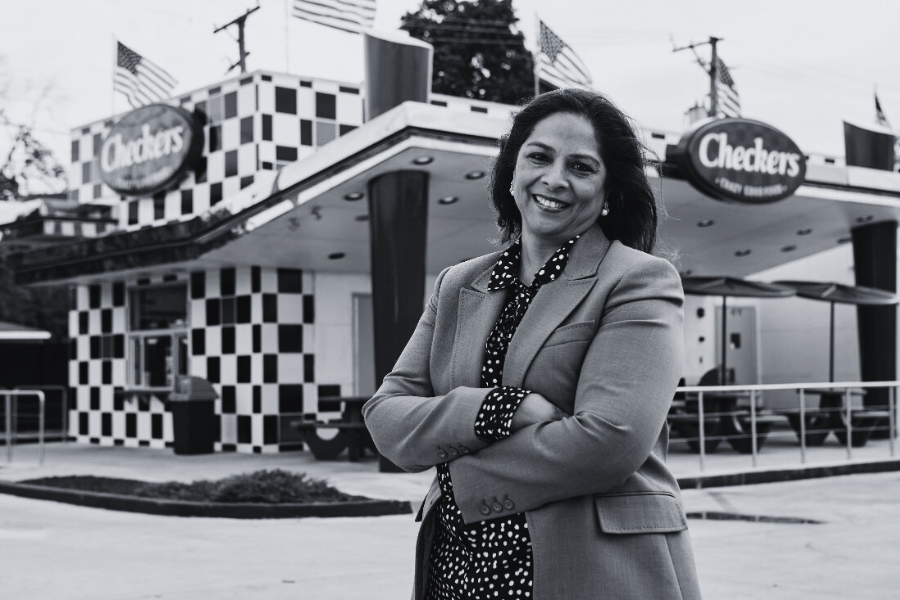
Checker and Rally’s is as all-American as the NASCAR races its iconic checkered flag design evokes, serving up hot dogs, hamburgers, and milkshakes since 1986. A Checkers & Rally’s franchise comes with an initial investment cost of $640k–$2.7M. And with a significant return on investment, there’s plenty of room to grow.
Learn more about Checkers & Rally’s and download a full franchisee satisfaction report here.
2. Pizza Factory
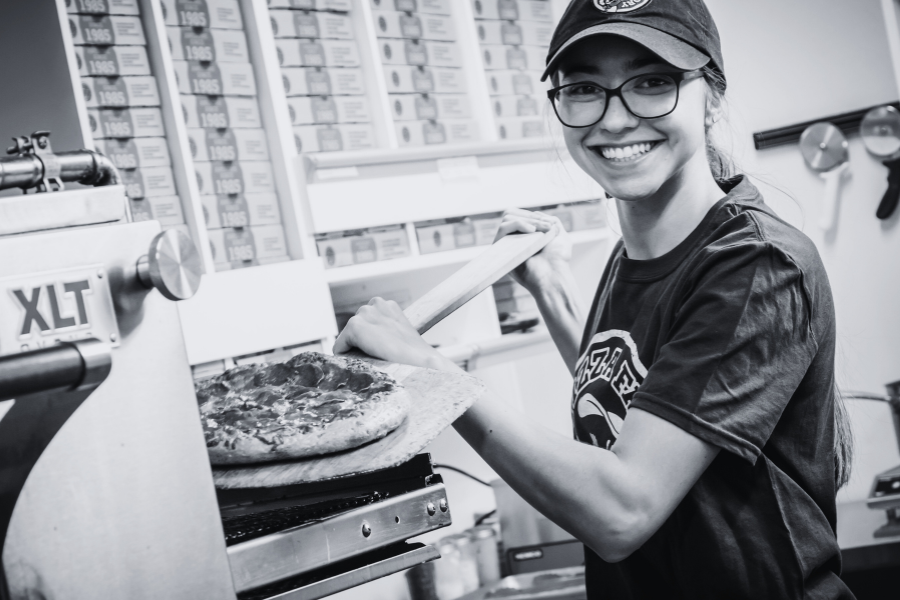
When Friday rolls around, and everyone is exhausted from a long week, pizza is what’s for dinner. Pizza Factory offers a family-focused and welcoming atmosphere and has over 100 locations. It’s an FBR award winning franchise brand with a required initial startup investment between $323,000 and $740,000.
Learn more about Pizza Factory and download a full franchisee satisfaction report here.
3. Culver’s
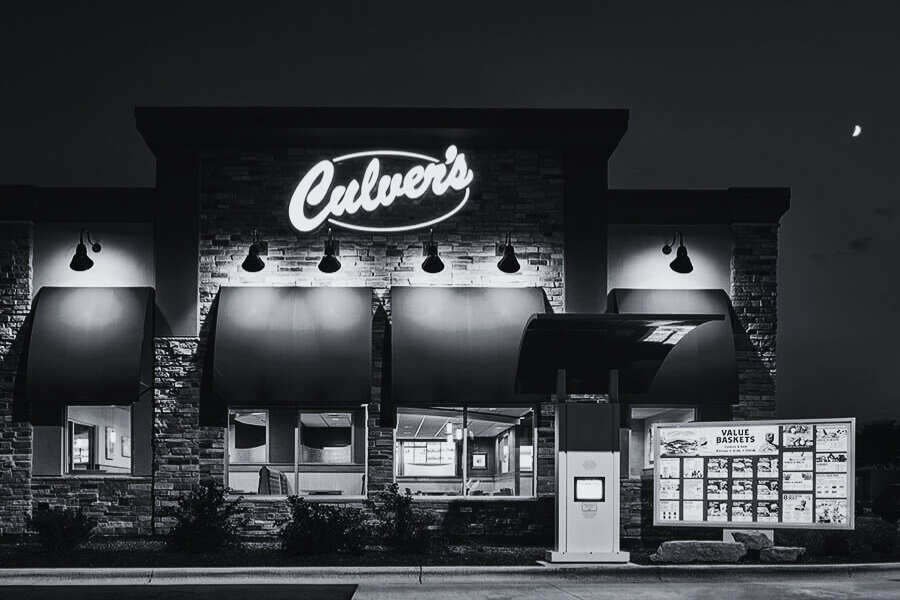
Home of the butter burger, among other Midwestern classics, Culver’s has been serving up mouth-watering fare since 1984 and franchising since 1990. With sales quadrupling over the past decade, it’s easy to understand why Culver’s is an exciting option for those willing to dip their toe in the fast food franchising world with a brand that offers more of a hometown feel than some of the heavyweights.
Learn more about owning a Culver’s franchise.
4. Wendy’s
As one of the most recognizable fast food brands in the world, Wendy’s is on par with Burger King when it comes to brand recognition and advertising campaign visibility. (Who can forget the iconic, “Where’s the beef?” ads?) The average Wendy’s restaurant generates approximately $1.96M per year, according to 2025 franchise disclosure figures, making it a competitive alternative to Burger King.
Learn more about owning a Wendy’s franchise.
5. Wayback Burgers
Started in 1991 and franchising since 2008, Wayback Burgers is known for its signature burgers and nostalgic atmosphere. With over 180 locations in 35 states, they tout consistent year-over-year franchise system growth, even in economic downturns. With their strategic approach to expansion to ensure franchisee success, Wayback Burger is an alternative worth exploring.
Learn more about owning a Wayback Burgers franchise.
Get Your Franchise on a Roll
Before deciding to open a Burger King franchise location, make sure you fully understand the financial requirements, as well as the day-to-day responsibilities of running such an establishment. No franchising decision should be made lightly, and you should take care to consider all of the franchising opportunities available to you—starting with the brands with the highest franchisee satisfaction ratings. From conducting market research to talking to current franchise owners, leave no stone unturned when evaluating your options so you can move forward with confidence.