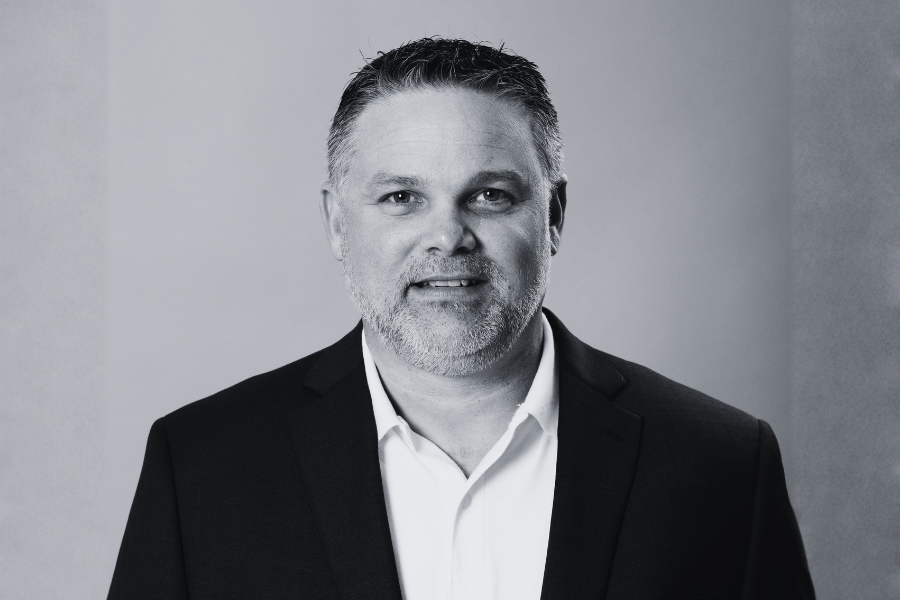


Watch this 30-minute conversation to hear the story of 2 very successful multi-unit Mathnasium franchisees. They started as single-unit owners in 2017 and now own 6 locations. Learn about the life of a multi-unit Mathnasium franchisee.
Watch the Conversation
More about the Mathnasium Franchise Opportunity
Mathnasium is a highly transparent franchise brand. They survey their franchisees yearly to gather feedback about how the franchise system serves its franchisees. They also share their reports so that anyone can see their franchisee feedback. If you’re thinking about investing in a franchise, check out some of their data:
- 91% of franchisees agree that they enjoy operating this business.
- 85% of franchisees agree that their fellow franchisees are supportive of the brand
- 84% of franchisees agree they enjoy being a part of this organization.
Mathnasium also appears on many of our lists. From the data we collect, we put together our “Top” franchises by category. These are the lists Mathnasium made just this past year:
- Top 200 Franchises
- Top Franchises for Culture
- Most Innovative Franchises
- Top Franchises for Women
- Recession-Resistant Franchises
- Top Franchise for Veterans
To learn more about franchise opportunities with Mathnasium, call 888-763-2604 or visit http://mathnasiumfranchise.com.
Transcript
Allison Dudas (00:00)
Hi, this is Allison Dudas and I am in the marketing department here at Franchise Business Review. And part of my role is getting to talk to franchisees to help tell their story so that people like you who are watching get an understanding of what it’s like owning a franchise. Today, we’re giving you a behind the scenes look at what life can really look like as a Mathnasium franchisee. And we’re doing it through the story of two incredible multi-unit owners, Derek and Jillian Pipkorn
If you’ve ever wondered how franchisees go from working every shift themselves to running multiple thriving franchise locations with real-time freedom, then you’re going to love this conversation. Derek and Jillian launched their first Mathnasium Learning Center in 2017. At the time, Derek was working full days at the center and Jillian supported in the background as she kept her full-time marketing job. Fast forward to today, they own six locations across the greater Milwaukee area.
lead a team of nearly 90 employees and have built a business that aligns with their values as parents, leaders, and members of their community. So we’re going to explore what a typical day looks like for them, how they design their business around flexibility, the power of hiring the right people, how they navigate working together as spouses, and the culture that they’ve intentionally built so that keeps their team engaged and their centers thriving. So whether you’re thinking about owning one center or dreaming of multi-unit growth,
Their journey is an inspiring look at what’s possible with mathnasium. Let’s get to it. So thank you so much, Derek and Jillian, for joining me today.
Derek Pipkorn (01:36)
Thanks for having us.
Jillian Pipkorn (01:36)
Thanks for having us,
Allison.
Allison Dudas (01:38)
So for people who don’t know your story, ⁓ can you share a quick snapshot of your journey? So how you went from opening your First Mathnasium in 2017 to now running six centers.
Derek Pipkorn (01:52)
Yeah. So I used to be a public school teacher, more specifically middle school math for about eight years. And, you know, I actually looked into mathnasium a couple of different times, probably my early to mid twenties. Wasn’t ready for something like that. But around 2017, it was the winter of 2017 and here in Wisconsin, it’s cold and we just hang out inside. And so I decided I’m just going to take a couple of months and research this and kind of make a plan for it. And Jill and I both agreed it was the right fit. So I.
Jillian Pipkorn (02:13)
You
Derek Pipkorn (02:22)
I quit my job, we opened our first center in 2017 right in our own community, less than a half block from our house. So that’s how it all got started.
Allison Dudas (02:32)
That’s pretty great. I love that it was close to your house too.
Jillian Pipkorn (02:33)
Yeah.
We could see it out our front window, honestly. But to Derek’s point, I kept my full-time job and really was that kind of support role. ⁓ And he just kept saying, if there’s any red flags, we’ll take a pause. But really it wasn’t, ⁓ and just trusted that this was going to work.
Derek Pipkorn (02:36)
Yeah, it was cool. It was great.
Allison Dudas (02:55)
That’s great, and I’m sure you felt that, like, we’re in it together thing. Yeah. So, Derek, what initially drew you to Mathnasium? Was it the math? Was it, you know, tutoring, working with kids?
Jillian Pipkorn (02:58)
Absolutely.
Derek Pipkorn (02:59)
Mm-hmm.
Yeah, I mean, it was really for me, it was the perfect blend of my two passions with this match math education. And, you know, I got my master’s in educational leadership. I almost went the path of being a principal, decided that wasn’t the right fit for me. So it was between either mathnasium or actually going even further and getting my Ph.D. in math education. But I’ve also always just had that entrepreneurship blood in me. I owned a business in college. You know, I’ve just always been thinking business. I knew one day we were going to own our own business. I didn’t know what it would be.
And so I never looked into any other franchises. I wasn’t comparing things. It was only Mathnasium because I’ve always been a math kid. was on math teams as a kid. I love math. I taught math. And so Mathnasium is the only math-only learning center. So I knew it was the perfect fit.
Allison Dudas (03:56)
That sounds like it was really kind of the best and only option for you. So when you opened the first center in 2017, what did your day-to-day actually look like?
Derek Pipkorn (04:01)
Exactly.
Yeah, man, that’s changed a lot. well, some of it was we had delays opening our first center, like pretty much anyone opening, I think, their first location. We had all sorts of delays. We thought we’d open in August. We ended up opening in December. So, you know, the first six months for me was really just getting the brand off the ground, building awareness, doing marketing, learning all the things. But once I got into it and we opened up, ⁓ you my day really looked like my mornings were pretty much marketing. I’m at home from what’s called eight to noon.
just getting the word out, trying to email schools, principals, just get people to know who we are, because no one knew us yet. We were still very new brand in the area. And then I’d get into the center around noon, and I’d probably be there till 7.30 or 8, depending on. So I mean, was long days, but it never felt like it. Didn’t really feel like work.
Allison Dudas (04:54)
you tutoring or were you more overseeing some of the tutors that you hired?
Derek Pipkorn (04:59)
Yeah, I did a little bit of both. I think it’s important for us to like get in and one, I obviously like teaching. So I was always able to jump in. I was then able to kind of coach my instructors as they got started. So, you know, kind of playing that mentor role overseeing everything, but really my job, I always say at Mathnasium, you kind of have your own like little mini principal. It’s like your own little school. So I really was just wearing all the hats, right? I’ve got to make sure the instructions are right, but I’m also shaking hands and kissing babies at the door and getting more people in.
Jillian Pipkorn (05:22)
Thank
Allison Dudas (05:29)
Right, and that must have been kind of intense for you, Jillian, because those are long days. ⁓ So what was that like for you when he first opened?
Jillian Pipkorn (05:37)
They certainly were. ⁓ So at that time I was in a corporate marketing role and so we would leave, I would leave in the morning and wouldn’t really see him until kind of late at night. ⁓ We didn’t have yet, we hadn’t started a family yet. those, ⁓ you know, that first year was certainly…
I don’t want say no big deal, but I just kind of let it be that those hours were what they were. And it really wasn’t until we were expecting with our first daughter that we started talking about, do you want to be at the center every night until eight o’clock? Or do we start to delegate? Do we start to think about leveraging the team in a different way?
Allison Dudas (06:13)
Right, now when Derek, when your first child was born, were you able to step away at all? Or did you just have to keep working? What was that like?
Derek Pipkorn (06:21)
⁓ yeah, I want to say, I think I took a week maybe, ⁓ off again, it’s right down the block from us. So I’m probably, you know, I’m checking in and, know, you’re still involved in checking emails and things like that, but yeah, probably like a week off, but that was, that was such a pivotal moment for us. ⁓ cause to what Jillian just said, like that’s where I had to learn to delegate and, ⁓ actually learned that I liked delegating and can kind of prop up my team and build them into leaders by allowing them to.
Jillian Pipkorn (06:27)
you
Derek Pipkorn (06:50)
to do some of things I was doing. And I quickly learned that the place didn’t burn down when I was gone for that week and came back and was maybe even better than when I left it.
Jillian Pipkorn (06:56)
Ha ha.
Allison Dudas (07:00)
think that’s such a great lesson for business owners to learn because I imagine it’s so hard to let things go. You want things to go your way. And sometimes being forced to delegate, like after the birth of your first child, you’re like, this person’s actually pretty good at this, maybe better than I am. But it’s freeing to your point. It’s absolutely freeing. What were some of the first tasks or responsibilities that you realized you needed to delegate?
Jillian Pipkorn (07:15)
Sure.
Derek Pipkorn (07:18)
Mm-hmm.
it
Yeah, I started small. ⁓ Small as like I tried to get almost everyone on my team, tried to give them some sort of task, something that they can kind of own. So I’m talking, you know, from sharpening pencils to printing out the assessments we give to our students. mean, I would find an instructor, a high schooler that would do take care of that. And then, you know, from answering phone calls to meeting with parents. ⁓
Jillian Pipkorn (07:38)
you
Derek Pipkorn (07:54)
At that point, you know, I just picked different individuals. think I paired them up so they could collaborate or they’d have like a partner if they needed it. ⁓ But basically anything and everything, including, you know, getting keys to the right people’s hands, it’s obviously important to open the doors, ⁓ getting them access to the phone or texting. I just kind of picked everyone and got the whole team involved, which I think is, you know, made it a lot easier than just saying, here’s one person that’s going to take over my role. It was a dozen people that did it.
Jillian Pipkorn (08:07)
Thank
I just think too when I think back to what you were delegating, Derek was really great at leveraging people’s strengths too. So you might not put a high schooler in front of a parent whose child is enrolled at the center, maybe somebody who’s got a little bit more established, great at communication, that kind of thing. So just leaning into their strengths and knowing each of them individually.
Allison Dudas (08:43)
Right, and I imagine that, you know, I think about your background, Derek, as a teacher, and I feel like what a transferable skill, because you have to be able to see your students’ strengths, and then now, there still high school students, some of them, that you employ, but being able to see strengths and empower younger people or people who are less senior than you are in the role, ⁓ seeing that as a very transferable skill. So when did you open your second location?
Derek Pipkorn (09:09)
Yeah.
Yeah, so we opened the second one in August of 2019. So our daughter Lucy was born November of 2018. So that really kind of got the ball rolling. So I think I signed the franchise agreement in let’s call it April of 2019. You know, so I’m getting the lease set up. So only a few months after she was born. Again, it was one of those like, man, this delegating things fun. Let’s go open up number two. And number two, we opened in an area where I used to teach. So I already had some connections. I had left that school district.
Jillian Pipkorn (09:32)
You
Derek Pipkorn (09:41)
prior to opening this first center. so, yeah, 2019, we hit the ball, you know, hit the ground running right before everything shut down a few months later.
Allison Dudas (09:50)
Yes, I know and we’ll get to that because that’s an interesting aspect of the Mathnasium story to be sure. So when you opened your second location, what happened to the first one? How did you, how were you in two places at once or were you not? Thanks to your new love of delegating.
Derek Pipkorn (10:02)
Yeah,
yeah, I was not. No, I realized we’re going to open up number two, I’m going to go run that one again, because I had some connections. Number one was already pretty well established. Again, had a good team, I didn’t have the right, I didn’t have the person yet that wanted to run it fully. I think I had an assistant that I wanted to move up into that role, but he wasn’t ready for it. So
You know, started calling around and actually, you know, found a guy, his name is Paul. He’s actually a Mathnasium owner himself right now, but at the time we had connected because we did this Math Night event at his school. He was a PTA leader and he’s like, yeah, I’d be interested in that. And so he came on in May of 2019, started kind of training with me, shadowing me for two months. And then I handed it over to him and I went and took the month of July to run and open up the new center. And next thing it was me and him running the two.
Jillian Pipkorn (10:34)
Thank
Allison Dudas (10:54)
Wow, and then was it like a domino effect? Like after that where you’re just like, let’s go for the third, let’s.
Jillian Pipkorn (10:58)
Thank
Derek Pipkorn (11:00)
Hmm.
Yeah, well, the way that all worked was, you know, we got number two, and number two started off really strong. ⁓ Again, probably the connections I had in the community. Yeah, that was that was helpful. already had families referring others, you know, before we even open our doors, which is just kind of rare, ⁓ you know, unless you know some people. So started off strong. And I would say within I think about four months in, it was January of 2020. So before COVID hit, ⁓
Allison Dudas (11:08)
well, especially with your connections.
Derek Pipkorn (11:25)
I actually connected with another local owner. had two centers and I said, Hey, would you be open to selling one of them? At the time she said no. Um, then obviously after COVID hits, I think it was June or July, I a text from her and says, okay, think we’re interested now. So I had planted that seed six months earlier. She came back around to it. And so, yeah, then it was, I think October of 2020, um, when we took over the third one and then soon after bought the rights to our fourth. So we opened our Heartland center and, uh, I think it was May of 21.
Jillian Pipkorn (11:54)
you
Derek Pipkorn (11:54)
So
we added a couple basically in the heart of COVID.
Allison Dudas (11:58)
How? And that’s so interesting because I would imagine for many people in business, COVID was obviously a time where a lot of businesses were flailing and struggling. What made your center, your Mathnasium Center, not experience that? It sounds like instead you were thriving.
Derek Pipkorn (12:15)
Yeah, COVID was weird because I always say like, it actually, it was good for us in lot of ways because parents needed the support for their kids, right? When it came to everything in terms of math. We also were somewhere you could go in person when they were used to virtual. So we definitely had some ups and downs there, but we went all virtual. So that’s how we kind of figured it out. We were able to maintain a majority of our families to be able to support them from home, which was phenomenal.
And I think that’s what just kind of helped us grow. And I think part of also getting those other centers, obviously the third center we got from that other owner, COVID hit them pretty hard. So why not make it easier on them to go down to one so we were able to buy the third? And I think our fourth location where COVID helped is, because some businesses were struggling, that opened up a valuable retail space that we were able to lease in a location I loved because the business wasn’t able to pay rent. And so…
we were able to move in and get some favorable terms during COVID.
Allison Dudas (13:14)
That’s interesting. now, correct me if I’m wrong, but you have two children. So when did you give birth to your second child? Was it during all of this, Jillian?
Jillian Pipkorn (13:24)
So when ⁓ Derek went to open number four is when I was expecting with our second daughter. And it was just an interesting time. got through, like we’re in the midst of COVID still. And we had our really kind of just sat down and said, what would it take to make this work for our family? We knew we wanted to, at some point, we would work together in a business, if not this one. And so. ⁓
started talking about what would it look like if I joined the team full time. some of these decisions, feel like, don’t make sense together. You’re having a kid. You’re quitting your job. Like, the stability there. ⁓ But we made it work. Yeah. So then in June of 21, ⁓ when I was expecting, ⁓ came over and opened, I think my first month was the grand opening of our fourth location. Yeah.
Derek Pipkorn (13:55)
You
Allison Dudas (14:09)
Wow, that’s just all crazy
timing. And I’m sure there were parts of you, like you said, that felt nuts. obviously, a great decision. And certainly amazing with your marketing background and coming in. I’m sure you brought so, so much to the business. So Derek, what was that like when Jillian came in? What do you feel like she initially brought to the business?
Derek Pipkorn (14:12)
you
Jillian Pipkorn (14:16)
Yeah.
Derek Pipkorn (14:33)
Yeah, I mean, I’ll say it was kind of tough at the start. The reason it was tough is because I had the ultimate trust that she was going to be amazing at this. I just want her just to go and just do it and just start, right? And just run with it. And I think at times, Jillian would even say she probably got a little frustrated with me because I would just be like, just do it. Just figure it out. Like, I trust you. And she needed more coaching or like, how do you typically do it? Because I’ve been running it for four years at that time.
Jillian Pipkorn (14:47)
Yeah.
Derek Pipkorn (15:02)
⁓ But yeah, I mean, she brought she brings this level of professionalism. mean, coming from this corporate world and marketing and doing things at such a high level, you had me who is just figuring it out. And I enjoy marketing. I’m you know, we’re both good at that. ⁓ But she just was so much more buttoned up. Just just her organization skills. She’s leveled us up so much over these past four years that, again, we figured it out before. But now we’re doing it and we’re way more legit.
because Jillian’s on.
Allison Dudas (15:33)
Oh, I love that. I love that. And it makes me laugh that like your new love of delegating was almost like a source of contention. Just you’re like, no, I’m really good at delegating. You can just do this, go. And Jillian’s like, give me a little more.
Jillian Pipkorn (15:35)
kind.
Derek Pipkorn (15:41)
Yeah, so true.
Jillian Pipkorn (15:42)
you
Totally.
Derek Pipkorn (15:49)
Yeah.
Jillian Pipkorn (15:49)
You know, and coming from like having a big team to now I am the team. ⁓ That was humbling, I have to say, like just very different from developing the strategy and then leveraging an entire team of marketing experts to go and execute that. Now I was, I was the team and I didn’t work in the education space either. So there was a learning curve ⁓ for me. And just again, permission to in the world of entrepreneurship, to put things out into the world that feel.
Allison Dudas (15:54)
Yeah.
Jillian Pipkorn (16:18)
good, that might not be perfect, and that’s okay. So there was a little bit of a learning curve there for myself.
Allison Dudas (16:24)
So once you opened your third and then your fourth center, when did you start to hire the people that I know that probably are still with you now who are kind of your right hand? ⁓ When did you find those great hires that allow you to step back?
Derek Pipkorn (16:43)
Yes. So when we opened our, when we bought that third center, that’s when I made the decision that I’m no longer going to run a center that I were going to hire three individuals. So we call them center directors and then I’m going to play kind of that regional role. And so that was the, you know, the third one in late 2020. ⁓ And then I think basically what we saw is Ali. So Ali is our director of operations. When she was that center director, we brought her in. ⁓ I quickly just noticed she had some skills that
were a great fit beyond the center director role that like things that I was missing, know, Jillian probably shouldn’t focus on because she’s doing marketing. And so ⁓ pretty quickly after we got that fourth center up, we moved Ali into this role. And really just another way for her to be a support for our team. And that’s a theme that we’ve continued. We always want our center directors, our entire teams to feel like they have ultimate support, you know, that they can go to anyone, answer questions.
know what best practices are. And so yeah, we moved her into that role and then that’s kind of what helped us move into, you know, centers number five, six, and there was a seventh, but now we’re back to six and that was, yeah, a years ago.
Jillian Pipkorn (17:51)
you
Allison Dudas (17:55)
great. So just hiring people that you can trust seems to be everything and obviously to that end culture seems to be a major priority for you and how how would you describe ⁓ your culture across your employees?
Jillian Pipkorn (18:12)
I would say collaborative, ⁓ a culture of celebration too, that there’s like a healthy dose of competition, but really it’s just supporting one another. so, yeah, we stay connected. It’s interesting because with these multi-units, each location has a center director. So they’re not seeing each other in person day to day, but we find it really important for them to have that peer network.
And so finding moments, whether it’s virtually once a month, we try to get everyone in person to develop those relationships and their professional development as well.
Allison Dudas (18:48)
So you’re trying to about once a month, is it all the employees that are meeting once a month or is it just the leadership team?
Jillian Pipkorn (18:57)
Great question. So we, once a month in person, is with our leadership team and then weekly, virtually, with that leadership team. ⁓ This past, I guess it would have been this past summer, did do our first kind of all team. So invited all of Team Pipkorn, all 90 employees to a team outing. Just again, fun social type of event, just to get people even from our different locations to recognize that they are part of something even bigger than their own location.
Allison Dudas (19:24)
Right, and because your centers aren’t super far away from one another necessarily. So it does make sense that you could be able to build a community. Do you have, this is a more logistical question, but do you ever have employees, you probably call them tutors or teachers at each different center, move across the centers? Like if you need a shift cover, do you take somebody from Heartland and move them? How does that work?
Jillian Pipkorn (19:30)
them.
Derek Pipkorn (19:49)
Yeah, we do some of that. I think we can do a better job with that, if I’m being honest. yeah, especially if we’re mainly in need, there’s an emergency. This person’s out for whatever reason, or it’s just super busy. Can someone come over here? Because I had someone call in. We’ll commonly do that across our centers, which is great. But that’s kind of the beauty of the multi-unit ownership is that we can just share those employees across each of the centers.
Jillian Pipkorn (20:11)
Mm-hmm.
Allison Dudas (20:17)
Would you be willing to talk about the seventh location and then the subsequent closure of it?
Derek Pipkorn (20:21)
Hmm.
Yeah, absolutely. So I guess just to get to seven. So we after we open that fourth center, we had the rights to buy we bought the rights to open a fifth and sixth center. And that’s what’s happened. I see our fifth center opened on the same day that we bought that. Because you can jump to seventh center that other center, which is really our sixth center.
The same day and so we had that center for two years and again, it was a similar thing. There was an owner, you know, just one center at the time. Went out to dinner with him, put a bug in his ear of hey, if you ever want to sell, let me know. original reaction was, yeah, I’m like 10 years old, you know, I’ll sell to you. He didn’t, he just kind of put me off. I got a text from him on Monday, you know, the Thursdays. He’s like, okay, yep, let’s do it. And so, you know, we started that conversation. It was pretty smooth. You know, I’ve always heard this idea that franchisees want to sell to other franchisees.
is just so much easier if we’re in the same system. We already know everything. ⁓ So yeah, we took that one on. We had a lot of change early on with just leadership there. We struggled to find the right person to run that center, ⁓ which we don’t know if that’s why. It just didn’t really grow. It wasn’t necessarily next to our other center. It wasn’t far away, but it wasn’t like complimentary, like next door to another center. It just felt like a little bit of a different community. And so after two years, it didn’t really see a ton of growth.
Even, and it was one of those things we just say, we’ve only got 100 % of our energy to give and we’re dividing it by seven. What if we divided it by six? Can we take that from that seventh one and put it, you know, put a little bit more into the others? And so that’s why we decided to, to sell it, ⁓ to technically a new owner. He was a Mathnasium dad in the area. and overall it’s been the right fit for us. And it’s just allowed us just to hone in on these, these six and really, and they’ve seen growth since that sale.
Allison Dudas (22:11)
That’s great. I think it’s a really important aspect of your story that there are ebbs and flows along the way, right? Isn’t just this like beautiful, perfect growth that happens, but there are moments of, well, actually, maybe not. ⁓ Or, you know, we started with hiring this person, but maybe they weren’t the right person because that’s, mean, hey, that’s business ownership to be sure. All of those kind of ups and downs. ⁓ So just kind of getting to the meaningful aspect
Jillian Pipkorn (22:18)
Mm-hmm. Yeah.
Derek Pipkorn (22:19)
Ahem.
Allison Dudas (22:41)
of your work. So obviously the way that you talk about the people that you work with, the kids that you’re supporting, what feels the most meaningful about the work that you do today as a Mathnasium franchisee?
Jillian Pipkorn (22:55)
For me, ⁓ really it’s the mission and it’s the confidence that we see in our kids. So not spending every day, all day in one of our centers, but from a marketing standpoint, I’m constantly looking for those stories that our center directors share with us. The photos and ⁓ the stories behind them that we can share outwardly, but those are like the feel good moments for me personally. I would assume Derek would agree, but he might have a different answer.
Derek Pipkorn (23:22)
I mean, yeah, of course it’s the kids. The kids is like the easy go to, right? Of like, yes, seeing the growth out of them, 100%. I think the other side of it is the parents and our employees. ⁓ And the parent side is we get to see the reviews. We have tons of Google reviews, all five stars for our centers. just the most genuine, authentic, like the things they’re saying to us of how we’ve taken their child from hating math to loving math.
Jillian Pipkorn (23:44)
you
Derek Pipkorn (23:50)
And what I know that really means is that the stress at home has gone away and the tears have gone away. And so to me, that’s huge for us because they tell other parents that helps us grow our business. And then the employee side, I mean, it’s just been cool to see people grow within our organization and been with us for years, just learn to love the job, the role, and our ability to support them and grow them as individuals, as professionals. ⁓
you know, that’s because our focus is more of the employees at this point than it is, you the students in our roles, or at least for me. And so that’s, it’s great to see that growth and how far they’ve come.
Allison Dudas (24:32)
Yeah, it’s interesting that you’ve gone from being a classroom teacher cultivating a positive culture in your classroom to now it’s more your focus of cultivating a strong culture among your employees. ⁓
Yeah, and Jillian, I so relate being in marketing myself, seeing those stories, wanting to tell those stories about these kids. And it’s everything. I’m a parent as well. helping kids see themselves as learners and successful learners is transformative, absolutely. And I know, I think your oldest is actually, she goes to Mathnasium now, right?
Jillian Pipkorn (25:07)
She does. Yeah, our older daughter Lucy is in first grade. She’s been there just over a year, started when she was in kindergarten. And now to experience our own brand and our own process from the parent side has been so rewarding. Our team may find it a tad annoying where we’re constantly like, you, know, pointing out different pieces of the process, but it’s really helped sharpen, I think, our customer experience overall because of that. ⁓ We’re like the not so secret shoppers.
Allison Dudas (25:35)
Yes.
Derek Pipkorn (25:37)
And I’ll even say like one, we made a pretty significant change in our business just because we realized there was a pain point when we enrolled Lucy and it was we used to be scheduled. So you’d have to schedule your sessions, go online, schedule it, which is very easy to do. But I didn’t like doing that. I’m like, I don’t want to have to go online and do that. And so pre-COVID, most Mathnasiums used to be 100 % drop-in, which is just like the biggest selling point for families. So that’s what we’re at. We switched to that within a couple of months.
Jillian Pipkorn (25:43)
Mm-hmm. Yeah.
you
you
Derek Pipkorn (26:06)
⁓ People can just literally walk in the door. We’ve got our instructors are ready to teach them and so we did that because honestly I didn’t I didn’t want to schedule and so And we told the parents that too like we’re parents. We’re Mathnasium parents now. We’re we’re gonna make it easier on everyone
Jillian Pipkorn (26:21)
Yeah.
Allison Dudas (26:22)
love that. That’s a great story. ⁓ So just obviously we know that from the get-go, know, Derek, you were working 8 a.m. to 8 p.m. Now I’m curious, what’s the daily life like for you? Let’s start with you, Derek, and then I’m interested to hear from you too, Jillian. What’s it like now?
Jillian Pipkorn (26:43)
Yeah.
Derek Pipkorn (26:46)
Yeah, it’s definitely a lot different. And to what we said earlier too, part of it is just having the girls, know, we want to be able to drop them off at school and daycare and then pick them up to go to swim or Mathnasium or whatever. Right. So, you know, for us, that’s usually by eight 30, we’re, we’re back from dropping them off in the morning. And then, you know, by sometimes four to five ish, know, getting them ready for dance or whatever. So we keep that window pretty tight.
At the same time, things pop up. Like, Jillian’s doing this pretty cool Christmas Santa event tonight, right? And I’ll watch the girls at home. Like we, you know, or we have a math night at school. I’ll go to that. Jillian watches the girls. So like we do that from time to time. ⁓ But I gotta say, a really big part that’s changed the day just to set up kind of our day in the life is we made a really significant hire about a year and a half ago and Angie, she’s our managing director. And so she really is the one that now supports ⁓ all of our center directors, all of our teams.
she has given us the ability when there’s the fires that pop up, issues, random people that called in or whatever, she takes care of it. And she’s doing things at such a high level that allows us to truly step back and be the owners that we wanna be and allow this lifestyle. ⁓ And so just to get into the quick of what that day looks like for me, really my morning typically is, ⁓ I’m diving into the numbers, the data. ⁓
You know, I try to spend about an hour and a half each morning, just kind of getting into the weeds of the business. ⁓ You know, a big part of my role is more the accounting, the financial side, making sure everything’s in order, making sure every bill is paid. ⁓ I’m also dealing with anything, you know, with six locations and leases. That means we’ve got six HVACs where issues pop up, doors that break. That’s typically me, you know, talking to the landlords, property managers, contractors, all that. ⁓ And then my mornings, it’s been nice. I try to always, I like to work out.
Jillian Pipkorn (28:25)
Thank
Derek Pipkorn (28:37)
kind of mid morning, so I give myself time to go do that. And then if we have any sort of meetings, team meetings, I try to schedule that or we have those really kind of around noon when our center directors are getting in. ⁓ And so really that noon to three time is available. If you need to pop into centers to go talk to someone or check in or drop something off, have a meeting. And then again, by four o’clock, our centers are rolling at that point. They don’t really need us necessarily. And so that’s when we can step out and kind of do our family stuff from there.
Jillian Pipkorn (29:01)
you
Yeah, I think from my, just to reiterate what Derek was saying, like really talking about what do want this season of life to look like. And so we did have a phase where it was stressful. We were at the dinner table fielding calls and trying to do all of that. And so with the addition of Angie, it’s freed up those evenings to really like spend as a family. For me, just being in the marketing community, school outreach perspective, my days look very different every day. So a lot of
A lot of email outreach, sometimes I’m dropping things off at schools, sometimes I’m shopping for those things. So every day looks a little bit different. But I also recognize that my most productive times just as an individual are different than Derek’s. And so I had a mentor. ⁓
back in my corporate career who always said it’s not necessarily work-life balance but work-life integration. And so if that means that at 9.30 at night I have a burst of energy and I need to tackle this thing, like that feels good to me and that’s okay. And I do that. And if that means that at one o’clock I want to go take a walk in the neighborhood, I go do that. So just finding that flexibility and yeah, a little bit more integration. So just trying to not be so separate with everything.
Allison Dudas (30:22)
Yeah, and such a change from your previous position in corporate world.
Jillian Pipkorn (30:24)
Very different.
Derek Pipkorn (30:26)
you
Allison Dudas (30:28)
from like really rigid to a lot more fluidity. Thank you both. ⁓ Okay, so I love what you said just about work-life integration and obviously especially when you have two kids at home, time is your biggest currency, right? Certainly making a livable wage is very important but time, time is right up there with that. ⁓ So it sounds like you’ve really gone, I Derek you went from working probably 60-70 hours a week on the business and
Jillian Pipkorn (30:29)
Mm-hmm. Yeah.
Allison Dudas (30:57)
or in the business, I guess I should say. And now it sounds like it’s quite a bit less and it’s more on the business and more strategy, ⁓ which is really from, I get to talk to candidates for people who are considering buying a franchise. I get speak to them sometimes and that’s kind of the dream, right, is owning a business but not having to grind in it every day. ⁓ So it sounds like it’s this effort of hiring the right people like Angie and Ali
Derek Pipkorn (30:59)
Mm-hmm.
Jillian Pipkorn (31:00)
You
Allison Dudas (31:27)
and all of the center directors that you have and making some good strategic decisions over the years. But wow, mean, y’all have come a really long way since 2017, it sounds like.
Derek Pipkorn (31:41)
We have, and I’ll tell you too, that was never the plan. this lot of, you know, I know people get into this and like, I’m going to build this empire. Like, no, our plan was that I was going to go open number one and we were going to do number one really, really well. And that was it. There was no number two, like from the start. So again, having Lucy got us thinking, we can keep going. ⁓ So where we are today is, yeah, I mean, it’s really a dream, but it wasn’t the plan from the start.
Allison Dudas (31:44)
Hmm.
Jillian Pipkorn (31:45)
It’s true, could have started there.
Allison Dudas (32:11)
Yeah, and it wasn’t the plan. also didn’t happen overnight, right? ⁓ It sounds like it was it was years and all the while so much of life was happening alongside you from having babies to going through a global pandemic. mean, lots of things were going on as you all were building your business. ⁓ And it’s such a it’s such an inspiring story. I’m curious, what are you most excited about for the future of your centers? Like, what do you see? What do you hope for?
Derek Pipkorn (32:14)
Absolutely not.
Jillian Pipkorn (32:16)
it.
Mm-hmm.
I’d say right now we are in optimization mode. So we have these six. Over the last several years, our goals have changed. We talked about the ebbs and flows. So right now, we don’t have immediate plans of let’s open number 789 and focusing there. We are focused on our current team, focused on our current locations, and how can we just make them the best that they can be? ⁓ So really, that’s what energizes me for 2026 is really, let’s just focus on what we have.
Yeah, crush it.
Derek Pipkorn (33:13)
Yeah, to Julian’s point, this,
at the start of the year, we do a thing called ⁓ like ⁓ a vision day. And I kind of set the tone for the year and then everyone kind of runs with that and sets their own vision for the year. And we really leaned into the Jim Collins book, Good to Great, and recognizing that like we’re a really good company, but we’re not great. We’re not there yet. And the idea of the flywheel and all the pieces that go into making a great business and
What I keep thinking is like, we’re knocking out of the park, like eight out of the 10 things we probably need to do to be really, really good or great. And it’s those other two that like, let’s get there. And I think that’s what we’re going to focus on in 26 to, again, just continue to grow, to continue to just kind of push through that ceiling that we’ve never seen before. And again, as you mentioned before, culture is just so important to us. And again, that’s where Angie really comes in and just want this team just to continue to feel like they’re part of something bigger than just their center.
⁓ And we know if we win, they win. When they win, we win. It just works hand in hand.
Allison Dudas (34:20)
I love that. sounds like it’s going to be, it’s 2026, it’s going to be a really great year. Well, I want to…
Derek Pipkorn (34:26)
There
it is.
Allison Dudas (34:27)
to conclude with just a little bit of the data that Franchise Business Review has from Mathnasium. So, Mathnasium actually surveys their franchisees yearly to figure out like how they’re doing. you know, at our heart, FBR, we are a third-party market research firm. We collect data. We love data. So, when we survey Mathnasium franchisees, a lot of interesting things come up and I’ll give just a few data points. So, 91 % of franchisees agree that they enjoy operating their
their Mathnasium Learning Center or centers. 85 % of franchisees agree that their fellow franchisees are supportive of the brand, and 84 % of franchisees agree that they enjoy being a part of Mathnasium in general. And even just with all the data that we collect, so we ask a bunch of questions about everything from like financial opportunity to training and support to leadership to core values to franchisee community. ⁓ With all the data that we collect, we ⁓ organize
franchise brands on different lists and Mathnasium makes a ton of our lists. So just this year they’ve made top franchise for culture, top franchises that are recession resistant, top franchises for women.
a most innovative franchise, a top franchise for veterans, and then of course our top 200 franchises overall. So a lot of accolades for Mathnesium from FBR. So I just wanted to make sure and say that. Okay.
Yeah, I know it is really cool. It is really, cool because nobody can pay, no brands can pay to be on any of these lists. So Mathnasium’s on there organically. They’re on there honestly. ⁓ And it’s really great to talk to franchisees like you that can really attest to why they’re on there. Well, thank you both so much. It’s really nice to connect with you and just hear more about your story. And I’m really excited to hear what the next year holds for you.
Jillian Pipkorn (36:02)
Okay.
awesome.
So thanks, Allison. Thanks for the time.
Derek Pipkorn (36:30)
Thanks, Alison. That was a lot of fun.