
If you’ve started researching franchise ownership in the past year, you’ve probably run into a term that sounds more like a labor law footnote than something that should affect your buying decision: joint employer status. Buried in that phrase is a piece of legislation, the American Franchise Act (H.R. 5267), that’s quietly shaping how much support franchisors are willing to offer the people who buy into their systems. If you’re weighing a franchise investment right now, it’s worth understanding what this bill does and why it should factor into your due diligence.
The Quick Version
For over a decade, the rules around “joint employer” status have flipped depending on who controls the White House. At the center of the debate: can a franchisor be held legally responsible for the employment decisions of a franchisee’s staff? Specifically, things like wages, scheduling, hiring, and discipline?
When the standard tilts toward broader liability, franchisors get nervous. Legal teams start advising them to pull back on the very things that make franchising valuable in the first place: hiring templates, training programs, HR guidance, and employee engagement tools. The American Franchise Act would lock in a clearer, narrower standard, one that says offering optional tools and best practices doesn’t make a franchisor a joint employer. Only direct, substantial control over day-to-day employment decisions would.
Where It Stands
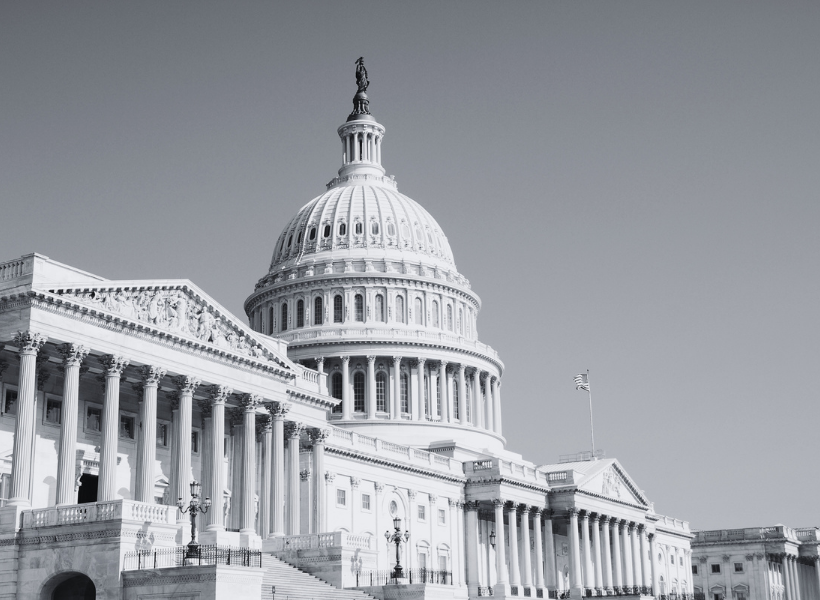
The bill cleared the House Education and Workforce Committee on July 21, 2026, by an 18-15 vote and now awaits a full House vote, expected sometime after the August recess. It has more than 140 bipartisan cosponsors and a companion bill in the Senate. That’s real momentum, but it’s not law yet, and legislation this contested can stall even with broad support.
Why This Matters to You as a Buyer
Here’s the part that gets lost in the political back-and-forth: this bill affects the level of support you can expect from a franchisor. This is true regardless of whether it passes.
If the standard stays murky or shifts toward broader liability, some brands will keep pulling back on hiring and training resources out of legal caution, leaving you to build those systems yourself, often at real cost. Taco John’s multi-unit franchisee Tam Kennedy has talked about paying nearly $9,000 out of pocket for an employee handbook her brand used to provide for free, simply because their legal team decided that kind of support was too risky to offer anymore.
That’s the risk worth pricing into your decision now, not after you’ve signed. So before you commit to a brand, ask direct questions:
- What hiring, training, and HR support does the franchisor currently provide, and has that changed in the last five years?
- Are any of those resources optional tools versus mandates? (The distinction matters legally and practically.)
- Is the brand actively engaged in this legislative conversation, and does leadership have a point of view on it?
A franchisor’s answers will tell you a lot about how they think about risk. Plus, it’ll give you an idea of how much you’ll be on your own if things get complicated.
The Bottom Line
Whether the American Franchise Act passes this year or stalls in committee again, you should be paying attention. The underlying question it’s trying to answer—who’s responsible for your future employees, and how much help you’ll get running your business—is one you should be asking every brand on your shortlist today. Don’t wait for Congress to give you permission to ask it.
Want a clearer read on which brands actually deliver on franchisee support? Browse FBR’s award-winning franchise rankings, built entirely from franchisee satisfaction data, to see how systems perform where it counts.
For a deeper look at how one veteran franchisee thinks about this issue, listen to Is the American Franchise Act Good for Franchisees?. This episode features multi-unit Taco John’s owner Tam Kennedy on the From A to Franchisee podcast.