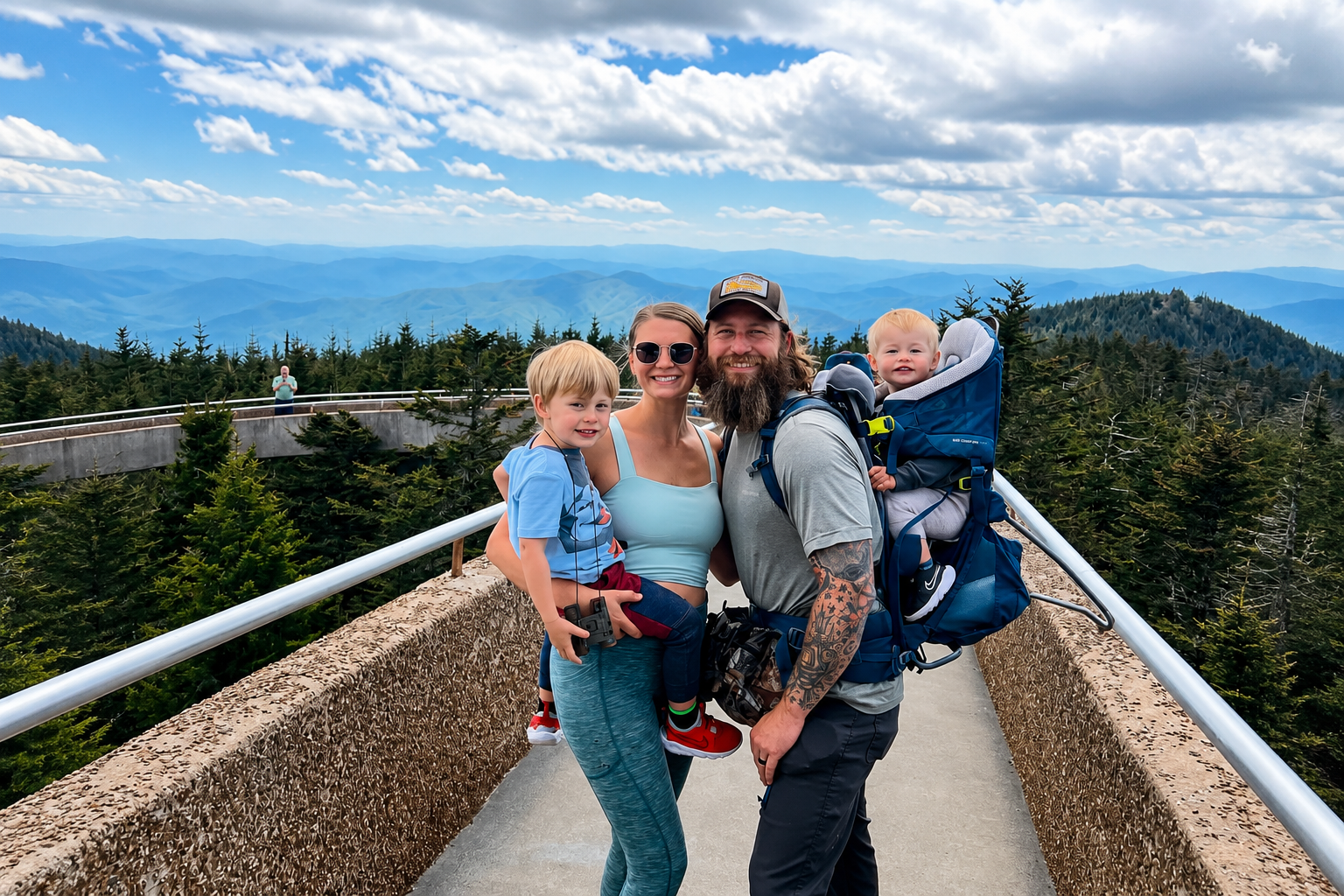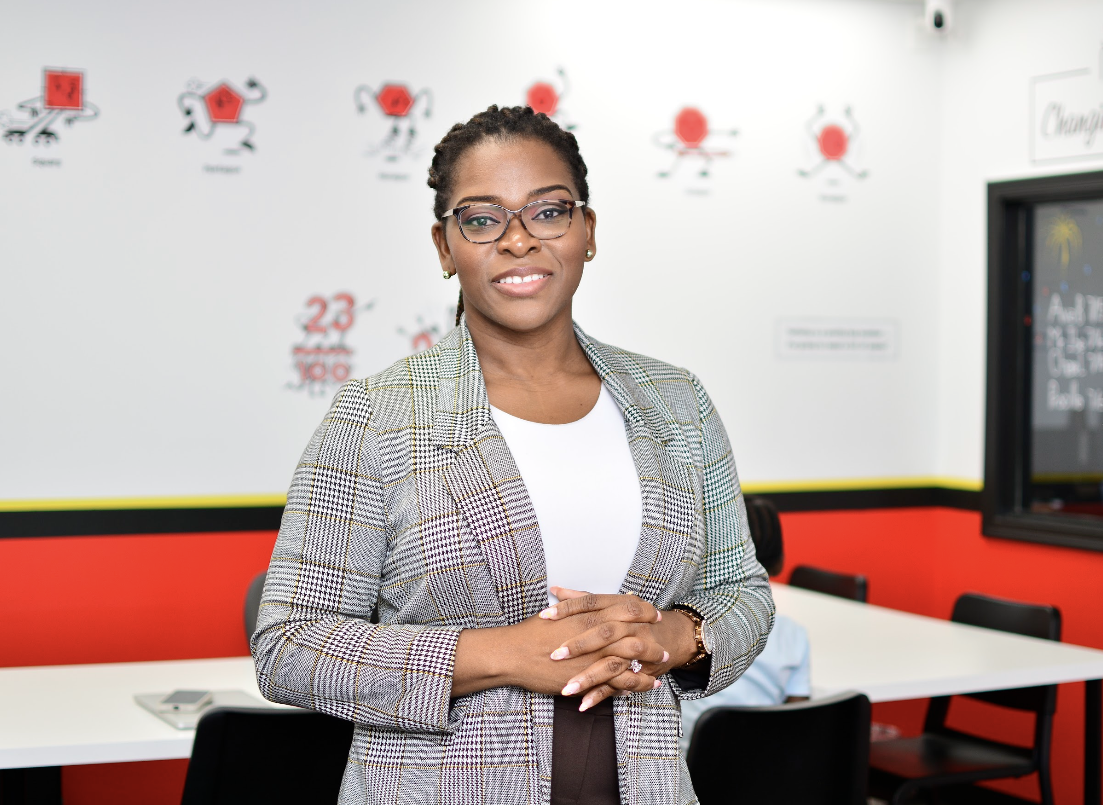

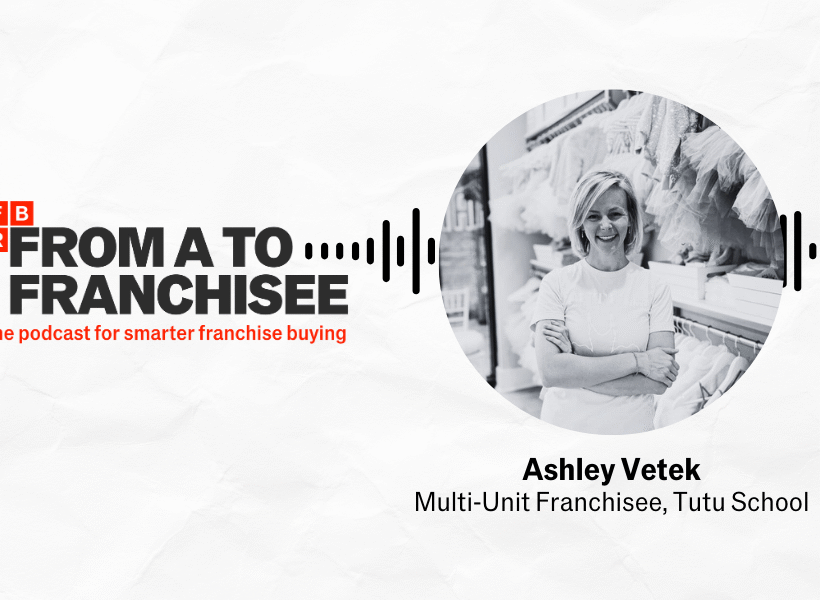
This episode focuses on brick-and-mortar child enrichment franchisees. Michelle talks to the owner of a children’s dance franchise.
Listen on Apple Podcasts | Listen on Spotify | Watch on YouTube
In this episode, Ashley Vetek shares her journey from military service to successful multi-unit franchise owner of Tutu School, focusing on the unique opportunities and challenges in the children’s enrichment space. Whether you’re considering entering this sector or interested in franchise ownership, Ashley’s insights are invaluable.
Resources
- Listen: Industry Spotlight on Child Enrichment Franchisees: Mobile Franchise
- Listen: Industry Spotlight on Tutoring Franchisee
- Listen: Women in Franchising, The Rise of Female Franchisees
- Top Franchises for Women
- Top Franchises for Veterans
- Read: Air Force Veteran Turned Franchisee with New Again Houses
- Read: Veteran Brothers in Franchising with Kitchen Tune-Up
*This episode is NOT sponsored, but Tutu School is one of our award-winners. This means they survey their franchisees with us. It’s with that data they make our lists!
Transcript
Michelle Rowan (00:51)
Welcome back to From A to Franchisee, the podcast where we pull back the curtain on what franchise ownership really looks like so you can make a smarter, more confident decision on your journey to become a franchisee. Today we’re diving into one of the most in-demand categories in franchising right now, brick and mortar, child enrichment. If you’ve been exploring this space, you already know why it’s so appealing.
predictable schedules, purpose-driven work, strong community presence, and a business model that parents rely on year after year. But what does it actually look like to own and operate a franchise like Tutu School? How different is it from mobile models like the one featured in episode 17 that we did? And what should you expect when it comes to real estate, staffing, relationships with parents, and daily operations?
To help answer some of those questions, we’re joined by Ashley Vetek a multi-unit franchisee with Tutu School. She has lived the day-to-day reality of this business from the challenges of build out to the joy of watching children grow in confidence and skill. We’ll talk through what surprised them most, what they wished they could have known before they opened their doors, and the advice that they have for anyone considering investing in this sector. So let’s get to it.
So first, Ashley, thank you so much for joining us. We actually got to do a live session in Atlanta this fall, and that’s where we met. And I learned that you were just recently becoming a multi-unit franchisee. You are a woman in franchising, which we love highlighting, and you’re a veteran. So we are thrilled to have you on here, because I know a lot of people thinking about or exploring franchises will have something to connect with you, too, which is fantastic. So thank you so much for joining us today.
Ashley (02:42)
Yeah, absolutely. I’m so happy to be here. Thanks for having me.
Michelle Rowan (02:46)
Yeah, so tell me what were you doing before you joined Tutu School and what drew you to either franchising or child enrichment specifically? Just tell us about that journey.
Ashley (02:56)
So yeah, prior to investing in Tutu School, was active active duty Air Force for about 12 years. I was a pilot in the Air Force. And during my time in the military, I had always kind of had this tug towards entrepreneurship. I didn’t know what that would look like or when it would happen and when it would make sense for our family. But whenever I was nearing my time to get out of the Air Force, I started kind of exploring what our
next chapter was going to look like. I have two young children and I was flying and so military life, you know, sets you up perfectly to go fly for the airlines, which is what my husband does now. He was also in the military, but with both of us flying, it just didn’t feel right for our family. And so I continued to explore entrepreneurship and franchising was not really on my radar initially, to be honest. It really wasn’t, especially in
the dance world. ⁓ I didn’t even know that that existed because I think most people when you think of franchising, you think of maybe a fast food chain or something else. And I started really digging into opportunities available in franchising and discovered Tutu School. But my husband and I, we did talk about it. Funny enough, I had my application into the airlines at the time whenever I discovered Tutu School.
but I decided that that wasn’t the best next step. My heart was always, ⁓ like I said, tugged towards entrepreneurship and I ended up quarantining for COVID when we moved to Atlanta and I started doing some more reflection. And that’s when I started to explore opportunities in franchising and discovered tutu school. I was a dancer all my life. My father was in the military as well. And every time we would move to a new location, I always had to find
my dance studio home and so I felt really pulled to those roots and I just felt like this was a full perfect full circle moment for me to get back into to dance in this way and so that’s when I decided to start a tutu school and a tutu school is just such a mission-driven brand and it just aligned perfectly with you know what I wanted out of a business and I just fell in love with that
Michelle Rowan (05:15)
Okay, so Ashley, you were still active in the military when you did your research, and I’m curious just what that experience was like. So you’re doing all of this virtually, I assume, and your time is probably a little different than other people that might be ⁓ in a different line of work trying to do this research. So what was your overall time from?
I’m exiting the military, I need to figure out what my next move is to making your decision. What kind of timeline are we looking at for that?
Ashley Vetek (05:44)
Yeah, so actually let me let me back up. So I wasn’t I was already separated from the force whenever I started pursuing this and I actually had applications in to go fly for the airlines at the time and we were moved to Atlanta relocated after I separated from my husband’s job. And so that’s when I started exploring this kind of in parallel with my application for the airline and so.
Michelle Rowan (05:48)
Okay.
Ashley Vetek (06:08)
From the time I discovered Tutu School and actually made the decision was probably about six months. ⁓ There aren’t a lot of other dance franchise opportunities out there, but I did find another and I really wanted to compare the two. Tutu School was much further along as far as their growth and the support they were able to offer and things like that. But I did, mean, even though six months.
Michelle Rowan (06:15)
Okay.
Yes.
Ashley Vetek (06:34)
it for some it might seem quick but I did a lot of due diligence I talked to owners so yeah.
Michelle Rowan (06:38)
Yeah, good.
Good, yeah, we talk about the importance of that. Okay, so how did you, you mentioned that you were intrigued or interested in some kind of entrepreneurship. How did franchising get on your radar or Tutu schools specifically? How did you come to find out about this opportunity?
Ashley Vetek (06:57)
So actually I Googled dance studio franchise and I did not expect to find anything. And that’s so unusual. If you talk to any other tutu school owner, it’s like former parents or maybe teachers. And then from there I visited other tutu schools and I spoke to Genevieve and then that’s kind of how I fell in love with the brand. But initially it was through a Google search.
Michelle Rowan (07:03)
Okay, yeah, yeah, absolutely.
Yeah, well I’m gonna tell you, I always tell my family, if there’s a business out there, there’s some franchise in that space. So today I learned that there is a deviled egg restaurant. It’s all they sell, and they’re now in the works of franchising. And I was like, yes, this is the perfect example. If you can sell it, people will franchise it.
Ashley Vetek (07:33)
I’ll miss you.
Yeah, if it’s a model, then absolutely. If you find good operators, and I knew I would be a good operator, so I was like, I’m in.
Michelle Rowan (07:52)
Yeah, absolutely. I’m going to also too, this is like there’s so much for us to talk about, but you know, we’ve had one of our franchise friends, Ali Kraus who is the incoming chair of the Women’s Franchise Committee for IFA. We talk about how important it is to just bring awareness of franchising to more women that are interested in entrepreneurship or business ownership, that there’s just even less awareness among women that this is something that they can do and it’s.
a little bit different than trying to start something on your own. ⁓ So what I wanna share is that 32 % of the franchisees that we surveyed this past year are female. So we’re pleased to see that that’s grown a little bit since we started 20 years ago, but there’s still a lot of work to do. ⁓ As a woman that is in franchising, how do you feel this business and what you’re doing supports your life as a mother, as a wife, and as a woman that’s leading a business?
Ashley Vetek (08:49)
Absolutely. you know, being obviously being in the children enrichment space calls to me and as a mother as well. So, I mean, I have a daughter who danced in our studio whenever I first opened. So that connection is really organic because I have children and so being able to work around kids and myself was definitely an appeal for me. And honestly, I think for this.
specific business, ⁓ the way that I chose to start it, and everybody’s goals are gonna be different. It’s really all about how you want to set up your business to work within your lifestyle and what you want that to look like. For me, I really, as my children have gotten older as I’ve owned these, ⁓ my first location and grown it,
You know, they have more extracurriculars now and there’s just a lot more pulling at my time. like what I, where I started and where I’m at now looks different as far as my time investment and things like that. Um, so I, was this steep learning curve that first year though, I’ll be honest, as far as like how the business fit into our lifestyle, um, and just growing it to a place where I could hire good team members and hand things off and make it like, make it work for our family.
Michelle Rowan (10:09)
I love that. Well, and also too, the majority of women that take our survey are single unit operators. 63 % of women are single unit operators compared to 53 % for men. So you’ve already kind of helped us with our data by opening up your second location. So you’re in the minority minority.
Ashley Vetek (10:28)
Well, that’s great. mean, another part of this franchise specifically that spoke to me is I love working with other women and empowering them in my business too. And so I have one male teacher, but mostly it’s young women. And so, and I love the opportunity that I have to grow them in leadership roles within the business too.
Michelle Rowan (10:30)
Yeah.
That’s great.
Okay, so let’s talk about, you six months for your research, but then comes, you gotta find a studio. So let’s talk real estate. What factors did you prioritize when you were trying to decide where your school should go?
Ashley Vetek (11:03)
And so now that I just opened the third location this past September, And what I was looking at for that location is very different than what I was looking at when I opened my first. So funny enough, whenever I decided to open a Tutu school, I had a specific center five minutes from my house in mind. And I was like, I want to put a Tutu school there.
Michelle Rowan (11:06)
Hey!
Interesting.
Ashley Vetek (11:27)
So I was very focused on one location. I did my due diligence. I looked at the other options in the area. But I actually already had the location picked out in my mind of where I wanted to put my first school. ⁓ looking back on it, and as I have opened subsequent schools, like I said, my criteria has shifted. One thing about it is your rent is going to stay the same. It’s not a variable cost. It’s going to.
And so getting rent down is something that I have focused on with the second and third. So each location, I’ve downsized a little bit and I don’t need as much square footage because I don’t know if people listening to this realize that it’s priced per square foot your rent is. And so I could open it in my third location is only 900 square feet where my first was 1300 square feet.
And so, and over time, that just really adds up and like cuts into your profit margins. So paying attention to that as an expense is something that I’ve really focused on. And I also, I did this with all three locations. I looked for second generation spaces. I wanted to keep my build out as low cost as possible and try and get as much of my TI that I negotiated with my landlord to cover that build out as I could so that I had less out of pocket expenses.
Michelle Rowan (12:47)
OK, so we’re going to stop for the person that might be a little bit new to all of this. So ⁓ we talked about the price per square foot. Second generation means an existing building. You’re not building from scratch. And TI is tenant improvement. So the landlord’s giving you money to put towards that build out or whatever changes you want to make in the space to make it more specific to your brand. Did I get all that right? OK.
Ashley Vetek (13:11)
Absolutely,
yep. the thing, one thing that I looked for, and I’m fortunate, you know, restaurant is obviously very different, like, depending on the business you’re getting into, but for us, we need a dance space, like a dance floor, so it’s an open space. But I looked for spaces with an existing bathroom because I know that that affects the timeline of build out, permitting, all of that. So if there’s an existing bathroom and the way that the layout works, even flooring, my second location has existing flooring from the last business, so.
Michelle Rowan (13:17)
Yes.
Very smart.
That is great. Those are great tips. So I want to go back to your first spot. You said you knew that that’s where you wanted it to be. Was it just the proximity to your house or what else was about that space or that plaza that was calling to you?
Ashley Vetek (13:52)
Right, and that’s another definitely ⁓ something that I look for for a location for child enrichment. It’s young families. Where are young families spending time? In this specific location, any day of the week you can go and there’s a big green space and they offer a lot of like marketing opportunities. They set up booths and special events and so you can go and there’s children everywhere. So I knew that that would be a good location for this type of business.
Michelle Rowan (14:20)
that. So that’s such a great tip. How involved was your franchisor in helping you pick the real estate and and giving you these kinds of tips versus what you knew on your own ⁓ before picking?
Ashley Vetek (14:33)
They were involved in as far as they gave me tips from previous owners and the locations I had opened prior to me as far as those types of things that you’re looking for, like where young families live, like demographics, as far as they gave me those guidelines, I’ll say. But they weren’t involved as far as they didn’t provide me with a broker or anything like that. I sought that out.
and used a broker to find the subsequent locations. But again, like I said, I already had a location in mind for the first ones.
Michelle Rowan (15:09)
Yeah, yeah.
So you mentioned a great tip on bathrooms and permitting around that. Were there any other challenges with permitting, zoning, construction taking longer than you said? Anything that you kind of would just plant seeds in for somebody thinking about going into a physical space.
Ashley Vetek (15:26)
Yes, so, and it’s going to be so dependent. Each location has been very different. So I want to like throw that out there. So my experience is it’s very specific to, your area where you live. The permitting process could look very different. It did for all three of my locations. The first one, it was pretty smooth sailing. The landlord was actually pretty involved to get that, like everything moving and approved to get our certificate of occupancy.
completed quickly. The second location, however, ⁓ we were, build out was done. We were ready to open and the fire marshal came to do the final inspection, which you need to get your CO, your certificate of occupancy to open your doors. And we were, passed everything, but the apartment building above us had an expired, inspection for the fire sprinkler system.
And he had been passing other businesses in the center, just with the caveat that that needed to be taken care of, but decided my business was the one that he was going to put his foot down and it needed to get taken care of. So that was completely out of my hands. ⁓ which of course is frustrating. You’re sitting, you’re ready to open your doors, start collecting revenue. and you can only do so much, right? but I would say one piece of advice is I made a point to.
Michelle Rowan (16:36)
Yeah.
Ashley Vetek (16:49)
connect directly with that fire marshal. was calling him myself. Almost like once a week, checking in. And I think just putting my story, like knowing I have a young family, I’m trying to open this business, just like putting a person behind the situation really helped expedite. And he really was amazing and worked with me. was like, I understand this isn’t your fault.
And so that really helped get our doors open. But sometimes there’s gonna be things that are gonna, you have no control over the process. yeah.
Michelle Rowan (17:19)
Yeah, yeah, that’s good.
Well, that’s good. So when you run into them, really advocate for yourself and stay on them until you get what you need. That’s a good lesson. Can you put an average time from signing the lease to opening between your three locations, or does it really vary based on those things outside of your control?
Ashley Vetek (17:40)
I would say it really does vary. mean, you could get a space, and it depends on the state that you find the space in. Like if you’re starting with a shell, a shell meaning that there’s not even like dry wall and there’s no bathroom or anything, that’s obviously gonna take much longer. That could be six months to a year to potentially. For me, I would say three months, three to five months would be like on average. But it really does depend on how.
quickly they’re moving at the city and with permitting and all that and how behind they are with inspections, you’re kind of on their timeline.
Michelle Rowan (18:14)
Those are great, that’s great. Okay, so I would love for you to walk us through, what was a typical day like for you being the owner of a children enrichment franchise? And then what has it evolved into now that you have three locations? How has your day-to-day life changed?
Ashley Vetek (18:34)
It’s very different now. And that was intentional. So when you’re opening any business as the owner, you wear all the hats, right? And you can only afford to hand off so many things. So I’m the marketing person. I’m answering every single email, every text message. I remember answering a phone call in the carpool pickup line for my kids. So you are doing all the things. And since then, I’ve
you know, stricter like office hours on our on our team so that we’re you we’re not kind of operating around the clock but as a brand new owner every phone call felt like a missed opportunity if I didn’t answer it so I was definitely working a lot but that that was my experience right like I definitely looking back on it probably I should have done a better job of you know putting you know restrictions on how much I was working ⁓ and we ramped up
we opened and we just had a really big opening. And so I had a lot more business than I anticipated when we first opened. So it was very busy initially. So I’ll put that out there as well. And so yeah, a day to day could look like you’re answering emails, you’re answering phone calls and text messages. A teacher may call out sick and I would go in and I would have to emergency sub. ⁓ So all of that.
is a factor. each day could look a little different depending on what it brought.
Michelle Rowan (19:59)
Yeah, I want to pop back. You brought up a good point around your grand opening. What does that grand opening look like? How do you get people there for the grand opening? And how important was that for you, for your business? It sounded like it really impacted how busy you were to start.
Ashley Vetek (20:15)
Absolutely, a lot of digital marketing, which looked different four years ago when I opened the first location compared to the second and the third. So I’ll put that out there. And then a lot of community marketing. And so like I mentioned, I live five minutes from my first location. any marketing opportunity, and I was fortunate, again, getting back to the reason I chose that first location. There were a lot of opportunities to get involved.
did a lot of special events like family focused events on their green space. So I would set up tents and I would hand out postcards. Any opportunity where I could have FaceTime with families in the community, I would take it. And so I did that probably for at least three to four months before we even opened our doors. And that definitely set us up for success. So we had really full waitlisted classes right when we opened that first location.
And that was me, you know, working as many events as could. I definitely couldn’t have afforded at the time to pay other folks to do that. And that impacted how I set up my, marketing plans for the second and then the third location, because they’re a little bit further away from me. I still did those things, but just not as many as I did for the first location.
Michelle Rowan (21:24)
Yeah, yeah.
So what does the number of employees look like for you? it ⁓ per studio or how has that grown with you and the number of centers you own?
Ashley Vetek (21:35)
Yeah, I’ll answer that question. I’ll also circle back to what my day to day looks like now. Three locations, because that definitely is a factor. Absolutely. so each location has at least around like four to five dedicated teachers, and they are all part time. And then we have a couple of subs.
Michelle Rowan (21:40)
Yes, yes, yeah. Has changed, yeah.
Ashley Vetek (21:59)
that can flow and that’s the benefit of scaling is I’ve also been able to increase my my sub-pole. That is probably one of the most challenging things is staffing and having part-time team members because this is competing with a lot of priorities for them right and so and then tutu school is a very specific curriculum that they have to learn and so I can’t just have any dance teacher come and teach a tutu school class so
putting them through training and making sure that they’re ready to teach a true tutu school class. That’s taken time to build. So the benefit of having three locations is I have about 20 teachers now on staff and most of them can teach at any of the three, which is really, it’s amazing. like, it’s been a huge benefit. And then getting back to the structure. So over time, as I was able to hand things off,
I now have an enrollment coordinator. She started with less hours with the first location. And then as I opened subsequent locations, we’ve added to her hours. So she was able to take over emails and registrations, texting, and all of that stuff for me, which was really great. And so that I could focus more on the marketing and the leadership component.
And then I also have teachers on my staff that have been with me for a while and they take it on a leadership role on the team organically. And I recognize that in them early on. And so now we have principal teachers that are responsible for being that connection point between the franchise whenever they make curriculum updates things like that.
in just offering that peer support and coaching and training for new teachers. And so we have a principal teacher that oversees all three locations. Master teachers that help with training and onboarding new teachers. And then we also now have site coordinators at each location that are responsible for tracking inventory and retail all of that good stuff. So.
A robust team, everybody on the team is still part time and they are all teachers that we have added additional duties. So like maybe three to five hours per week on top of their teaching schedule.
Michelle Rowan (24:14)
Okay, so I don’t think you’ll be surprised to hear most franchisees that we talked to, the staffing and retention is a top challenge no matter what the business is. You’ve already given us a few ideas or ways that you’ve kept your staff engaged with you and I picked up on giving them more hours for opportunity for more hours as you have more locations, recognizing that they’re ready to take on a leadership role. So again, playing into their professional and personal growth.
Ashley Vetek (24:24)
Yeah.
Michelle Rowan (24:44)
Is there anything else, because I know we talked about this in our session in Atlanta, anything else that you would say has really helped you develop these people or keep them longer or ⁓ just tackle that constant challenge of finding the right people for your organization?
Ashley Vetek (25:02)
Definitely that’s something that I’m always thinking about and I’m always always kind of evolving and growing and that’s obviously paying them well, paying them a little bit more than what they would get elsewhere is is probably the most important thing and then and then also just really thinking about and being thoughtful about our team culture and what they
are looking for because there are different types of team members I’ve learned. So there are what I call my anchor teachers, those that have been with me now over two years. Like this is, you know, they love Tutu school. They want to stay, like they may not need a full-time job, but this is their primary, you know, one of their primary focuses. And then I have other team members where this is maybe a stepping stone, right? This is their part-time job while they’re going to school.
⁓ and are there just, you know, they’re doing this for fun. I think for me learning. And actually asking each person like, why, like, why do you want to work for us? What are you getting out of this? And like, what, lights you up about this, right? And then like leaning into that and understanding that, has really made a difference. And I’ve learned over the years to ask those questions. I didn’t initially.
Michelle Rowan (26:17)
Yeah. Yeah.
Ashley Vetek (26:18)
And
I didn’t hire the right people initially. I wasn’t looking for the right things, to be honest. Like at first I was looking for great dancers, but that’s not, a great dancer doesn’t equal a great teacher or somebody that loves working with children or, you know, really connects with our mission and like what Tutu School’s all about. And so it, you know, it took me a little bit of time to like find the team members that really that connect with this. And
It’s, um, but leaning into the, the why for each person, because again, it’s all different. I mean, even it could be financial, like maybe financially is there why and that’s okay. And so maybe bonuses, um, that helps keep them more invested or, um, yeah. So just really kind of like listening to them and catering to that.
Michelle Rowan (26:53)
Yeah.
Yeah, I love that. So I wanna shift to the parents. This is probably a very big part of your role. your teachers are teaching the children, but the parents are a huge part of the business. What have you learned as far as communicating and managing ⁓ the parents?
Ashley Vetek (27:26)
Yes, and that’s something that I have also learned to train our teachers on as well, because it is just as important as teaching the kids in the class, like connecting with parents and managing parents’ expectations. Because a lot of times, we may have a parent come to us with their child, and they do not have any frame of reference on what’s
developmentally appropriate for their Keto because they don’t, they haven’t seen them in a classroom environment because we start so young. We started doing it six months old. And so yeah, we have baby ballet six months to 18 months. ⁓ The baby ballet is a newer offering just in the past year. But we, we see them very young. And so, and they may have these, you know, maybe unrealistic expectations on what a three-year-old can actually do. And so that’s a part of what
Michelle Rowan (28:02)
Ow.
Ashley Vetek (28:23)
we are now training our teachers on is like, is helping parents, you know, kind of understand like the expectations of the class. But connecting with them is huge. Like they are the customer, the parents are the customer realistically. And so showing them that the value that we’re delivering for their kiddos and connecting with them and connecting our curriculum with.
⁓ Like what they’re looking for for their child in extracurricular activity is so important. ⁓ And meeting them where they’re at. I’m a mom myself and my kids are very active. My daughter is a competitive gymnast. And so the communication, I totally, I know how busy everybody’s lives are. And so I tell my team, like, we cannot expect them to read every email.
And we have to, you know, if we email, we also have to text, we need to put signs because we’re gonna, they’re gonna miss it somewhere. So just knowing who our customer is and you know, that they have really busy lives and that we’re meeting them there.
Michelle Rowan (29:27)
Yeah, that’s great. Okay, so without sharing any specific financials, you don’t need to do that. But what financial factors do you think that people looking at getting into a franchise should pay the closest attention to before they invest?
Ashley Vetek (29:43)
with regards to like the FTD or just.
Michelle Rowan (29:47)
can be the
FDD, can be however you figured out how much money you could make with this business.
Ashley Vetek (29:54)
Talking to franchisees in the system is gonna be the most important thing you can do and actually listening to them. ⁓ I say it that way because I’ve had conversations with possible franchisees joining the two school system. And I think that especially for a very like mission driven brand type franchise, your heart gets really invested in it. And so,
I think it’s really important that you do take the time to look at the financial investment and listen to what franchisees are saying as far as how long it will take you to actually become profitable. Most businesses are not profitable in their first year. That’s just not realistic. And make sure that you have realistic expectations, ⁓ especially in children-focused business. ⁓
Michelle Rowan (30:42)
Great advice.
Ashley Vetek (30:46)
profit margins are going to be lower than some other businesses out there. I’ll just be really frank and honest about that. It’s not that is why I’m in multi unit expansion. ⁓
Michelle Rowan (30:55)
That’s
good advice. That’s great. Yeah.
Ashley Vetek (30:58)
Yeah, and owners will be honest. They will. You just have to listen.
Michelle Rowan (31:03)
Yeah, no,
I think that’s great. And so do you can, can you tell us how long it took you to break even in a unit number one?
Ashley Vetek (31:10)
So it took me about a year and a half.
Michelle Rowan (31:13)
Okay, so that’s great. ⁓ How about, when did you feel like in the business, and it might’ve been that same moment, that it kind of hit you like, okay, this is working, this is what I’m gonna do to grow my business here?
Ashley Vetek (31:28)
Yeah, so there’s a couple of, there are a couple of factors in what helped me decide to open multiple. I didn’t sign the area development deal, so I went into it just focusing on one. But for Tutu school specifically, the very first two franchisees in the system now own over 10 locations. So that told me that multi-unit, yeah, multi-unit ownership is possible because people are doing it at that scale.
Michelle Rowan (31:35)
Yeah.
Ashley Vetek (31:58)
So the seed was already planted, that multi-unit growth was possible and that it’s been done before. And then I was looking at just my enrollment numbers, where I was at, comparing it to the average for other people in the system, and just kind of looking at like realistically what my true profit potential was with just one location and what my goals were.
And so that’s what led me to decide, okay, to really meet the financial goals that I want to meet, I need to look at multi-unit growth. And I could do that over time or I could try and do it as quickly as possible. And I elected to invest a lot of what we’ve made in the first location and the second location into growth versus, you know, and then taking less home, of course.
Michelle Rowan (32:48)
Yeah, yeah.
Well, I love that you said you saw other people in the system doing it. Like that is our just exactly that. Like if you can see other people in the position you want to be in, it’s much more believable that you can get there. So love that they have those examples within the system. I also just want to pause real quick. You mentioned an area development deal and just for our listeners.
If you do an area development deal, you’re basically signing on to build out a particular geography for the franchisor. So that sometimes with your own schools and sometimes it would be finding other franchisees to open those within that market, correct? Okay. Okay. So just wanted to explain that to people. So some people know from the start, I’m going to have multiple locations or find other people to open the business, but you kind of ⁓ took your time.
Ashley Vetek (33:28)
Yes.
Michelle Rowan (33:40)
figuring out where you wanted to scale up. So a safer financial investment, not going all at it at once. So I like that. It’s great.
Ashley Vetek (33:47)
Yeah,
it was the financial piece and then there was also just my bandwidth.
Michelle Rowan (33:51)
Yeah, yeah.
Ashley Vetek (33:52)
And like what made sense for us and my family. ⁓ Like I said, I I was a steep learning curve for me that first year I was doing all the things. so ⁓ once I felt like comfortable handing some things off, I started to like really get my processes set up. And the franchise, of course, gives you a roadmap. But there are certain things that you do have to figure out for yourself. You’re still the business owner at the end of the day. And so I had to like figure out what worked for my team. And then we
try, we replicated that. And then again, when I opened my second location, I still had a lot to learn, expanding into a second location where I can’t just drive five minutes down the street and just go pop in and fix the problem. Now this, this unit’s further from me, so I have to figure that out too.
Michelle Rowan (34:36)
Yeah, that’s
great. So going back to the support from the franchisor what kind of support did you receive during your launch? And what do you what type of support do you think matters the most to your business now from the franchisor
Ashley Vetek (34:47)
So whenever I opened my first location to two school, was unit number 60 and there were only, and I mentioned there’s a lot of multi-unit owners. think there was maybe 10 to 15 owners at the time. So it was still a pretty small community. And now we have over a hundred locations open and the last summit we held, there was a room full of people owners. And so it’s just grown rapidly. And so support has changed a lot from when I opened
my first location to today and it’s still evolving. I just got off a call before this with, they’ve grown the HQ team quite a bit in amazing ways. It’s really exciting. So we have a lot more support now. We have a franchise business coach. Now we have a dedicated marketing team. It was very lean whenever I joined the franchise system. So we did have an operations manual. ⁓ We had, they call it Twirl
Michelle Rowan (35:29)
Yeah.
Ashley Vetek (35:47)
So we have an online platform where you have access to, you know, brand like branding kits and all of that good stuff, which is great. But and it’s but it looks much different today. So then it did then, which in all the best ways. So Genevieve has really invested a lot into growing support for the franchise, which has been amazing.
Michelle Rowan (36:08)
Great.
Okay, so I want to just share some of the data we have from franchisees that answer our survey that are within child enrichment. 90 % of franchisees feel the long-term growth opportunity is moderate, strong, or very strong. So that’s great. The overall financial picture today, 82 % are saying that it’s moderate, strong, or very strong. And I just think that that kind of speaks to…
These are people that believe in what you guys are doing and that there’s a need for it. And in thinking about that, what do you see as the biggest opportunities of being a franchise owner within Child Enrichment over the next five or so years?
Ashley Vetek (36:50)
I mean, I think that the opportunities are endless. people are worried about the economy, but families are gonna invest in extracurriculars for their children. They are, like, I think that that is one area that tends to not get cut. Like, we offer, ⁓ we’ve been offering special events and other things like that. And I have seen a reduction in people signing up for our special events, but our…
memberships have stayed pretty solid. So I think that there’s a lot of opportunities, you know, within any child enrichment space for sure.
Michelle Rowan (37:24)
Yeah, well, and there’s not as much opportunity sometimes within school. So people are looking for those other opportunities, I think. So that’s great. ⁓ And we know, I mean, there’s ballet for babies. We know that. We start our kids young and find what they fall in love with.
Ashley Vetek (37:39)
And it came from parents asking. We started at 18 months old and we would have so many families asking when their child’s a year old. They’re looking for opportunities to be around other children, socialize and exposure to music and movement. And the franchise has done a great job of building out an actual thoughtful and intentional curriculum for baby ballet. It’s about developmental milestones and peer socialization.
Michelle Rowan (37:43)
Yeah.
Yeah.
Ashley Vetek (38:08)
It’s really a wonderful division and that is definitely an opportunity because parents are asking for it. So we’re just listening to the consumers.
Michelle Rowan (38:14)
Yeah. Yeah, it’s
a great example of innovation within a franchise system. It wasn’t on the original product or service, but they are adapting to the need of your customer, which is exactly what you want from your franchisor. And I can’t think of anything cuter than pictures of babies doing ballet.
Ashley Vetek (38:29)
Yeah.
I know, right? And it’s
adorable. I mean, it really, like when we’re looking at digital marketing, is the ad that always does the best.
Michelle Rowan (38:40)
Oh, of course, you can’t get any cuter. Yeah,
I I think about my daughter is 17 and back when she was a baby, you could do like the rumble tumble type of thing or get them in a pool. Like that was literally it until they could walk on their own. So it’s great. There’s opportunities. Okay. So how about we’re going to go back to you’re now talking to people that are curious about franchising. What do you think are important?
traits or mindset for someone that is thinking about getting into this space that they need to have to be a successful franchise owner.
Ashley Vetek (39:12)
love that question because it’s not, it is something that I’ve learned over time as I’ve owned my own business. I think it’s resilience. I think that is so important. Everything is seasonal. Everything is seasonal. ⁓ It’s hard. It’s hard to get through those rough patches, but at the end of the day, it is your business.
Michelle Rowan (39:24)
Great.
Ashley Vetek (39:39)
and you can make the call on what happens next. And so just keep putting one foot in front of the other. I think like knowing that you have that resilience will really set you up for success in any business ownership, franchising or not.
Michelle Rowan (39:53)
Yeah, that
is so great. mean, that’s what we’re all about here on this particular podcast is it’s not easy being a business owner. There’s so many pros to it. There’s so much joy, but we are not overselling something that we want you to understand. There are very hard days. I’m also a business owner outside of franchising. So I totally get it. I want to scare everybody into like, you got to work super hard, especially in the beginning. So resilience is a fantastic. It’s I feel like it’s a trait.
and a mindset really to come into this business with.
Ashley Vetek (40:24)
Yeah, I mean, I have conversations with potential owners and I and one thing I always say is this is not a side hustle. It isn’t. It isn’t. want and I just want to I’m super honest and frank with them about that because and especially if you want to do it successfully, you have to invest the time.
Michelle Rowan (40:31)
Yeah. Yeah.
Ashley Vetek (40:45)
for it to actually grow. It’s not something that, I mean, not everybody, I’m very fortunate that my husband has a full-time job and I was able to give myself the runway to let this, know, to get it to the point where it’s profitable. But not everybody has that, but it’s, you have to invest the time.
Michelle Rowan (41:03)
Yeah, that’s
great. How about what questions do you think are important for candidates to ask franchisees or what don’t they ask that you really think that they should ask?
Ashley Vetek (41:15)
going back, I wish I would have probably spent more time on myself is the time commitment in the investment and just understanding ⁓ what that really means and entails and just digging a little deeper into that. But again, in understanding what you’re looking for from the business yourself.
it’s going to be different. So if you are looking at being actually in the physical space every single day and teaching, my answer is going to be, you know, it’s going to be different than what you’re looking for. So going in with that frame of mind when you’re talking to franchisees, like spending time with your why yourself first and understanding like what you want it to look like for yourself. And then like seeking franchisees that maybe have the same mindset because maybe you just want to own one location and you want to work in it every single day and teach all the classes.
That’s amazing. That would be, you know, that’s going to look different for me as a multi-unit owner where I’m completely remote.
Michelle Rowan (42:08)
Yeah, yeah,
that’s a great point. I love it. Okay, so we’re wrapping up. Is there anything else that you wanna share with this audience that might be considering getting into franchising?
Ashley Vetek (42:20)
I think that my parting words and advice might be to just really invest in that discovery process and invest in learning all you can about the franchisor as well. I can’t honestly imagine doing this with a different franchisor because I feel very fortunate. I’ve talked to owners in other franchises and just kind of the…
And they’re all a little different. And I feel fortunate that I have a voice in mine, and I love that. just learning what’s important to you, and then making sure that it’s aligned with what your franchise can provide you.
Michelle Rowan (43:02)
Yeah, I love that. I appreciate your time so much. You have so many different parts of what make you up that give other people the opportunity to see you doing this and being successful and to get them excited about doing it too. So thank you for sharing your story with us and offering some people some things to think about before they hop in or decide not to hop in. So we really appreciate you joining us today and can’t wait to see.
the school number four and the school number five. We’ll just keep an eye on you.
Ashley Vetek (43:32)
looking at
this page. No, I really appreciate you asking and I’m happy. I was happy to hop on. So, for the conversation. Yeah.
Michelle Rowan (43:38)
Yay. Thanks so much, Ashley.