
Updated November 2026
Key Takeaways:
- Subway offers one of the most accessible entries into a major restaurant brand. A traditional location costs roughly $263,000 to $630,000 to open, with a $15,000 franchise fee, and the model works in everything from storefronts to gas stations, airports, and hospitals.
- A new chapter is underway. Backed by Roark Capital and led by CEO Jonathan Fitzpatrick since July 2025, Subway is investing in Fresh Forward 2.0 remodels, digital ordering, and delivery, and is growing internationally while focusing U.S. stores on stronger locations.
- Subway isn’t the only strong sandwich option. The company emphasizes experienced, multi-unit operators. If you’re a first-time buyer or want a different fit, explore top-rated alternatives Penn Station, Jason’s Deli, and Potbelly Sandwich Works to find the best match for your budget and goals.
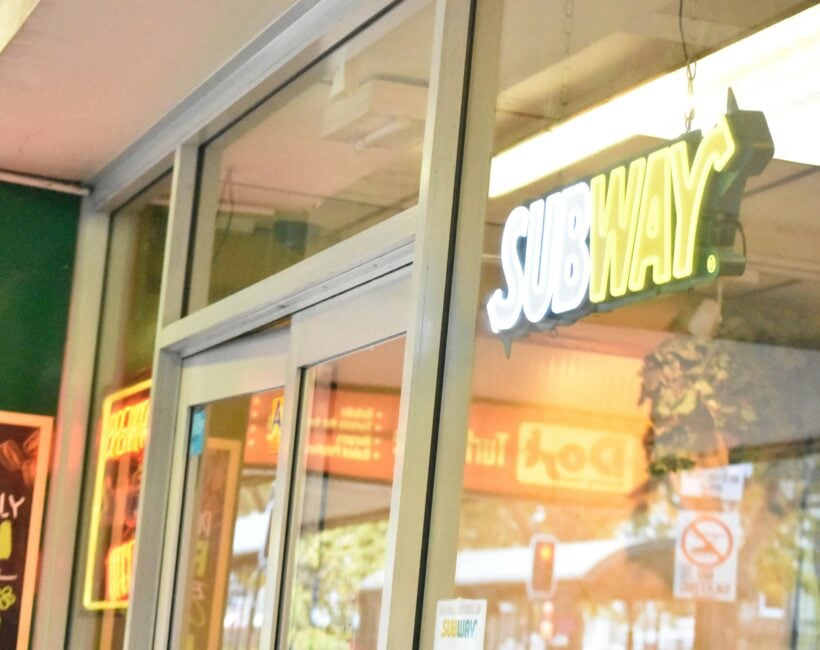
With its green and yellow logo, “Eat Fresh” tagline, and a sandwich counter on nearly every corner, Subway rises to the top as one of the most recognizable names in franchising. It remains the largest restaurant chain in the U.S. by store count, and has more than 35,000 locations worldwide.
You can find Subways in strip malls, gas stations, rest stops, airports, universities, hospitals, and military bases. But the Subway of 2026 looks very different from the one that peaked a decade ago. The chain has changed hands, changed leadership, and spent years closing underperforming stores as part of a “rightsizing” strategy.
History of the Subway Franchise
Subway began in 1965, when 17-year-old Fred DeLuca borrowed $1,000 from family friend Dr. Peter Buck to open a sandwich shop in Connecticut and help pay for college. The brand grew explosively through the 1980s and 1990s, peaking at more than 27,000 U.S. restaurants in 2015. At the time, Forbes listed DeLuca, the former president, and his co-founder and partner, Buck, as the 259th-richest Americans, each with about $3.5 billion.
Since then, U.S. store counts have fallen every year as Subway has closed weaker locations in favor of “smart growth”. Ownership and leadership have changed, too. The founding families sold the company to Roark Capital, the firm behind Dunkin’ and Arby’s in 2024, in a deal valued at about $9.6 billion. Former Burger King executive Jonathan Fitzpatrick took over as CEO in July 2025.
Download a free copy of the latest Food & Beverage Franchise Performance Report for the latest trends gathered from over 60 leading food franchises across 40,000 locations.
Why a Subway Franchise Might Be the Right Restaurant for You
If you’re interested in investing in a well-established, successful brand with proven longevity, a Subway franchise could be the ideal option.
Brand Appeal
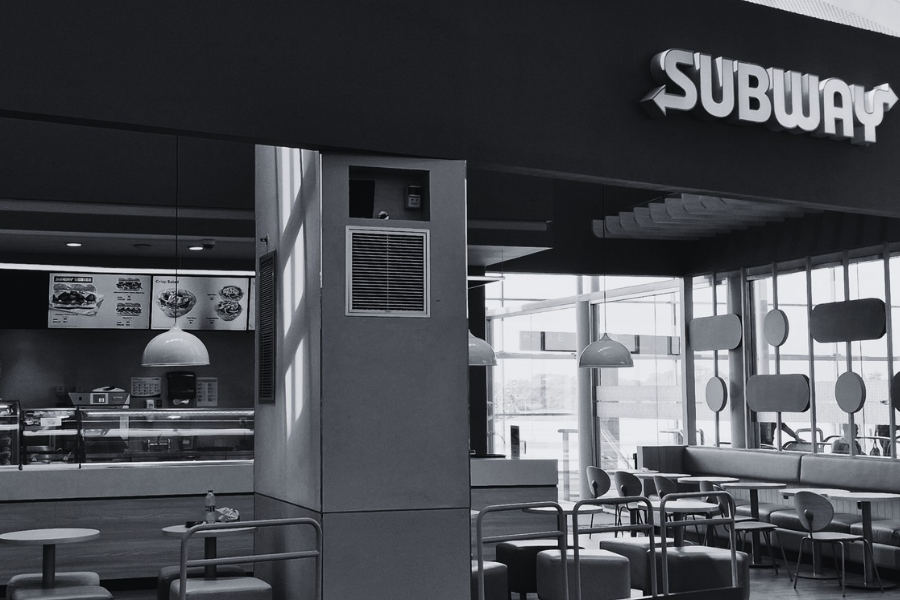
Few brands can match Subway’s name recognition. Subway has also been investing in its look and its technology. Its Fresh Forward 2.0 restaurant design, which began rolling out in 2025, brings bolder graphics, warmer finishes, and better support for kiosks, order-ready screens, and digital ordering.
Healthy Menu
Subway’s menu of sandwiches, wraps, salads, and bowls appeals to just about everyone looking for a quick service meal, including the health-conscious customers and picky eaters.
Flexible Model
Beyond traditional storefronts, franchisees can open in convenience stores, travel centers, campuses, and other non-traditional spaces, which can keep real estate costs down. The company reports that third-party delivery is accelerating and driving growth for franchisees, and it has introduced lower-cost remodel options so owners can refresh older stores without the price tag of a full rebuild.
Operational Expertise
Franchisees also get the benefits of a large system. The brand provides help with site selection, field operations support, equipment programs, proprietary software, and national and regional advertising.
Why a Subway Franchise May Not Be Right for You
Although there are many benefits to investing in a Subway franchise, owning a food franchise isn’t right for everyone. Subway has some specific requirements that might make it the wrong choice for would-be franchisees.
Stiff Competition
Subway competes with fast casual sandwich concepts, grocery delis, and nearly every other quick-service brand. The steady decline in U.S. stores reflects how crowded the field has become.
Experience Required
The company is also placing more emphasis on experienced multi-unit operators, so first-time buyers may find the path narrower than it once was. Additionally, the minimum financial requirements are $150,000 net worth with $100,000 liquid assets (cash-on-hand) per location.
No Territorial Rights
Subway does not offer franchisees exclusive territories. There are no radius restrictions or limits how close another location can be opened.
See This Year’s Top-Rated Food Franchises
How Much Does a Subway Franchise Cost?
Subway remains one of the more affordable ways to buy into a major restaurant brand, though the price has climbed. Subway’s current Franchise Disclosure Document estimates a total initial investment of roughly $263,000 to $630,000 for a traditional restaurant, depending on the location, format, and construction needs. By comparison, a McDonald’s can cost well over $1 million to open, so Subway still sits at the lower end of the major chains.
A Look at Franchise Fees & Costs Among Top Sandwich Franchises
| Franchise | Franchise Fee | Initial Investment | Royalty |
| Subway | $15k | $263k–$630k | 8% gross sales |
| Jersey Mike’s | $20k | $436k–$1.2M | 6.5% of gross sales |
| Firehouse Subs | $20k | $405k–$1.6M | 6% of gross sales |
| Jimmy John’s | $35k | $366k–$734k | 6% of gross sales |
| Penn Station | $25k | $508k–$859k | 0% – 8% of gross sales |
How Much Money Do Subway Owners Make?
It’s worth going in with eyes open. Subway doesn’t publish an Item 19 financial performance representation in its Franchise Disclosure Document (FDD), so there’s no official figure for what a typical store earns.
That makes it even more critical that you talk with as many current and former franchisees as you can. You can find a list of franchisees and their contact information in Item 20 of the FDD. For a deeper look at how to read these documents, see our guide to the most important items in the Franchise Disclosure Document.
Listen now: Franchise Business Review breaks down the data behind the top food franchises of 2026 on our podcast, From A to Franchisee.
Sandwich Franchise Alternatives You Can Sink Your Teeth Into
If you like the idea of a sandwich franchise but Subway doesn’t feel like the right fit, there are plenty of other options. The brands below have all earned strong marks from their own franchisees in FBR’s research. Each of them has scored above the industry benchmark for franchisee satisfaction and named a Top Franchise for 2026.
Penn Station

Penn Station Sandwiches, formerly known as Penn Station East Coast Subs, started in Cincinnati in 1985 and sold its first franchise just three years later. With more than 300 locations, the brand is known for grilled and baked made-to-order subs and fresh-cut fries. Here’s how Penn Station franchise owners rated their franchise.
- 90% of franchisees agree that they enjoy being a part of this organization
- 92% of franchisees agree that they respect their franchisor
- 90% of franchisees agree that they enjoy operating this business
Investment range: $507,500 – $858,750. Cash required: $300,000.
Get Penn Station’s franchisee satisfaction report.
Potbelly Sandwich Works
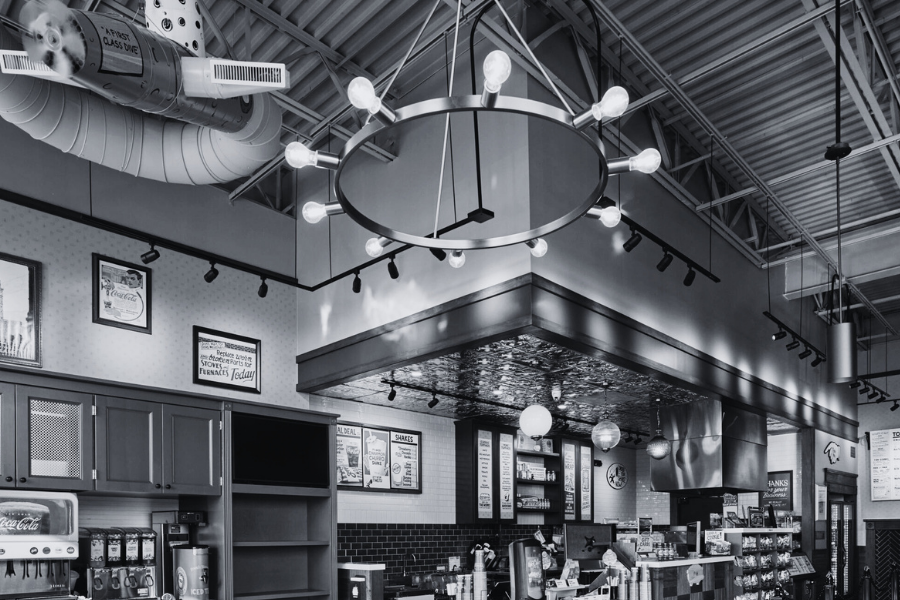
Potbelly Sandwich Works started in Chicago in 1977 as a small antique shop that sold sandwiches to help bring in customers. Since then, it has grown into a fast casual chain best known for its toasted sandwiches, hand-dipped shakes, and neighborhood-café feel. Here’s how Potbelly Sandwich Works franchise owners rated their franchise.
- 93% of franchisees agree fellow franchisees are supportive of each other
- 93% of franchisees agree that they respect their franchisor
- 90% of franchisees agree that they support the brand
Investment range: $628,938 – $999,371. Cash required: $500,000.
Get Potbelly Sandwich Works’ franchisee satisfaction report.
Cheba Hut
Cheba Hut “Toasted” Subs was founded in 1998 near Arizona State University. It’s built a cult following around its counterculture vibe, more than 30 signature toasted subs, and a full bar at most locations. Subs come in three sizes, and the brand has grown steadily through multi-unit franchisees across the West, Midwest, and South.
Investment range: $631,150 – $2,086,100
Learn more about the Cheba Hut franchise opportunity.
Jason’s Deli
Jason’s Deli opened in Beaumont, Texas, in 1976 and remains family-owned, with a menu of sandwiches, soups, baked potatoes, and a famous garden-fresh salad bar. The brand was an early leader in removing artificial ingredients, dyes, and high-fructose corn syrup from its menu. It has about 250 locations, with roughly 106 of them franchised.
Investment range: $931,791 – $1,400,000. Cash required: 1,000,000.
Learn more about the Jason’s Deli franchise opportunity.
Bubbakoo’s Burritos
Bubbakoo’s Burritos began in 2008 at the Jersey Shore and has grown into a fast casual burrito brand with a loyal following in the Northeast and beyond. It features made-to-order burritos, bowls, and quesadillas along with signature creations like the Chiwawa, a panko crusted cheesy rice ball, and loaded fries.
Investment range: $356,000 – $757,000. Cash required: $175,000.
Learn more about the Bubbakoo’s Burritos franchise opportunity.
Chicken Salad Chick
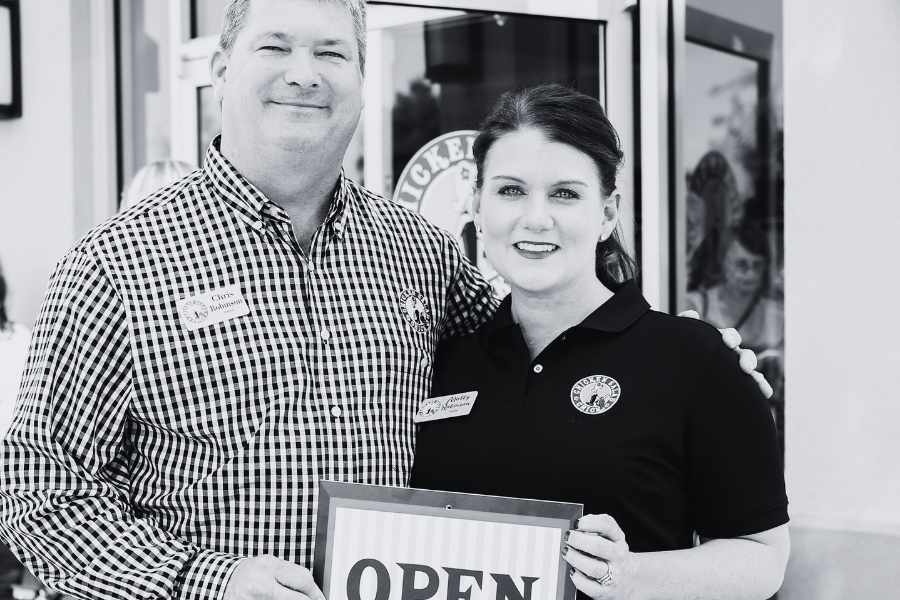
Founded in Auburn, Alabama, in 2008 by Stacy Brown, Chicken Salad Chick is known for scratch-made, Southern-style chicken salad in a variety of flavors, along with sandwiches, soups, and desserts. Its model blends dine-in, takeout, and off-premise sales, and the brand has been expanding well beyond its Southern roots.
Investment range: $744,500 – $990,500. Cash required: $250,000.
Learn more about the Chicken Salad Chick franchise opportunity.
Ready to Invest in a Sandwich Franchise?
Whether you choose Subway or another sandwich brand, there’s a lot to weigh before you invest. The time commitment, the capital required, and the realistic earnings of a restaurant owner all vary widely by concept, location, and how many units you operate.
Franchise Business Review surveyed over 11,000 franchisees representing more than 42,000 restaurant locations to identify the top food franchises. The 25 award-winning brands on the list are rated 5-10% higher in satisfaction overall than their competitors, making them a terrific place to start.
Compare franchise opportunities using FBR’s Top Food and Beverage Franchises list, and speak with current owners to get a firsthand sense of what it takes. Subway is a strong brand with a lot of history, but it’s worth making sure it’s the right fit for you.
See the full list of this year’s top 25 food franchises
For more guidance on comparing franchise opportunities, enroll in our free Franchise Academy. The Academy walks you through setting goals for business ownership, evaluating franchises, and comparing funding options.