
Key Takeaways:
- A pest control franchise gives you a proven service system, training, and a recognizable brand, which is an advantage that can shorten the learning curve considerably.
- Franchisee satisfaction is the most reliable way to compare brands. Franchise Business Review surveys thousands of owners across 33 benchmark questions covering leadership, training, and community to deliver unbiased, third-party ratings.
- The four brands below range from roughly $50,000 to $220,000 in total startup investment and cover traditional pest and termite control, mosquito and tick control, wildlife management, and all-natural deer and tick protection.
Homeowners deal with ants, mosquitoes, mice, and the occasional raccoon in the attic whether the economy is booming or not, and they tend to want help from someone they trust. If you’ve been looking for a service business with steady demand, a flexible setup, and room to grow, pest control deserves a closer look. Maybe you already work in the industry and want to build something of your own, or maybe you’re simply ready to trade the cubicle for a business you run on your terms.
There’s more than one way in. You can launch an independent pest control company from scratch, or you can buy a franchise and borrow a model that’s already working. Both paths have benefits and tradeoffs, and the right one depends on how much control you want and how much risk you’re comfortable carrying in the early years.
Weighing a franchise against starting from scratch? Here’s how the two compare.
Pros and Cons of Buying a Franchise vs. Starting Your Own Business
When you buy a franchise, you step into a system that already works. You get training in operations, sales, and marketing, a brand customers recognize, technology to run the business, and a network of fellow owners who have faced the questions you’re about to ask. For someone with no pest control background, that head start can shorten the learning curve considerably.
But buying a franchise also means you give up some control. You’re required to follow the franchisor’s established system rather than designing your own brand, pricing, and treatment programs. And, you’ll pay fees for the support, marketing, and ongoing development the franchisor provides. For many owners, that structure is the benefit, because it frees up time to focus on customers and growth, and it’s already proven to work.
If you value building everything your own way, starting your own may better suit you. Just remember that you’ll be finding your first customers, earning name recognition from scratch, and handling every piece of marketing and software yourself, so the road to profitability can take longer.
The Pros and Cons of Franchising: Is It Right For You?
Why Buy a Pest Control Franchise?
A Recession-resistant Business
Pests don’t take breaks. Homeowners and businesses call for help when they find a problem, and many sign up for recurring plans to keep problems from coming back. That combination of urgent need and repeat service can better weather the effects of an economic downturn.
Recurring Revenue Stream
Many pest control services are sold as ongoing programs, whether that’s seasonal home treatments, monthly mosquito control, or regular commercial visits. Recurring customers mean owners can spend less time chasing one-off jobs, and the same customer can often be offered additional services over time.
Technical Training
Pest control involves treatment products, safety protocols, and local regulations, which can feel intimidating to a newcomer. Pest control franchises provide initial and ongoing training so you can learn the technical side of the trade without figuring it all out yourself.
Is a Pest Control Franchise Right for You?
If you’re still weighing your options, a few questions can help you decide whether a pest control franchise is the right move:
- How much cash and total investment are you prepared to commit?
- Which services appeal to you most: general pest and termite control, mosquito and tick treatment, wildlife management, or all-natural solutions?
- Do you want to work in the field, or lead a team?
- Which brands have territories available where you live?
- What kind of training and ongoing support do you expect from a franchisor?
Not every franchise delivers the same level of support, and not every owner is equally happy with their franchisor. The strongest brands give you a proven system, thorough training, and a supportive community, and they’re rated highly by the people who actually run the business every day.
To help you get honest feedback from current owners, Franchise Business Review surveyed over 26,000 franchisees across 330 brands. Each participant answers 33 benchmark questions about their franchisor, covering areas like leadership, training, and core values, along with 16 additional questions about their business lifestyle and overall enjoyment of running their franchise.
Only brands rated above the industry benchmark for franchisee satisfaction appear on FBR’s awards lists, and many of them share their franchisee satisfaction survey results publicly. You can see the list of the top 200 franchises here. Click “Get Report” to download free satisfaction reports.
How to Choose a Pest Control Franchise
Once you’ve narrowed your list, it’s important to understand the financial, operational, and strategic factors involved in owning a franchise. Equally important is deciding whether the brand, culture, and lifestyle fit you. Start by asking each brand you’re considering:
- What do your most successful franchisees have in common?
- If I run into a problem as an owner, what process do we use to reach a fair solution?
- How is my territory defined, and how is it protected?
- What does training look like before I open, and what support continues afterward?
- Do you have a franchisee satisfaction report I can see?
Best Questions to Ask Franchisors Before Buying a Franchise
Top-Rated Pest Control Franchises
Each of the brands below has received above average owner satisfaction ratings. Put them on your shortlist when you’re researching pest control franchise opportunities.
1. Truly Nolen
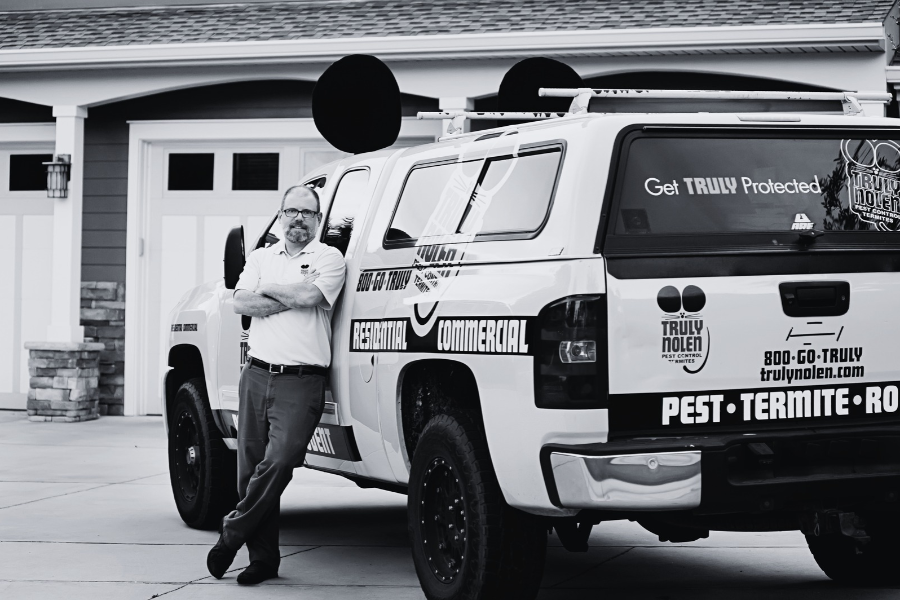
Truly Nolen began pest control operations in 1938 and has been franchising since 1996, now with 44 units. The brand is best known for its Mouse Car, a bright yellow vehicle design that doubles as a mobile billboard. They offer four-season residential pest control along with commercial pest control and termite programs. Additional services include mosquito, bed bug, rodent, and bird control.
Truly Nolen franchise owner James Bess, Jr., said he highly recommends the brand to others. “Truly Nolen’s ‘Franchise in a Box’, means that everything critical for a new owner to get their franchise up and running smoothly was provided at once, from the start,” said Bess. “Six months after opening, we were able to purchase the two franchises next to me, expanding my territory. In our first full year in business, we had almost 300% growth.” (Read more from James Bess, Jr.)
Minimum Cash Required: $50,000 | Total Startup Investment: $50,421 – $122,207
Learn more about owning a Truly Nolen franchise.
2. Mosquito Squad

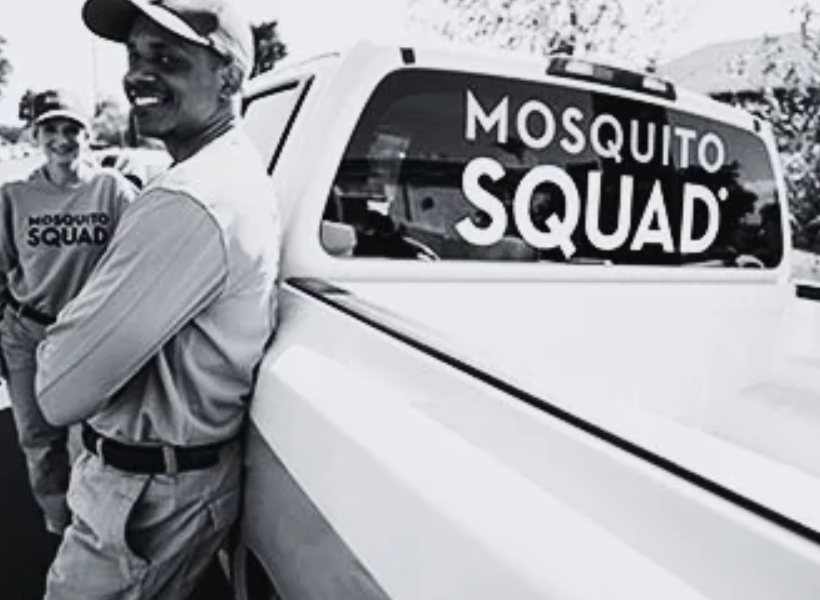
Mosquito Squad has been franchising since 2009 and has grown to 226 units. Owners build recurring revenue through mosquito control services and can add pest control packages to widen their offerings. No pest control experience is required, and new owners receive training and ongoing support from business coaches, plus a marketing plan and a CRM to track sales, customers, and appointments. Royalty fees are waived for the first 12 months, and veterans receive a 30% discount on the franchise fee.
Minimum Cash Required: $83,855 | Total Startup Investment: $162,380 – $220,375
Learn more about owning a Mosquito Squad franchise.
3. Critter Control

Critter Control is a wildlife management franchise. Rather than treating for insects, technicians handle nuisance wildlife such as squirrels, raccoons, bats, skunks, and birds using humane techniques, then follow up with exclusion and damage repair to keep animals from returning. The brand has been franchising since 1987 and now has 87 units serving residential, commercial, and municipal customers. Franchisees complete a week of initial training in Atlanta and have access to ongoing support, including proprietary internal communications networks and field service software to manage estimates, work orders, and customer feedback.
Min. Cash Required: $8,075 | Total Startup Investment: $63,525 – $169,525
Learn more about owning a Critter Control franchise.
4. ohDEER

ohDEER All Natural Pest Control specializes in tick, mosquito, and deer management using proprietary, plant-based treatments. Homeowners get a way to enjoy their yards while protecting pets, families, and the local ecosystem, and owners get a niche, service-based model with community education built into the brand’s mission. ohDeer currently has 14 locations, with opportunities available across the U.S.
Jeri Lucco, who owns an ohDeer franchise in Columbus, Ohio with her daughter, says, “The franchisee community is amazing—more tenured franchisees have such depth of experience and are always willing to help, and the newer franchisees have business experience that provides fresh perspectives. We learned to tweak industry and sales knowledge to make it our own.” (Read more from Jeri Lucco.)
Min. Cash Required: $75,000 | Total Startup Investment: $125,000 – $200,000
Learn more about owning an ohDEER franchise.
Ready to Buy a Pest Control Franchise?
A pest control franchise can put you in charge of your own schedule, serving a steady need, with a system that’s already been proven. The right brand depends on the investment you’re comfortable with, the services you want to offer, and how hands-on you want to be. Before you choose, review what current owners say about training, support, and community. They know better than anyone what the first year really looks like.
See all of the Top-Rated Home Services Franchises of 2026
For more guidance on researching franchises, join FBR’s Franchise Academy. This free online course walks you through setting goals for business ownership, evaluating franchises, and comparing funding options.